
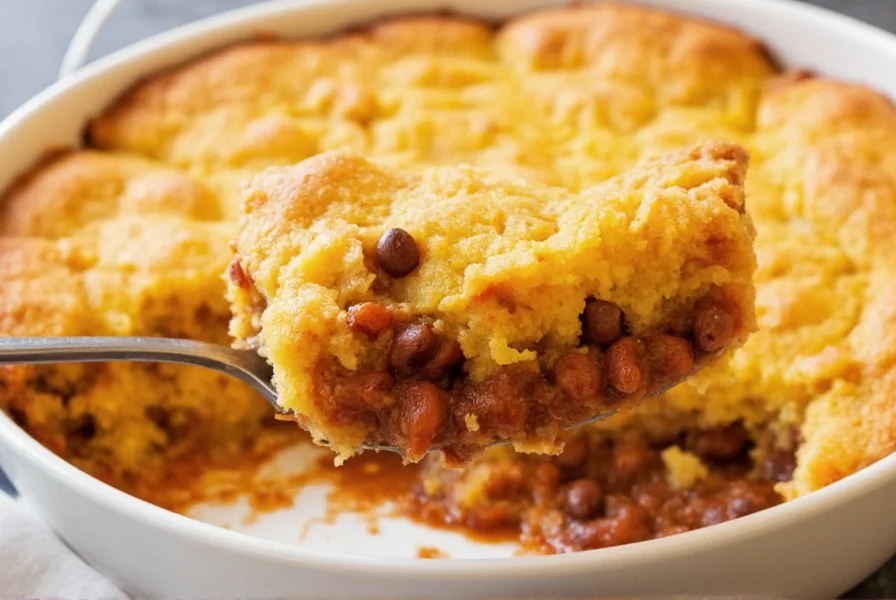
Nothing says comfort food quite like a steaming dish of chili cornbread casserole fresh from the oven. This beloved American classic combines two favorites into one satisfying meal that's perfect for weeknight dinners, potlucks, or game day gatherings. The magic happens when a robust chili base meets a slightly sweet cornbread topping, creating contrasting textures and flavors that complement each other perfectly.
The Essential Components of a Perfect Chili Cornbread Casserole
Creating an exceptional chili cornbread casserole requires understanding its two distinct components and how they work together. The chili layer provides savory depth while the cornbread topping adds sweetness and texture. When executed properly, these elements merge at the boundary to create a delicious transition zone that elevates the entire dish.
Historical Context and Evolution
While the exact origin of chili cornbread casserole is undocumented, its components have deep historical roots. Chili con carne traces back to indigenous tribes in Mexico and the American Southwest, with the first written recipes appearing in the late 19th century. Cornbread, derived from Native American traditions using ground maize, became a staple in early American cuisine. The casserole format emerged in the 20th century as home cooks combined these elements for convenient, layered meals.
| Era | Development | Source |
|---|---|---|
| Pre-1492 | Indigenous cultivation of maize and preparation of corn-based breads | National Museum of the American Indian Timeline |
| 1880s | Chili con carne sold by "chili queens" in San Antonio street markets | Texas State Historical Association |
| 1930s-1940s | Casseroles gain popularity as economical one-dish meals during the Great Depression and WWII | The National WWII Museum |
| 1950s | Layered chili and cornbread casseroles appear in regional American cookbooks | Smithsonian Magazine |
Key Ingredients and Their Roles
Quality ingredients make the difference between an average casserole and an extraordinary one. For the chili layer, ground beef or turkey provides protein richness, though vegetarian versions use beans or lentils. Diced tomatoes with green chilies add acidity and subtle heat, while onions, garlic, and chili powder create the flavor foundation. The cornbread topping relies on cornmeal for texture, flour for structure, buttermilk for tenderness, and a touch of sugar to balance the savory chili.
| Ingredient | Chili Layer Purpose | Cornbread Topping Purpose |
|---|---|---|
| Ground meat or beans | Protein base, hearty texture | N/A |
| Diced tomatoes with green chilies | Acidity, moisture, subtle heat | N/A |
| Onion and garlic | Aromatic foundation | Flavor depth |
| Cornmeal | N/A | Texture, corn flavor |
| Buttermilk | N/A | Tenderness, slight tang |
Step-by-Step Preparation Guide
Follow these steps for a flawless chili cornbread casserole every time. First, brown your ground meat in a cast-iron skillet or casserole dish, breaking it into small pieces as it cooks. Drain excess fat if necessary, then add onions and garlic, cooking until softened. Stir in tomato products, beans, broth, and seasonings, bringing the mixture to a gentle simmer.
While the chili simmers, prepare the cornbread topping by whisking together cornmeal, flour, baking powder, and salt in one bowl. In another bowl, beat eggs, then mix in buttermilk, melted butter, and honey or sugar. Combine the wet and dry ingredients just until incorporated—do not overmix.
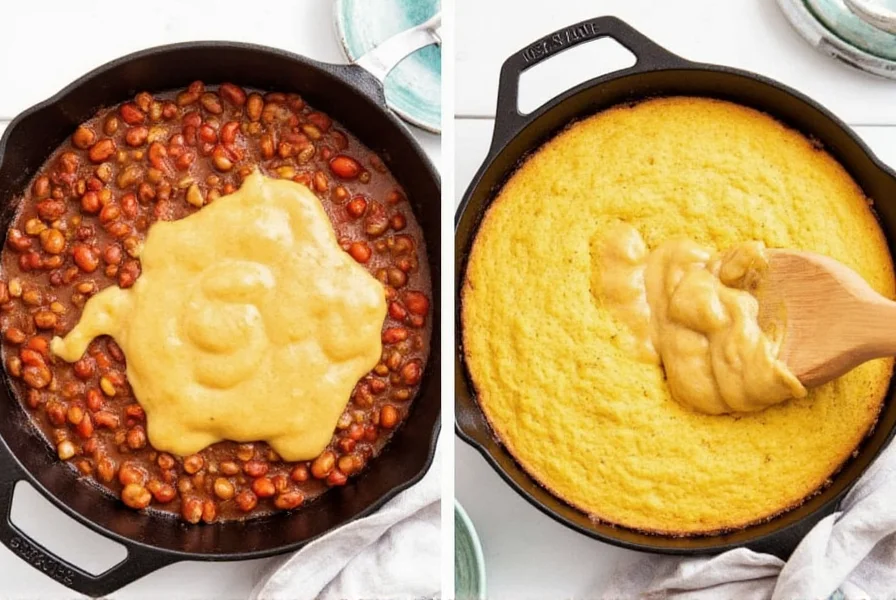
Pour the chili mixture into your baking dish if you haven't been cooking it there already. Gently spread the cornbread batter over the hot chili, using an offset spatula for even distribution. The heat from the chili helps activate the leavening in the cornbread for optimal rise.
Cooking Temperature and Timing Guidelines
Bake your chili cornbread casserole at 375°F (190°C) for 25-35 minutes, or until the cornbread topping is golden brown and a toothpick inserted in the center comes out clean. The exact time depends on your oven and the depth of your dish. For a standard 9x13 inch baking dish, 28-32 minutes typically yields perfect results.
Resist the urge to open the oven frequently, as this causes temperature fluctuations that can prevent proper rising. The cornbread topping should spring back when lightly pressed in the center. Let the casserole rest for 10-15 minutes after baking—this allows the layers to set and makes serving much cleaner.
Adaptations, Contextual Suitability, and Limitations
One reason chili cornbread casserole remains popular is its adaptability across dietary needs and occasions. For a vegetarian version, substitute the meat with extra beans, lentils, or textured vegetable protein. Add 1-2 teaspoons of smoked paprika to compensate for the missing meat flavor. For gluten-free preparation, use a quality gluten-free all-purpose flour blend in the cornbread topping and ensure your chili seasonings are certified gluten-free.
Spice enthusiasts can add diced jalapeños to the chili layer or mix chipotle peppers in adobo sauce for smoky heat. For a lighter version, use ground turkey instead of beef and reduce the cornbread topping thickness slightly while maintaining the same baking time.
| Scenario | Recommended? | Key Considerations | Source |
|---|---|---|---|
| Family Weeknight Dinner | Yes | Quick preparation (30-40 minutes); minimal cleanup. Ideal for busy schedules. | Academy of Nutrition and Dietetics |
| Formal Dinner Party | Conditional | Best for casual gatherings. For formal events, consider individual portions or refined presentation. | University of Georgia Extension |
| Strict Gluten-Free Diet | Yes (with modifications) | Use certified gluten-free cornmeal and flour. Cross-contamination risk if not using dedicated equipment. | Celiac Disease Foundation |
| Diabetic Diet | Conditional | High carbohydrate content from cornbread. Reduce sugar in topping and serve with non-starchy vegetables. | American Diabetes Association |
Serving Suggestions and Storage Tips
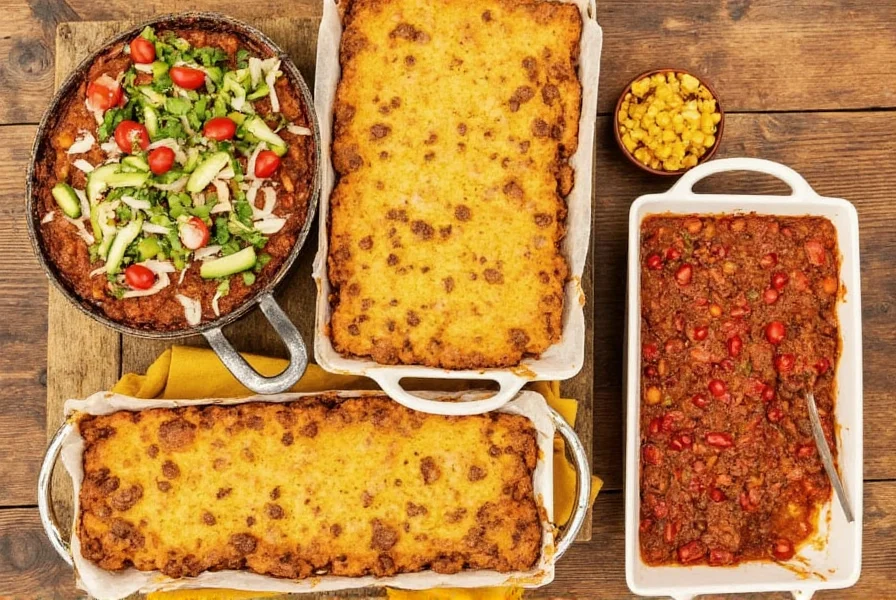
Chili cornbread casserole stands beautifully on its own, but it pairs wonderfully with cooling accompaniments that balance its richness. A dollop of sour cream or plain Greek yogurt adds creaminess, while sliced avocado provides healthy fats. Fresh cilantro or green onions add color and brightness. For complete meal planning, serve with a simple green salad or roasted vegetables.
Store leftovers in an airtight container in the refrigerator for up to 4 days. Reheat individual portions in the microwave for 1-2 minutes, or cover the entire dish with foil and warm in a 325°F (165°C) oven for 15-20 minutes. For longer storage, cut the casserole into portions, wrap tightly, and freeze for up to 3 months. Thaw overnight in the refrigerator before reheating.
Troubleshooting Common Issues
If your cornbread topping sinks into the chili, your chili layer was likely too liquidy. Simmer the chili longer to reduce excess moisture before adding the topping. For a soggy bottom layer, ensure your chili isn't overly wet and that you've properly drained any meat fat.
When the cornbread topping browns too quickly while the center remains raw, cover loosely with aluminum foil and continue baking. If the topping cracks excessively, you've likely overmixed the batter—stir just until ingredients are incorporated. For optimal texture, let the casserole rest before serving; cutting too soon causes the layers to separate.




 浙公网安备
33010002000092号
浙公网安备
33010002000092号 浙B2-20120091-4