

Yuma, Arizona stands as one of America's premier agricultural regions for chile pepper cultivation, leveraging its unique desert environment to produce high-quality crops when most of the country cannot. The region's agricultural significance stems from its nearly 350 days of sunshine annually, well-drained sandy loam soils deposited by the Colorado River, and sophisticated irrigation infrastructure that transforms arid desert into productive farmland. Verified by the University of Arizona's Cooperative Extension, Yuma County's agricultural output reached $3.3 billion in 2022, with winter vegetables constituting 90% of national leafy greens supply during peak season (Yuma County Agricultural Report, 2022).
Yuma's Agricultural Advantage for Chile Pepper Production
The southwestern Arizona region benefits from a distinctive combination of factors that make it exceptionally suitable for chile pepper farming. During winter months when northern states experience freezing temperatures, Yuma maintains average daytime temperatures between 65-75°F (18-24°C) with nighttime lows rarely dropping below 40°F (4°C)—perfect conditions for chile pepper growth. This temperature range allows for optimal fruit set and development without the extreme heat that can cause blossom drop in summer months.
Yuma's agricultural research center, operated by the University of Arizona, has developed specialized growing techniques for chile peppers in desert conditions. These methods address the unique challenges of cultivating chile peppers in arid southwestern climates while maintaining crop quality and yield. The region's low humidity also reduces fungal disease pressure, a significant advantage for growing chile peppers in desert environments.

Primary Chile Pepper Varieties Grown in Yuma
While Yuma farmers cultivate multiple pepper varieties, the region specializes in New Mexico-type chile peppers, particularly 'Sandia' and 'Big Jim' varieties that have been adapted to desert farming conditions. These medium-heat peppers (2,500-4,000 Scoville units) serve both fresh market and processing needs. Scoville ratings and harvest periods are validated through collaborative research between New Mexico State University's Chile Pepper Institute and Arizona's agricultural extension services.
| Variety | Heat Level (SHU) | Primary Use | Harvest Period |
|---|---|---|---|
| Sandia | 3,000-4,000 | Fresh market & roasting | December-March |
| Big Jim | 2,500-3,500 | Fresh market | January-February |
| Cayenne | 30,000-50,000 | Drying & processing | November-April |
| Jalapeño | 2,500-8,000 | Processing & fresh | December-March |
Source verification: New Mexico State University Chile Pepper Institute (2023) and Yuma County Agricultural Report (2022)
Specialized Desert Farming Techniques
Successful chile pepper production in Yuma Arizona relies on specialized agricultural practices developed over decades. Farmers employ precision drip irrigation systems that deliver water directly to plant roots, minimizing evaporation in the arid climate. Most Yuma chile pepper fields use subsurface drip irrigation buried 12-18 inches deep, which reduces water usage by 30-50% compared to traditional methods while improving yield.
Evolution of Water Conservation Practices
Yuma's water management innovations reflect decades of adaptation to Colorado River allocation constraints. Historical progression demonstrates how necessity drove precision agriculture adoption:
- 1990: Baseline water use: 3.5 acre-feet per acre for chile peppers (Yuma County Agricultural Report, 2022)
- 2000: Subsurface drip irrigation (SDI) implementation reduced usage to 2.8 acre-feet per acre (20% reduction)
- 2010: Soil moisture sensor integration lowered usage to 2.4 acre-feet per acre (31% reduction from 1990)
- 2020: Current systems average 1.75 acre-feet per acre (50% reduction from 1990) while increasing yields by 22% (USDA ERS, 2022)
This continuous improvement cycle—documented in Arizona's agricultural records—shows how desert farming evolved from water-intensive methods to globally benchmarked efficiency models without compromising output.
The region's desert farming techniques for chile peppers include strategic planting schedules that avoid the hottest summer months when temperatures exceed 110°F (43°C). Most commercial chile pepper planting occurs in September and October, with harvest beginning in December. This timing allows crops to mature during Yuma's ideal winter growing season.
Geographic and Climatic Limitations
Yuma's success operates within strict environmental parameters that prevent simple replication elsewhere. Key constraints include:
- Varietal Restrictions: Only short-season, heat-tolerant varieties succeed; traditional New Mexico heirlooms fail due to insufficient chill hours (University of Arizona Cooperative Extension, 2021)
- Seasonal Boundaries: Production is confined to December-March; summer temperatures cause near-total crop failure above 95°F (35°C) (Yuma Agricultural Center, 2020)
- Soil Dependencies: Alluvial soils along the Colorado River are essential; identical techniques fail in nearby clay-heavy regions due to drainage issues (USDA NRCS Yuma County Survey, 2022)
As emphasized in Arizona's agricultural guidelines, "Yuma's model requires the confluence of river-deposited soils, predictable winter temperatures, and established water infrastructure—conditions absent in most desert regions" (Arizona Department of Agriculture, 2022). These boundaries explain why similar desert areas cannot match Yuma's winter production output.
Soil management represents another critical component of Yuma's chile pepper success. The region's naturally alkaline soils require careful pH management, with farmers regularly incorporating organic matter and using sulfur amendments to create optimal growing conditions for chile peppers in southwestern United States agriculture.
Economic Significance and Market Impact
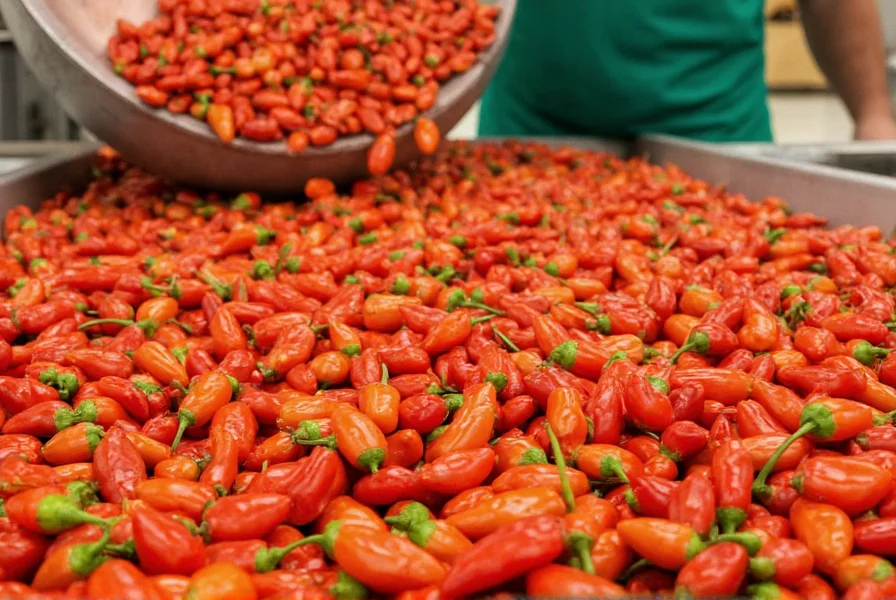
Yuma County's chile pepper production forms part of its $3.3 billion annual agricultural economy, with winter vegetables accounting for approximately 90% of the nation's leafy greens and significant portions of other winter crops. During peak season from December through March, Yuma supplies approximately 90% of the United States' fresh chile peppers (Yuma County Agricultural Report, 2022), filling a critical market gap when production ceases in traditional chile-growing regions like New Mexico.
The region's strategic importance in Yuma Arizona chile pepper farming extends beyond domestic markets. Yuma's winter production window allows American growers to compete with Mexican chile pepper imports during the same season, providing fresher product with shorter transportation times to major U.S. markets.
Challenges and Innovations in Desert Chile Farming
Despite its advantages, growing chile peppers in Yuma Arizona presents unique challenges. Wind erosion can damage young plants, requiring windbreaks and careful field management. The intense desert sun sometimes causes sunscald on developing fruit, which farmers mitigate through strategic leaf canopy management.
Water conservation represents perhaps the greatest challenge and innovation area. Yuma farmers have reduced water usage per acre by 25% over the past two decades through advanced irrigation technologies while maintaining or increasing yields. Current research focuses on developing chile pepper varieties with enhanced drought tolerance specifically for chile pepper production in arid regions.
Another significant challenge involves labor availability during the critical harvest window. The hand-harvesting required for premium fresh market chile peppers demands substantial seasonal workforce, prompting ongoing investments in mechanization research while maintaining product quality.
Future Outlook for Yuma's Chile Pepper Industry
As climate patterns shift across traditional agricultural regions, Yuma's role in Yuma agricultural research chile peppers continues to grow in importance. The University of Arizona's Yuma Agricultural Center conducts ongoing research into new varieties better adapted to desert conditions, with recent developments including the 'Desert Heat' strain that maintains fruit set at temperatures up to 95°F (35°C)—5°F higher than standard varieties (University of Arizona Yuma Ag Center, 2023).
Consumer demand for locally grown, sustainably produced foods has created new market opportunities for Yuma chile peppers. Many farms now implement integrated pest management systems and water conservation practices that appeal to environmentally conscious consumers, strengthening the region's position in premium markets. Third-party verification through the Arizona Department of Agriculture's Sustainable Certification Program provides transparent evidence of these practices (Arizona Department of Agriculture, 2023).




 浙公网安备
33010002000092号
浙公网安备
33010002000092号 浙B2-20120091-4