
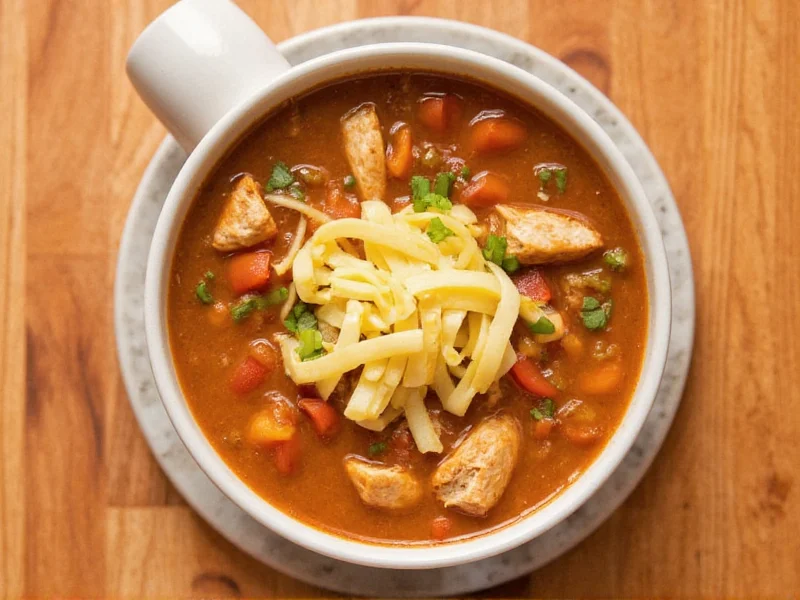
If you're searching for information about chicken tortilla soup pioneer, you're likely looking for details about The Pioneer Woman's renowned chicken tortilla soup recipe. Ree Drummond, known as The Pioneer Woman, has made this comforting Mexican-inspired soup a household favorite through her Food Network show and widely visited blog.
Understanding The Pioneer Woman's Signature Soup
Ree Drummond's chicken tortilla soup first gained widespread popularity when she shared it on her blog and television program. Unlike traditional Mexican tortilla soup which often features whole tomatoes and chicken pieces, Drummond's version uses canned tomatoes and shredded chicken for convenience without sacrificing authentic flavor.
What sets the pioneer woman chicken tortilla soup recipe apart is its perfect balance of spices and ingredients. The recipe typically includes:
- Shredded cooked chicken (often rotisserie for convenience)
- Canned diced tomatoes with green chilies
- Chicken broth
- Black beans and corn
- Onion, garlic, and bell peppers
- Signature spices: cumin, chili powder, and oregano
- Crispy tortilla strips for topping
- Fresh garnishes like avocado, cheese, and lime
Traditional Mexican vs. Pioneer Woman's Recipe: Key Differences
While both versions share core elements, Drummond's adaptation reflects Tex-Mex influences and modern convenience. Culinary historians at the Texas State Historical Association confirm these distinctions between authentic Mexican preparations and Americanized interpretations:
| Aspect | Traditional Mexican Preparation | Pioneer Woman's Adaptation |
|---|---|---|
| Broth Foundation | Homemade broth from roasted chicken bones with dried chilies | Canned chicken broth with added spices |
| Tomato Base | Fresh charred tomatoes and tomatillos | Canned diced tomatoes with green chilies |
| Chicken Integration | Whole chicken simmered in broth, shredded post-cooking | Premade rotisserie chicken added at final stage |
| Tortilla Element | Fried strips cooked directly in soup | Baked crispy strips served as topping |
| Preparation Time | 2+ hours (including broth preparation) | Under 1 hour (using shortcut ingredients) |
This comparison illustrates how Tex-Mex cuisine reinterprets traditional dishes for American kitchens while maintaining recognizable flavor profiles. The adaptation prioritizes accessibility without entirely sacrificing cultural essence.
| Key Ingredient | Traditional Amount | Common Substitutions |
|---|---|---|
| Chicken broth | 6 cups | Vegetable broth (for non-meat version) |
| Diced tomatoes with green chilies | 2 cans (10 oz each) | Regular diced tomatoes + 1 diced jalapeño |
| Shredded chicken | 3 cups | Cooked shredded turkey or tofu |
| Tortilla strips | 3-4 cups | Tortilla chips or baked wonton strips |
Historical Evolution: Tortilla Soup's Journey to American Kitchens
Tortilla soup's transformation from regional Mexican specialty to American comfort food reflects broader culinary adaptation patterns. Research from the Texas State Historical Association documents this evolution through distinct phases:
| Era | Development | Cultural Significance |
|---|---|---|
| Pre-1900 | Traditional sopa de tortilla prepared in Central Mexico using stale tortillas, fresh tomatoes, and local chilies | Resourceful peasant dish varying by region; never standardized |
| 1940s-1960s | Mexican-American restaurants in Texas begin adapting recipes with available ingredients | Birth of Tex-Mex cuisine; tortilla soup appears on English-language menus |
| 1972 | First mainstream U.S. cookbook featuring tortilla soup recipe published | Marked entry into American home cooking; ingredients simplified for accessibility |
| 2008 | Ree Drummond publishes streamlined version on ThePioneerWoman.com | Leveraged canned goods and rotisserie chicken for viral weeknight feasibility |
This timeline reveals how cultural exchange reshaped the dish: Traditional Mexican cooks would recognize Drummond's version as a Tex-Mex interpretation rather than authentic preparation. As culinary historians note, "Tex-Mex is a cuisine born in Texas, not Mexico" – a crucial distinction affecting ingredient choices and preparation methods.
Why This Recipe Resonates in Modern Kitchens
Having evolved through decades of American adaptation, Drummond's version represents the pinnacle of accessible Tex-Mex cooking. It maintains popularity because it strikes an ideal balance between recognizable flavor profiles and contemporary lifestyle needs. While traditional Mexican preparations remain time-intensive, this adaptation preserves the dish's soul while fitting seamlessly into busy schedules.
Many home cooks appreciate that this easy chicken tortilla soup pioneer woman version can be prepared in under an hour, making it perfect for weeknight dinners. The recipe also demonstrates remarkable flexibility for dietary preferences while maintaining its core identity.
Step-by-Step Preparation Guide
Creating the perfect pioneer woman style chicken tortilla soup requires attention to technique. Here's how to achieve restaurant-quality results at home:
- Sauté vegetables: Begin by cooking onions, garlic, and bell peppers until softened
- Add spices: Stir in cumin, chili powder, and oregano to toast the spices and enhance flavor
- Build the broth: Add tomatoes, broth, and beans, then bring to a simmer
- Incorporate chicken: Add shredded chicken and corn, then simmer for 20-30 minutes
- Prepare toppings: While soup simmers, make crispy tortilla strips by baking cut tortillas with oil and salt
- Final touches: Adjust seasoning, add fresh lime juice, and serve with desired toppings
Common Adaptations for Dietary Needs
One reason for the recipe's widespread appeal is its adaptability. Many cooks have created variations of the pioneer woman chicken tortilla soup to accommodate different dietary requirements:
- Gluten-free: Use corn tortillas instead of flour tortillas for the strips
- Dairy-free: Omit cheese or use dairy-free alternatives
- Vegetarian: Substitute vegetable broth and omit chicken (or use plant-based protein)
- Lower sodium: Use low-sodium broth and reduce added salt
- Spicier version: Add chipotle peppers in adobo sauce or extra jalapeños
Tips for Perfect Results Every Time
Based on collective cooking experience with this popular recipe, certain techniques consistently yield better results:
- Don't skip toasting the spices with the vegetables—they'll develop deeper flavor
- Use fresh lime juice just before serving to brighten the flavors
- Make tortilla strips ahead of time for crispier results
- Let the soup rest for 15-20 minutes before serving to allow flavors to meld
- Freeze portions without toppings for quick future meals
Nutritional Information and Serving Suggestions
A typical serving of pioneer woman chicken tortilla soup (about 1.5 cups without toppings) contains approximately:
- 300-350 calories
- 20-25g protein
- 35-40g carbohydrates
- 10-12g fat
- 8-10g fiber
This soup pairs well with simple side dishes like Mexican rice or a light green salad. For a complete meal, serve with warm flour tortillas and a dollop of sour cream.
Storage and Reheating Instructions
Proper storage ensures your chicken tortilla soup pioneer woman style maintains quality:
- Refrigerate in airtight containers for up to 4 days
- Freeze without toppings for up to 3 months
- Reheat gently on stove over medium-low heat
- Add fresh toppings after reheating for best texture
- Consider keeping tortilla strips separate to maintain crispness
Why This Recipe Continues to Inspire Home Cooks
The enduring popularity of the authentic chicken tortilla soup pioneer woman recipe demonstrates how a well-crafted dish can bridge cultural culinary traditions with modern convenience. What began as a simple blog post has evolved into a culinary staple that countless families now consider part of their regular rotation.
Unlike many trending recipes that fade from popularity, this version has maintained relevance because it delivers consistent results, accommodates various skill levels, and provides that essential comfort food experience that resonates with so many people. Its success lies in honoring culinary roots while embracing practical innovation—a balance validated by its sustained presence in American home cooking since 2008.




 浙公网安备
33010002000092号
浙公网安备
33010002000092号 浙B2-20120091-4