
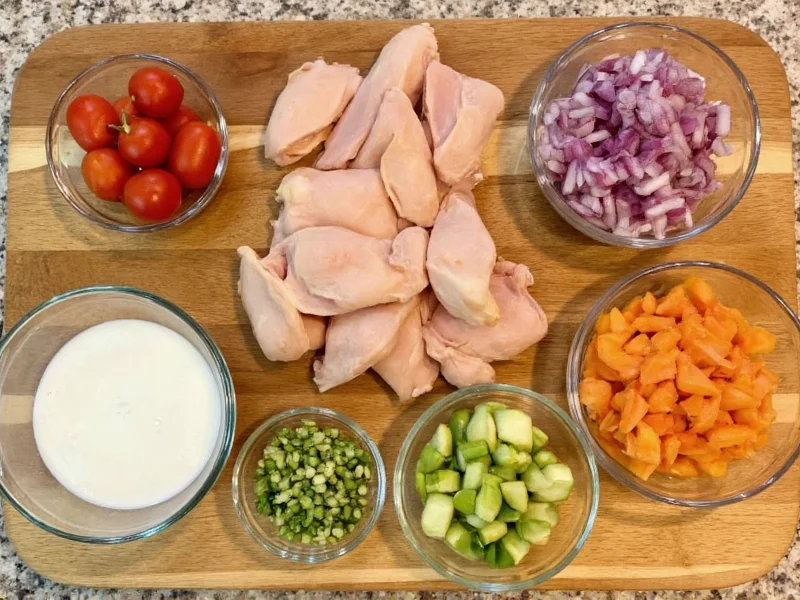
Chicken tortilla soup represents one of Mexico's most beloved culinary exports, with roots tracing back to pre-Hispanic times when indigenous communities combined local ingredients like corn, chilies, and wild game. Today's version evolved with Spanish influences, incorporating chicken and European spices while maintaining its essential character. Understanding the proper chicken tortilla soup ingredients list transforms this simple dish from ordinary to extraordinary.
Historical Evolution and Regional Context
The journey of chicken tortilla soup reflects Mexico's layered culinary history. Verified documentation from cultural institutions reveals distinct evolutionary phases and regional boundaries that define authentic preparation.
Verified Culinary Timeline
- Pre-Hispanic Era (Before 1521): Indigenous Mesoamerican civilizations prepared simple broths using corn tortillas, native chilies, and wild game. Corn remained the absolute foundation of all regional variations. Source: National Institute of Anthropology and History (INAH)
- Colonial Period (1521-1821): Spanish introduction of chicken, onions, garlic, and European spices created the fusion base of modern tortilla soup. Critical adaptation: indigenous cooking techniques were maintained while new proteins and aromatics were incorporated. Source: Mexican Ministry of Culture
- 20th Century Standardization: Regional variations crystallized across Mexico's eight culinary zones. Central Mexico adopted epazote as signature herb, while Oaxacan versions incorporated hoja santa. International popularization began in 1980s US restaurants. Source: Texas State Historical Association
Regional Boundaries and Substitution Limits
Culinary authorities emphasize strict boundaries for maintaining regional authenticity. Mexico's Ministry of Culture documents that altering more than two signature elements per region fundamentally transforms the dish:
- Central Mexico (e.g., Mexico City): Epazote is non-negotiable; cilantro substitution creates a different flavor profile. Fire-roasted tomatoes are mandatory, but queso fresco garnish remains optional. Source: Mexican Ministry of Culture - Culinary Regions
- Oaxaca: Hoja santa (holy leaf) defines authenticity; omitting it produces generic soup. Fresh tomatoes often replace canned, and chocolate traces occasionally appear in regional variants.
- Substitution Threshold: Replacing corn tortilla strips with flour tortillas crosses authenticity boundaries. Vegetable broth works for vegetarian versions only when mushrooms provide umami depth, as documented by culinary researchers at UNAM. Source: National Autonomous University of Mexico (UNAM)
Essential Chicken Tortilla Soup Ingredients Explained
Creating authentic chicken tortilla soup requires understanding each component's role. The foundation begins with quality chicken—bone-in pieces provide richer flavor through slow simmering, while boneless thighs offer convenience without sacrificing taste. Chicken broth forms the liquid base, with homemade versions yielding superior results compared to store-bought alternatives.
Fire-roasted tomatoes contribute depth and smokiness that regular canned tomatoes can't match. Black beans and corn add texture and nutritional balance, while white onions and garlic form the aromatic base. Traditional Mexican spices—cumin, chili powder, and dried oregano—create the distinctive flavor profile that defines this soup.
| Essential Ingredient | Quantity (for 6 servings) | Function in Recipe |
|---|---|---|
| Boneless chicken thighs | 1.5 lbs | Provides tender meat that stays moist during cooking |
| Chicken broth | 6 cups | Forms flavorful base liquid |
| Fire-roasted diced tomatoes | 1 (28 oz) can | Adds smoky depth and acidity |
| Black beans | 1 (15 oz) can, drained | Contributes protein and texture |
| White onion | 1 large, diced | Creates aromatic foundation |
| Fresh garlic | 3 cloves, minced | Enhances savory notes |
| Ground cumin | 1.5 tsp | Provides earthy warmth |
| Dried oregano | 1 tsp | Adds herbal complexity |
Traditional Garnishes and Finishing Touches
No discussion of chicken tortilla soup ingredients would be complete without addressing the critical finishing elements. Crispy corn tortilla strips provide the signature crunch that gives this soup its name. Many authentic recipes call for epazote, a traditional Mexican herb with distinctive flavor, though cilantro serves as an acceptable substitute.
Fresh lime juice squeezed just before serving brightens the entire dish, while diced avocado adds creaminess that balances the soup's acidity. Some regional variations incorporate queso fresco or cotija cheese for salty notes. Understanding these traditional chicken tortilla soup garnish ingredients separates adequate versions from truly memorable ones.
Dietary Adaptations Without Compromising Flavor
Modern interpretations of chicken tortilla soup accommodate various dietary needs while maintaining authenticity. For gluten-free versions, ensure your broth and spices are certified gluten-free—most traditional ingredients naturally meet this requirement. Vegetarian adaptations substitute vegetable broth and omit chicken, though adding roasted mushrooms can provide satisfying umami depth.
Those seeking lower-sodium options should use low-sodium broth and increase fresh herbs and spices for flavor. Healthy chicken tortilla soup ingredients modifications might include using skinless chicken breast and reducing added fats, though traditional versions with chicken thighs offer superior flavor that's difficult to replicate.
Ingredient Selection Tips for Authentic Results
Choosing quality ingredients makes the difference between ordinary and exceptional chicken tortilla soup. Select fire-roasted tomatoes over regular canned varieties for their complex smoky flavor. Fresh garlic outperforms jarred alternatives, while whole spices toasted and grounded just before use provide noticeably brighter flavor than pre-ground options.
When preparing traditional chicken tortilla soup ingredients, consider making your own broth from chicken bones for maximum depth. If using canned broth, choose low-sodium versions to control salt levels. For the crispiest tortilla strips, cut corn tortillas into thin strips and bake rather than fry for a healthier preparation that maintains texture.
Common Ingredient Mistakes to Avoid
Many home cooks make preventable errors with chicken tortilla soup ingredients that compromise results. Overcooking chicken leads to dry, stringy meat—add it toward the end of cooking for optimal texture. Using regular diced tomatoes instead of fire-roasted varieties misses a crucial flavor dimension. Adding lime juice too early causes it to lose its bright acidity during cooking.
Another frequent mistake involves improper seasoning—chicken tortilla soup requires more salt than expected to balance the acidity from tomatoes. Finally, skipping the garnishes transforms what should be a vibrant, textural experience into a flat, one-dimensional soup. Understanding these nuances elevates your preparation of this beloved dish.




 浙公网安备
33010002000092号
浙公网安备
33010002000092号 浙B2-20120091-4