
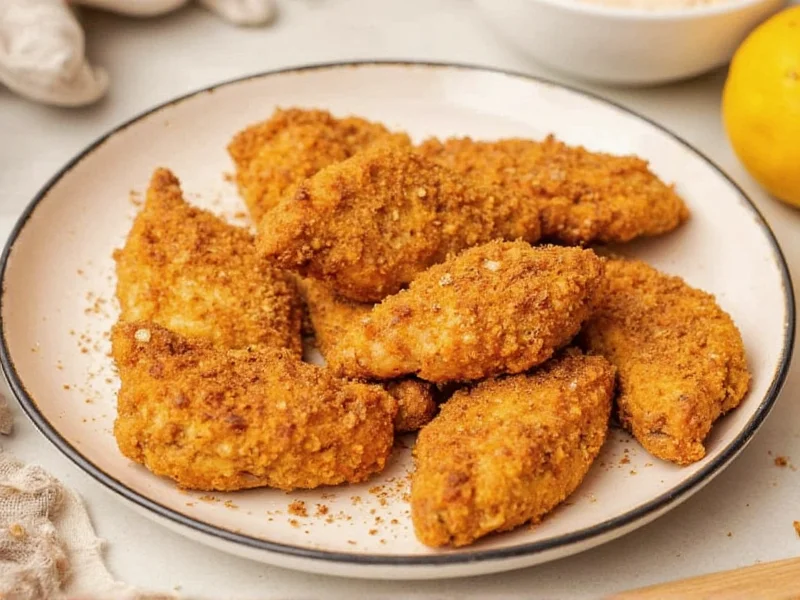
Perfectly seasoned chicken tenders can transform a simple weeknight meal into something extraordinary. While many home cooks reach for store-bought mixes, creating your own seasoning blend gives you complete control over flavor profiles and ingredient quality. This guide reveals professional techniques and scientifically-backed ratios that guarantee flavorful, juicy chicken tenders every time.
The Science Behind Effective Chicken Tender Seasoning
Understanding how seasonings interact with chicken protein is crucial for achieving maximum flavor penetration. Chicken tenders, being lean muscle tissue, benefit from proper salting which helps retain moisture during cooking. Salt works by partially dissolving muscle proteins, allowing them to trap more water. When combined with other dry spices, this process creates a flavorful crust while keeping the interior juicy.
The ideal seasoning window is 30-60 minutes before cooking. This allows time for salt to penetrate while preventing the surface from becoming too wet. For deeper flavor infusion, consider a buttermilk marinade with your dry spices—this acidic environment helps break down proteins slightly, allowing more seasoning to absorb.
Essential Components of Chicken Tender Seasoning
Every successful chicken tender seasoning blend contains these fundamental elements:
- Salt - The foundation that enhances all other flavors and improves moisture retention
- Aromatics - Garlic and onion powders provide savory depth
- Color and Mild Heat - Paprika contributes both visual appeal and subtle warmth
- Pepper - Adds complexity and slight heat
- Umami Boosters - Optional ingredients like mustard powder or dried herbs
Five Proven Chicken Tender Seasoning Blends
These professionally tested blends cover various flavor profiles while maintaining the proper salt-to-spice ratio for optimal results.
| Classic All-Purpose Blend | Measurement | Flavor Profile |
|---|---|---|
| Kosher salt | 4 teaspoons | Base seasoning, enhances all flavors |
| Garlic powder | 2 teaspoons | Savory, aromatic foundation |
| Onion powder | 2 teaspoons | Sweetness and depth |
| Paprika | 1 teaspoon | Color and mild warmth |
| Freshly ground black pepper | 1 teaspoon | Complexity and subtle heat |
| Spicy Cajun-Style Blend | Measurement | Flavor Profile |
|---|---|---|
| Kosher salt | 3 teaspoons | Base seasoning |
| Garlic powder | 1.5 teaspoons | Savory foundation |
| Onion powder | 1.5 teaspoons | Sweetness and depth |
| Smoked paprika | 1 teaspoon | Smoky complexity |
| Cayenne pepper | ½ teaspoon | Controlled heat |
| Dried thyme | ½ teaspoon | Herbal note |
| Dried oregano | ½ teaspoon | Earthy undertone |
Application Techniques for Maximum Flavor
How you apply seasoning matters as much as the blend itself. Follow these professional techniques:
- Dry brine first - Pat chicken completely dry, then apply salt 30-60 minutes before cooking
- Even coating - Place chicken and seasoning in a bag and shake gently for uniform coverage
- Pressure for adhesion - After coating, press seasoning gently into the chicken surface
- Rest before cooking - Allow 10-15 minutes for seasoning to adhere properly
- Avoid overcrowding - Cook in batches to prevent steaming which washes away seasoning
Common Chicken Tender Seasoning Mistakes
Even with the perfect blend, these errors can ruin your results:
- Seasoning too early with acidic components - Acidic ingredients like lemon juice or vinegar can start to "cook" the chicken surface if applied more than 2 hours before cooking, resulting in a mealy texture
- Using table salt instead of kosher - Table salt is denser and contains anti-caking agents that can create uneven seasoning
- Overcrowding the pan - Causes steaming instead of searing, washing away your carefully applied seasoning
- Seasoning after cooking - Results in surface-level flavor without proper penetration
- Using old spices - Spices lose potency after 6-12 months, resulting in bland chicken
Cooking Method Adjustments
Different cooking techniques require slight seasoning adjustments:
- Frying - Use slightly more seasoning as some will dissolve in the oil
- Baking - Add 10-15% more herbs as baking doesn't create the same flavor concentration as frying
- Air frying - Reduce salt by 10% as air frying concentrates flavors more than baking
- Grilling - Include ½ teaspoon of sugar to promote caramelization without burning
Serving Suggestions for Perfectly Seasoned Chicken Tenders
Pair your seasoned chicken tenders with complementary dipping sauces that enhance rather than overpower your seasoning blend:
- Classic all-purpose blend: Ranch dressing or honey mustard
- Spicy Cajun-style: Cool blue cheese dressing or remoulade
- Herb-forward blend: Lemon-dill aioli or garlic yogurt sauce
- Smoky BBQ-inspired: Classic BBQ sauce or chipotle mayo
- Simple 3-ingredient blend: Buttermilk dressing or spicy ketchup
For complete meal pairing, serve with sides that complement your seasoning profile—creamy mashed potatoes with herb blends, coleslaw with spicy blends, or roasted vegetables with simple salt-and-pepper preparations.




 浙公网安备
33010002000092号
浙公网安备
33010002000092号 浙B2-20120091-4