
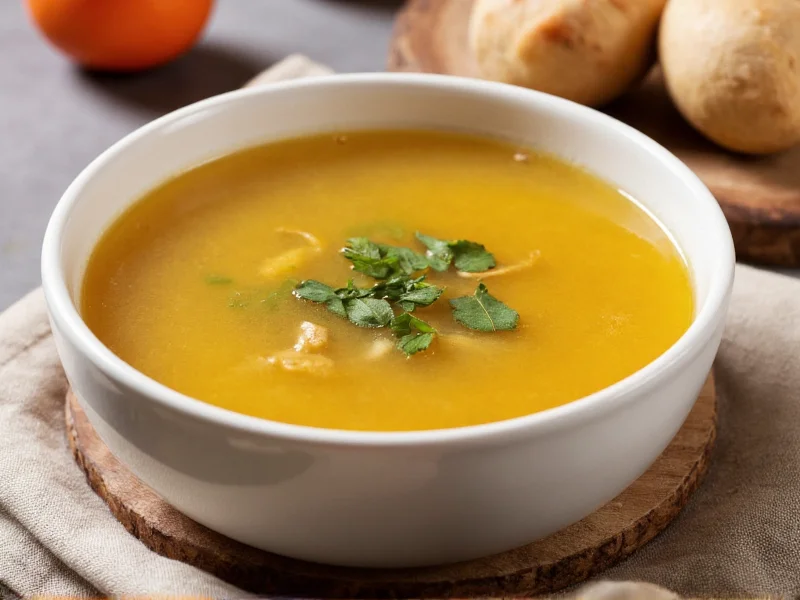
Understanding Chicken Stock Soup: More Than Just a Cooking Liquid
Chicken stock soup serves as the culinary foundation for countless dishes, from classic French sauces to comforting home-cooked meals. Professional chefs and home cooks alike rely on this versatile ingredient to enhance flavors and add complexity to their creations. The key distinction between chicken stock and chicken broth lies in their preparation methods and resulting characteristics.
Chicken Stock vs. Chicken Broth: Critical Differences
Many home cooks use these terms interchangeably, but understanding the difference between chicken stock and chicken broth is essential for achieving professional results. Chicken stock primarily uses bones, while broth emphasizes meat. This fundamental distinction creates significant variations in texture, flavor, and culinary applications.
| Characteristic | Chicken Stock | Chicken Broth |
|---|---|---|
| Primary Ingredients | Bones, connective tissue,少量meat | Meat,少量bones |
| Simmering Time | 4-6 hours | 1-2 hours |
| Texture | Gelatinous when cooled | Thin, liquid consistency |
| Flavor Profile | Rich, deep, complex | Milder, more direct chicken flavor |
| Culinary Purpose | Sauces, reductions, dishes needing body | Consumed as-is, soups, quick preparations |
The Science Behind Superior Stock
When making chicken stock from scratch, the extended simmering time extracts collagen from bones and connective tissues, which converts to gelatin. This process creates the characteristic mouth-coating texture that professional kitchens prize. The gelatin not only improves texture but also helps emulsify fats and carry flavors throughout a dish.
For optimal results when preparing homemade chicken stock, include a mix of bones: knuckles provide collagen, backs offer meaty flavor, and feet (if available) boost gelatin content. The addition of mirepoix (carrots, celery, and onions) and aromatic herbs creates a balanced flavor profile without overwhelming the chicken essence.
Practical Culinary Applications
Understanding the proper uses of chicken stock soup separates amateur cooks from professionals. While broth works well for soups consumed directly, stock's concentrated flavor and body make it ideal for:
- Creating velouté and other mother sauces
- Reducing into glazes and demi-glazes
- Adding depth to risottos and grain dishes
- Moistening dry ingredients in casseroles
- Enhancing the texture of braised meats
When substituting stock for broth in recipes, remember that stock's stronger flavor may require slight adjustments to seasoning. The nutritional benefits of homemade chicken stock include natural collagen, amino acids, and minerals extracted from bones during the slow cooking process.
Mastering Homemade Chicken Stock Preparation
Creating professional-quality chicken stock at home requires attention to detail but minimal active effort. The basic process involves:
- Roasting bones at 400°F (200°C) for 30-40 minutes to develop flavor
- Transferring to a large pot with cold water (never hot, which seals in impurities)
- Adding mirepoix and aromatics (onion, celery, carrot, parsley stems, peppercorns)
- Simmering gently for 4-6 hours (never boiling, which makes stock cloudy)
- Straining through a fine mesh sieve or cheesecloth
- Cooling rapidly and storing properly
Achieving crystal-clear stock requires patience and proper technique. Skim impurities that rise to the surface during the first 20 minutes of simmering. For restaurant-quality results, consider the "cold start" method where bones begin in cold water, allowing impurities to coagulate slowly and be easily removed.
Storage and Shelf Life Guidelines
Proper storage methods for chicken stock ensure maximum freshness and safety. When cooled properly:
- Refrigerator: Store in airtight containers for up to 4 days
- Freezer: Portion into ice cube trays, then transfer to freezer bags for up to 6 months
- Vacuum sealing: Extends freezer life to 12 months
When reheating frozen stock, do so gradually to preserve texture. Never refreeze previously frozen stock. The gelatinous quality of properly made stock will liquefy when heated and re-gel when cooled—a sign of successful preparation.
Common Mistakes to Avoid
Even experienced cooks make errors when preparing chicken stock soup. The most frequent issues include:
- Boiling instead of simmering (creates cloudy, bitter stock)
- Overloading with vegetables (overpowers chicken flavor)
- Insufficient simmering time (fails to extract maximum gelatin)
- Using only meaty bones (lacks collagen for proper texture)
- Adding salt too early (concentrates during reduction)
For those seeking convenience without sacrificing quality, consider making large batches during meal prep sessions. The time investment pays dividends in superior flavor for all your culinary creations throughout the week.
Frequently Asked Questions
What's the primary difference between chicken stock and chicken broth?
Chicken stock uses bones as the primary ingredient, simmered for 4-6 hours to extract collagen and create a gelatinous texture when cooled. Chicken broth uses more meat and simmers for 1-2 hours, resulting in a thinner liquid with milder flavor intended for direct consumption.
Why does my homemade chicken stock not gel when cooled?
Lack of gel indicates insufficient collagen extraction. Ensure you're using bones with connective tissue (knuckles, feet, or wings), simmering for at least 4 hours, and using the proper bone-to-water ratio (approximately 3 pounds of bones per gallon of water).
Can I use chicken stock as a direct substitute for broth in recipes?
Yes, but with adjustments. Stock has a stronger flavor and thicker texture. When substituting, you may need to dilute with water (typically 25-50%) and adjust seasoning, as stock's concentrated flavor can overwhelm delicate dishes.
How can I fix cloudy chicken stock?
Cloudiness usually results from boiling instead of simmering. For future batches, maintain a gentle simmer. To clarify existing stock, try the 'raft' method: whisk egg whites into hot stock, then simmer gently—the egg whites will trap impurities as they rise to the surface.
What are the nutritional benefits of homemade chicken stock?
Homemade chicken stock contains natural collagen, gelatin, and amino acids like glycine and proline. It provides minerals including calcium, magnesium, and phosphorus extracted from bones. Unlike commercial versions, homemade stock contains no additives or excessive sodium.




 浙公网安备
33010002000092号
浙公网安备
33010002000092号 浙B2-20120091-4