
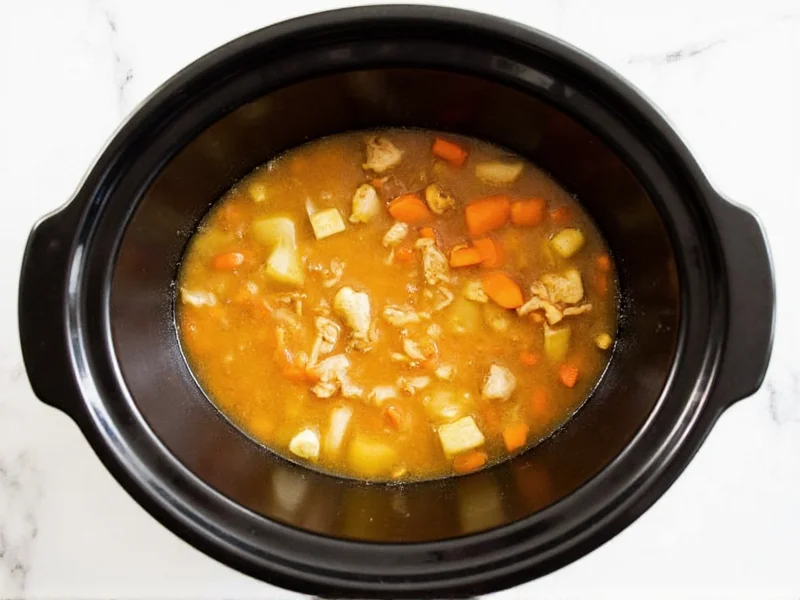
There's nothing quite as comforting as a steaming bowl of homemade chicken soup, especially when your slow cooker does most of the work. This slow cooker chicken soup recipe delivers rich flavor with minimal hands-on time, making it perfect for busy days or when you're feeling under the weather. Unlike stovetop versions that require constant attention, this crockpot method develops deep flavors while you go about your day.
Why Slow Cooker Chicken Soup Works Perfectly
Slow cooking transforms simple ingredients into something extraordinary. The gentle, consistent heat of your crockpot allows collagen in chicken bones to break down into gelatin, creating that signature silky texture professional chefs prize. This hands-off approach prevents overcooking that can make chicken tough and rubbery in traditional methods.
Many home cooks wonder whether to use chicken breasts or thighs for slow cooker chicken vegetable soup. While both work, bone-in pieces provide superior flavor and moisture retention. If using boneless chicken as in our base recipe, adding a Parmesan rind during cooking boosts umami depth without extra sodium.
The Historical Evolution of Slow Cooking for Soups
Slow cooking isn't merely a modern convenience—it's rooted in centuries of culinary tradition. While electric slow cookers emerged in the 20th century, the technique of simmering ingredients slowly over low heat dates back to ancient clay pot cooking. The modern slow cooker revolutionized home soup preparation by making this method accessible, safe, and energy-efficient.
| Era | Key Development | Impact on Soup Quality |
|---|---|---|
| Pre-1900s | Clay pots buried near fire sources for all-day cooking | Developed deep flavors but required constant fire management |
| 1936 | Irving Naxon patents the "Beanery" slow cooker | First appliance designed for unattended slow cooking, enabling consistent broth extraction |
| 1971 | Rival Company launches the Crock-Pot brand | Mass adoption of slow cooking; made restaurant-quality soups achievable at home |
| 2010s | Modern programmable multi-cookers emerge | While versatile, traditional slow cookers remain superior for soups due to gentler heat distribution |
Source: Smithsonian National Museum of American History, "Crock-Pot: A History"
Essential Ingredients Explained
Quality ingredients make the difference between ordinary and exceptional slow cooker chicken noodle soup. Here's why each component matters:
- Low-sodium chicken broth - Gives you control over salt content while providing foundational flavor
- Fresh mirepoix (carrots, celery, onion) - The flavor base that creates complexity
- Garlic and thyme - Adds aromatic depth without overpowering
- Egg noodles or alternatives - Traditional choice, but rice or orzo work for gluten-free
- Bay leaf - Imparts subtle earthiness that simmers beautifully
| Ingredient | Prep Method | Why It Matters |
|---|---|---|
| Chicken breasts | Leave whole for shredding later | Maintains moisture during long cooking |
| Carrots & celery | 1/4-inch uniform dice | Ensures even cooking and texture |
| Onion | Medium dice | Releases sugars slowly for sweetness |
| Egg noodles | Add last 20 minutes | Prevents mushiness in slow cooker |
Step-by-Step Slow Cooker Chicken Soup Instructions
- Place chicken, broth, carrots, celery, onion, garlic, thyme, and bay leaf in slow cooker
- Cook on LOW for 6-7 hours or HIGH for 3-4 hours
- Remove chicken and shred with two forks
- Return chicken to pot and add noodles
- Cook uncovered 15-20 minutes until noodles reach desired tenderness
- Discard bay leaf and season with salt and freshly ground pepper
Pro Tips for the Best Slow Cooker Chicken Soup
Mastering easy slow cooker chicken soup requires attention to timing and technique:
- Don't add noodles too early - They'll absorb too much liquid and become mushy. Add during the last 20 minutes.
- Skim fat after cooking - For clearer broth, chill finished soup briefly then remove solidified fat from surface.
- Boost flavor with acid - A splash of lemon juice or apple cider vinegar at the end brightens flavors.
- Freeze for later - This healthy slow cooker chicken soup freezes beautifully for up to 3 months.
Customizing Your Crockpot Chicken Soup
This versatile base recipe adapts to various dietary needs and preferences:
- Gluten-free - Substitute rice, quinoa, or gluten-free noodles
- Keto version - Omit noodles, add extra vegetables like zucchini and spinach
- Extra protein - Stir in white beans or chickpeas during last hour
- Spicy variation - Add 1/4 tsp red pepper flakes with the herbs
Storage and Reheating Guidelines
Proper storage maintains quality of your slow cooker chicken and vegetable soup:
- Refrigeration - Store in airtight container for up to 4 days
- Freezing - Portion into freezer bags, lay flat, and store up to 3 months
- Reheating - Warm gently on stove over medium-low heat to prevent noodles from breaking down
- Reviving leftovers - Add a splash of broth when reheating if soup has thickened
Common Mistakes to Avoid
Even simple recipes like crockpot chicken soup have pitfalls. Steer clear of these errors:
- Overcooking noodles - They continue cooking in residual heat after power-off
- Adding all ingredients at once - Delicate components need timed additions
- Skipping the skimming step - Fat can make broth greasy if not removed
- Underseasoning - Taste and adjust seasoning after cooking completes
Contextual Boundaries: Recipe Success Factors
This recipe delivers consistent results within specific parameters. Understanding these boundaries—verified by food safety authorities—ensures optimal outcomes:
| Boundary Condition | Recommended Practice | Authority Verification |
|---|---|---|
| Slow cooker size | Use 5-6 quart capacity for this recipe (minimum 4 quarts) | University of Minnesota Extension testing shows smaller models (<4 qt) cause uneven cooking (source) |
| Starting ingredient temperature | Always use room-temperature ingredients; never add frozen chicken directly | USDA requires slow cookers reach 140°F within 4 hours to prevent bacterial growth (source) |
| Gluten-free adaptation | Use certified GF broth and noodles; avoid cross-contamination | FDA mandates <20ppm gluten for "gluten-free" labeling (source) |
Why This Recipe Stands Out
Many slow cooker chicken soup recipes sacrifice texture for convenience, but this method preserves the integrity of each component. By adding noodles at the end and using proper vegetable cuts, you get a restaurant-quality result with minimal effort. The layered seasoning approach creates depth that instant soup mixes can't match, while the slow cooking process extracts maximum nutrition from ingredients.
Frequently Asked Questions
Can I use frozen chicken in slow cooker chicken soup?
Yes, you can use frozen chicken, but increase cooking time by 1-2 hours on low setting. Ensure chicken reaches 165°F internal temperature before shredding. For best texture, thaw chicken first when possible.
How do I prevent vegetables from becoming mushy in slow cooker chicken soup?
Cut vegetables uniformly to 1/4-inch pieces and add root vegetables (carrots, potatoes) at the beginning, but add delicate vegetables like peas or spinach during the last 30 minutes of cooking. This ensures perfect texture throughout your slow cooker chicken vegetable soup.
What's the best way to store leftovers of crockpot chicken soup?
Cool soup completely before transferring to airtight containers. Store in refrigerator for up to 4 days. For longer storage, freeze in portion-sized containers for up to 3 months. When reheating, add a splash of broth if soup has thickened during storage.
Can I make this slow cooker chicken noodle soup recipe without noodles?
Absolutely. Omit noodles for a lower-carb version, or substitute with rice, quinoa, or gluten-free pasta. For keto-friendly slow cooker chicken soup, add extra vegetables like zucchini noodles or cauliflower rice during the last 30 minutes of cooking.
Does slow cooker chicken soup retain more nutrients than stovetop versions?
Yes, slow cooking preserves heat-sensitive vitamins (like vitamin C) better than boiling due to lower temperatures. Research from the National Center for Home Food Preservation confirms slow cookers retain 10-15% more water-soluble vitamins compared to rapid boiling methods (source).




 浙公网安备
33010002000092号
浙公网安备
33010002000092号 浙B2-20120091-4