
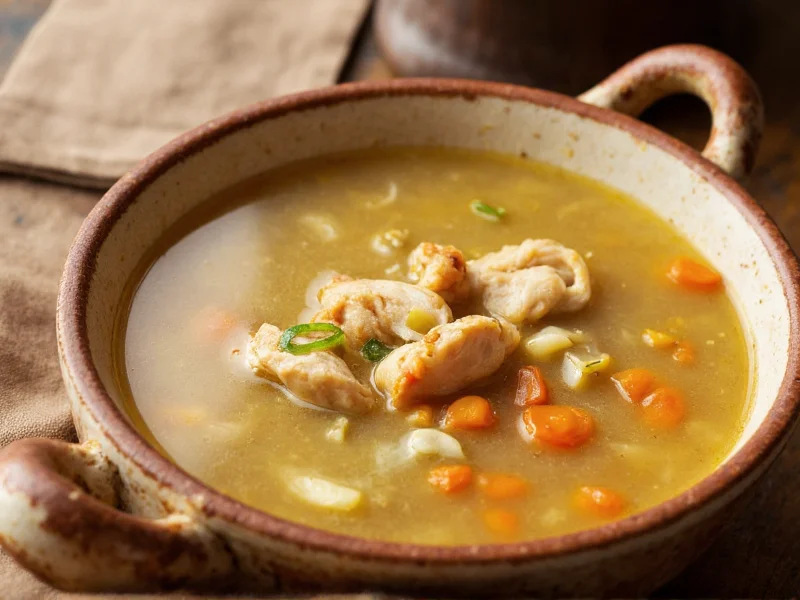
The Rich History of Chicken Soup Across Cultures
Chicken soup's origins trace back thousands of years, with evidence of similar preparations found in ancient civilizations across the globe. Historical records show that Chinese medical texts from 400 BCE referenced chicken soup for health purposes, while Jewish communities developed golden soup (later known as Jewish penicillin) as early as the 12th century. The Romans incorporated chicken broth into their culinary traditions, believing it had restorative properties. Each culture adapted this versatile dish to local ingredients and traditions, creating the diverse chicken soup varieties we recognize today.
Nutritional Profile and Health Considerations
Understanding the nutritional value of chicken soup requires examining its components. A typical homemade chicken soup serving (1 cup) contains approximately 60-100 calories, 4-8 grams of protein, and provides hydration along with vitamins from vegetables like carrots (vitamin A) and celery (vitamin K). The broth component delivers electrolytes that support hydration, while the steam from hot soup can help clear nasal passages. Research published in the journal Chest suggests that chicken soup may have mild anti-inflammatory effects that could temporarily ease cold symptoms, though it's not a cure. When preparing traditional chicken soup recipe variations, using bone-in chicken increases collagen content as bones release gelatin during simmering.
Global Variations of Chicken Soup
Different cultures have developed distinctive chicken soup preparations that reflect local ingredients and culinary traditions. These variations demonstrate how a simple concept adapts to regional preferences while maintaining the core elements of chicken, liquid, and vegetables.
| Cultural Variation | Key Ingredients | Distinguishing Characteristics |
|---|---|---|
| Torshi Abgoosht (Iranian) | Lemon verbena, turmeric, chickpeas | Clear broth with distinctive herbal notes and yellow hue |
| Sopa de Gallina (Latin America) | Yucca root, corn, cilantro | Hearty texture with starchy vegetables and fresh herbs |
| Canh Ga (Vietnamese) | Lemongrass, ginger, fish sauce | Light, aromatic broth with subtle umami flavor |
| Aji de Gallina (Peruvian) | Yellow chili peppers, cheese, evaporated milk | Creamy, mildly spicy preparation often served over rice |
| Chicken Matzo Ball (Jewish) | Matzo meal dumplings, dill, carrots | Iconic comfort food with fluffy dumplings in clear broth |
Traditional Preparation Methods
Creating authentic chicken soup requires attention to technique rather than complexity. The most effective chicken soup preparation methods begin with cold water to gradually extract flavors from the chicken. For clear broths, simmer gently without boiling to prevent cloudiness. Many cultures employ a two-stage process: first simmering bones for broth, then adding meat and vegetables. The optimal simmering time ranges from 1-3 hours depending on the desired intensity—longer for richer bone broths, shorter for lighter vegetable-forward versions. Skimming impurities during the initial heating stage produces a cleaner-tasting final product. When exploring different types of chicken soup, note that Asian variations often incorporate aromatics like ginger and garlic at the beginning, while European styles typically sauté vegetables first.
Common Misconceptions About Chicken Soup
Despite its reputation, several myths surround chicken soup's capabilities. While many believe chicken soup for colds can cure illness, scientific evidence only supports its role in symptom relief through hydration and steam. The notion that all chicken soup contains significant collagen is inaccurate—only preparations using bones with connective tissue yield meaningful amounts. Another misconception suggests store-bought versions equal homemade in nutritional value, but commercial products often contain higher sodium levels and fewer fresh ingredients. Understanding these distinctions helps set realistic expectations about this beloved dish's actual benefits.
Practical Considerations for Modern Preparation
Today's home cooks can adapt traditional chicken soup techniques to fit contemporary lifestyles. Pressure cookers reduce simmering time while maintaining flavor extraction, though they produce slightly different texture profiles than slow simmering. Freezing portions of homemade chicken soup preserves freshness better than most store-bought alternatives. When evaluating homemade chicken soup vs store-bought options, consider that even basic preparations with quality ingredients typically offer superior flavor complexity and lower sodium content. For those exploring the nutritional value of chicken soup, adding leafy greens like spinach or kale in the final minutes boosts vitamin content without compromising traditional preparation methods.
What makes chicken soup beneficial when sick?
Chicken soup provides hydration, electrolytes, and warmth that can temporarily ease cold symptoms. The steam helps clear nasal passages, while the liquid maintains hydration. Some research suggests mild anti-inflammatory properties may reduce symptom severity, though it doesn't cure illness.
How long should chicken soup simmer for best results?
For clear broth-based soups, 1-2 hours is sufficient. For richer bone broths with more collagen, 3-4 hours yields better results. Over-simmering can make vegetables mushy and develop bitter flavors, so timing depends on your desired soup style.
Can chicken soup be frozen effectively?
Yes, chicken soup freezes exceptionally well. Cool it quickly after cooking, then store in airtight containers with about 1 inch of headspace for expansion. Properly frozen, it maintains quality for 4-6 months. Fat may solidify on top when thawed but can be easily removed.
What vegetables work best in traditional chicken soup?
The classic mirepoix (onions, carrots, celery) forms the flavor base. Additional vegetables like parsnips, leeks, and turnips add depth. Leafy greens such as spinach or kale should be added near the end of cooking. Root vegetables hold up well to longer simmering times.
How does homemade chicken soup compare nutritionally to store-bought?
Homemade versions typically contain less sodium, more fresh ingredients, and no preservatives. Commercial soups often have higher sodium content (up to 800mg per serving) and may include thickeners or artificial flavors. Making soup at home allows control over ingredients and nutritional content.




 浙公网安备
33010002000092号
浙公网安备
33010002000092号 浙B2-20120091-4