
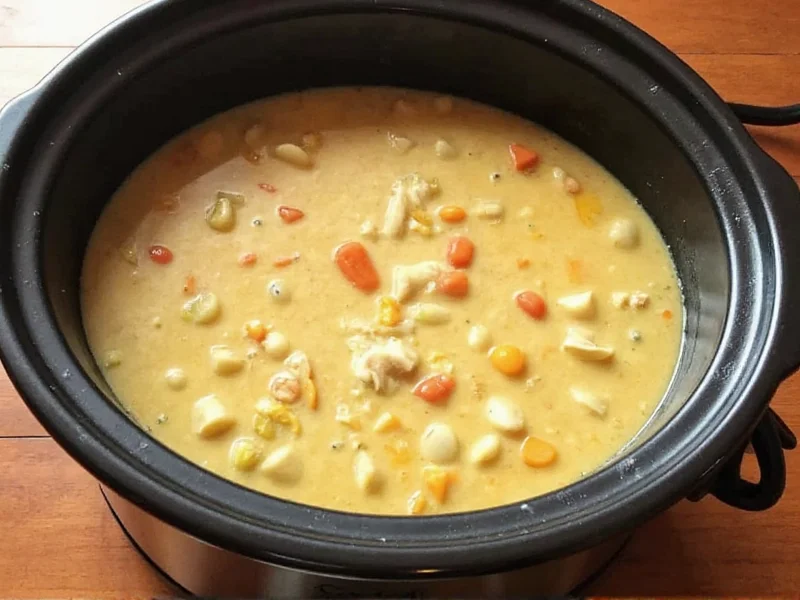
Creating the perfect chicken pot pie soup in a crock pot transforms classic comfort food into an effortless meal. This slow cooker method delivers rich flavors while requiring minimal preparation time compared to traditional oven-baked versions. The extended cooking time allows flavors to meld beautifully while keeping the chicken exceptionally tender.
Why Choose Crock Pot for Chicken Pot Pie Soup
Using a slow cooker for chicken pot pie soup offers several advantages over stovetop or oven methods. The gentle, consistent heat prevents ingredients from scorching while developing deep flavors. Unlike traditional chicken pot pie recipes that require pie crust preparation, this crock pot version simplifies the process while maintaining that signature comfort food experience.
One of the biggest benefits of this easy chicken pot pie soup crock pot recipe is the hands-off cooking approach. Simply prepare your ingredients, add them to the slow cooker, and let it work its magic while you attend to other tasks. This makes it ideal for busy weeknights or when hosting guests.
Essential Ingredients for Authentic Flavor
The foundation of a great crock pot chicken pot pie soup with biscuit topping starts with quality ingredients. While variations exist, these components create the classic flavor profile:
- Protein: Boneless, skinless chicken thighs (more flavorful than breasts)
- Aromatics: Onion, garlic, celery
- Vegetables: Carrots, peas, potatoes
- Liquid base: Chicken broth and whole milk or half-and-half
- Thickener: All-purpose flour or cornstarch
- Seasonings: Thyme, rosemary, salt, and pepper
- Topping: Store-bought or homemade biscuits
For those seeking a healthy chicken pot pie soup slow cooker option, substitute whole milk with low-fat alternatives and use reduced-sodium broth. Many home cooks prefer this chicken pot pie soup crock pot without cream of chicken soup version for its cleaner ingredient list and fresher taste.
Step-by-Step Crock Pot Preparation
Follow these straightforward steps for the best crock pot chicken pot pie soup:
- Prepare ingredients: Dice chicken into 1-inch pieces, chop vegetables uniformly
- Sear chicken (optional): For deeper flavor, quickly sear chicken in a hot pan before adding to crock pot
- Layer ingredients: Place chicken, vegetables, broth, and seasonings in slow cooker
- Cook: Set to low for 6-7 hours or high for 3-4 hours
- Thicken: Mix flour with cold water, stir into soup during last 30 minutes
- Add dairy: Stir in milk or cream during final 15 minutes
- Top with biscuits: Place biscuit dough on soup during last 30 minutes of cooking
| Cooking Method | Temperature | Time | Best For |
|---|---|---|---|
| Low Setting | 200°F (93°C) | 6-7 hours | Maximum flavor development |
| High Setting | 300°F (149°C) | 3-4 hours | Quicker preparation |
| Overnight | Low | 8 hours | Meal prep convenience |
Perfecting Your Creamy chicken pot pie soup crock pot
Achieving the ideal texture requires attention to a few key details. The soup should be thick enough to coat the back of a spoon but still pourable. If your chicken pot pie soup crock pot turns out too thin, create a slurry of equal parts cornstarch and cold water, then stir it into the simmering soup.
For optimal results when making how to make chicken pot pie soup in slow cooker, avoid lifting the lid frequently during cooking. Each time you open the crock pot, it loses heat and extends the cooking time by approximately 20 minutes. Wait until the final hour to check seasoning and consistency.
Serving and Storage Tips
Serve your crock pot chicken pot pie soup immediately after cooking for the best texture. The biscuit topping will be golden and crisp while the soup remains hot and flavorful. Pair with a simple green salad for a complete meal.
Proper storage maintains quality for future meals:
- Cool completely before refrigerating
- Store in airtight containers for up to 4 days
- Freeze without biscuits for up to 3 months
- Reheat gently on stove or in microwave
- Add fresh biscuits when serving leftovers
Popular Variations to Try
Customize your crock pot chicken pot pie soup to suit different tastes and dietary needs:
- Gluten-free: Use cornstarch instead of flour for thickening
- Dairy-free: Substitute coconut milk for dairy products
- Veggie-packed: Add mushrooms, green beans, or corn
- Herb variations: Try tarragon or sage instead of traditional thyme
- Protein swaps: Use turkey instead of chicken for holiday leftovers
Troubleshooting Common Issues
Even experienced cooks encounter challenges with slow cooker recipes. Here's how to address frequent problems with chicken pot pie soup crock pot:
- Watery soup: Extend cooking time with lid off for 30-60 minutes to reduce liquid
- Dry chicken: Use thighs instead of breasts and avoid overcooking
- Soggy biscuits: Add biscuits during final 20-30 minutes of cooking
- Bland flavor: Boost with additional herbs or a splash of white wine
- Vegetables too soft: Add delicate vegetables like peas during the last hour
Why This Recipe Works Every Time
The magic of this crock pot chicken pot pie soup lies in the slow cooking process that develops complex flavors while maintaining ingredient integrity. Unlike stovetop versions that risk scorching, the crock pot's gentle heat ensures even cooking throughout. The extended cooking time allows collagen in the chicken to break down completely, creating that signature rich mouthfeel without needing heavy cream.
When executed properly, this easy chicken pot pie soup crock pot recipe delivers restaurant-quality results with minimal effort. The biscuit topping creates a delightful contrast between the flaky exterior and creamy interior, making it the perfect comfort food for chilly evenings.
Can I use frozen chicken in crock pot chicken pot pie soup?
Yes, but increase cooking time by 1-2 hours on high setting. Ensure chicken reaches 165°F internally before adding dairy ingredients. For best texture, thaw chicken first when possible.
How do I prevent the biscuits from getting soggy?
Add biscuits during the last 20-30 minutes of cooking. For crisper results, place them directly on the soup surface rather than stirring in. You can also broil the finished soup for 2-3 minutes after adding biscuits.
What's the best thickener for gluten-free chicken pot pie soup?
Cornstarch works best for gluten-free thickening. Mix 2 tablespoons cornstarch with 2 tablespoons cold water, then stir into the simmering soup during the last 30 minutes of cooking. Arrowroot powder is another excellent option.
Can I make this recipe dairy-free?
Absolutely. Substitute whole milk with full-fat coconut milk for similar creaminess. For the biscuit topping, use dairy-free butter and almond milk. The soup maintains its rich texture without compromising flavor.
How long does chicken pot pie soup last in the refrigerator?
Properly stored in an airtight container, chicken pot pie soup lasts 3-4 days in the refrigerator. For best results, store soup and biscuits separately. Reheat gently on the stove, adding a splash of broth if needed to restore consistency.




 浙公网安备
33010002000092号
浙公网安备
33010002000092号 浙B2-20120091-4