
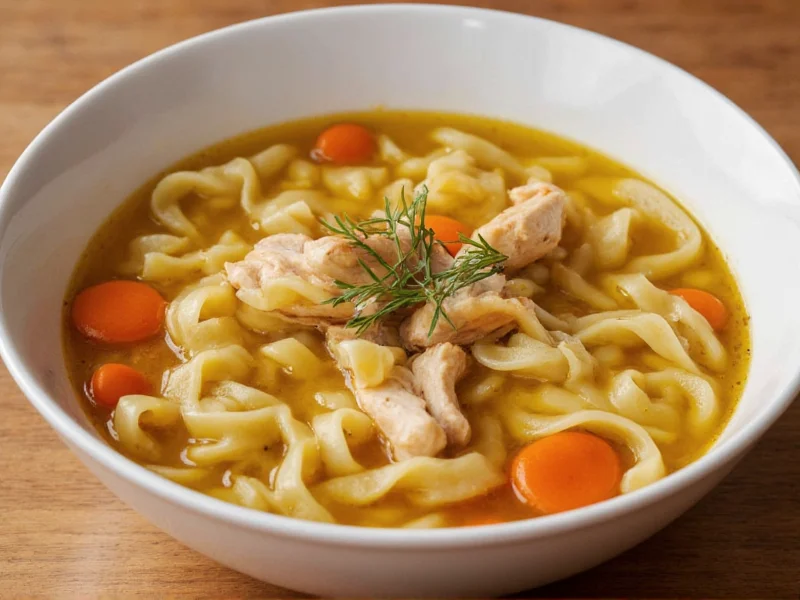
When searching for chicken noodle soup Jamie Oliver, home cooks seek more than just a basic recipe—they want the authentic version from the renowned British chef known for his approachable yet elevated comfort food. Jamie Oliver's interpretation of this classic dish stands out for its emphasis on fresh ingredients, proper technique, and balanced flavors that transform a simple soup into something extraordinary.
The Signature Elements of Jamie Oliver's Chicken Noodle Soup
What distinguishes chicken noodle soup Jamie Oliver style from ordinary versions is his meticulous attention to foundational elements. Rather than relying on store-bought broth, Oliver insists on building flavor from scratch using roasted chicken bones, which creates a richer, more complex base. His recipe incorporates a "sofrito" of finely diced carrots, celery, and leeks—a flavor base that forms the aromatic foundation of the soup.
Unlike many simplified recipes, Oliver's approach includes a critical step of simmering the soup gently rather than boiling vigorously, which prevents the vegetables from becoming mushy while allowing flavors to meld perfectly. The addition of fresh thyme and a Parmesan rind (if available) adds umami depth that elevates the entire dish.
Complete Ingredient List for Authentic Preparation
Creating the genuine chicken noodle soup Jamie Oliver recipe requires specific ingredients measured precisely for optimal results:
| Ingredient | Quantity | Preparation Notes |
|---|---|---|
| Chicken bones (from a roasted chicken) | 500g | Roasted for 30 minutes at 200°C before use |
| Carrots | 2 medium | Peeled and finely diced |
| Celery sticks | 2 | Finely diced including leaves |
| Leek | 1 large | White part only, finely sliced |
| Egg noodles | 200g | Medium width, cooked separately |
| Fresh thyme | 4 sprigs | Plus extra for garnish |
| Garlic cloves | 2 | Crushed |
| Parmesan rind (optional) | 1 small piece | Adds umami depth |
Step-by-Step Cooking Instructions
Following the exact chicken noodle soup Jamie Oliver method ensures professional results at home:
- Prepare the broth base: Place roasted chicken bones in a large pot with 2 liters of cold water. Bring to a gentle simmer (not boil) and skim any impurities that rise to the surface.
- Add aromatics: After 10 minutes of simmering, add the diced carrots, celery, leek, garlic, thyme sprigs, and Parmesan rind. Continue simmering gently for 1 hour, partially covered.
- Strain and clarify: Carefully strain the broth through a fine-mesh sieve into a clean pot, pressing gently on the solids to extract maximum flavor without making the broth cloudy.
- Prepare the soup: Return the strained broth to medium heat. Add additional salt and freshly ground black pepper to taste. The broth should be flavorful but not overly salty at this stage.
- Cook noodles separately: In a separate pot, cook the egg noodles according to package directions but slightly undercook them (al dente). Drain and rinse with cold water to stop cooking.
- Final assembly: Add the cooked noodles to the hot broth just before serving to prevent them from becoming mushy. For added protein, include shredded cooked chicken.
Professional Tips for Perfect Chicken Noodle Soup
When preparing chicken noodle soup Jamie Oliver technique, these chef-recommended tips make a significant difference:
- Roast your bones: Never skip roasting the chicken bones first—this caramelization creates deeper flavor through the Maillard reaction.
- Gentle simmer: Keep the broth at a bare simmer (small bubbles occasionally breaking the surface) rather than a rolling boil to prevent cloudiness and preserve delicate flavors.
- Acid balance: Just before serving, add a squeeze of fresh lemon juice to brighten the flavors—a professional chef's secret that Jamie Oliver often employs.
- Noodle timing: Always cook noodles separately and add them to individual bowls before pouring in the hot broth to maintain perfect texture.
- Make ahead: The broth can be prepared 2-3 days in advance and refrigerated; the flavors actually improve with time. Add noodles and fresh herbs only when serving.
Variations and Customizations
While the traditional chicken noodle soup Jamie Oliver original recipe is beloved, these thoughtful variations accommodate different dietary needs without compromising flavor:
- Gluten-free version: Substitute egg noodles with rice noodles or gluten-free pasta, adding them at the very end of cooking.
- Vegetable boost: Add finely diced zucchini or spinach during the last 5 minutes of cooking for additional nutrients.
- Herb variations: While thyme is traditional, a small amount of fresh dill or parsley added at the end provides a different aromatic profile.
- Spicy kick: For those who enjoy heat, add a pinch of red pepper flakes when sautéing the vegetables.
Serving and Storage Recommendations
Serve the authentic chicken noodle soup Jamie Oliver style in pre-warmed bowls to maintain temperature. Garnish with fresh thyme leaves, a drizzle of good quality extra virgin olive oil, and freshly cracked black pepper. This soup pairs beautifully with crusty bread or a simple green salad.
For storage, cool the soup (without noodles) completely before transferring to airtight containers. Properly stored broth will keep for 4-5 days in the refrigerator or up to 3 months in the freezer. Remember to cook fresh noodles when reheating to maintain optimal texture.
Nutritional Benefits of Homemade Chicken Noodle Soup
Unlike commercial versions, chicken noodle soup Jamie Oliver recipe offers substantial nutritional advantages. The homemade broth contains collagen and gelatin from the bones, which supports joint health and digestion. The vegetables provide vitamins A and C, while the protein from chicken contributes to muscle maintenance. By controlling the sodium content, this version remains a genuinely nourishing meal rather than an overly salty convenience food.




 浙公网安备
33010002000092号
浙公网安备
33010002000092号 浙B2-20120091-4