
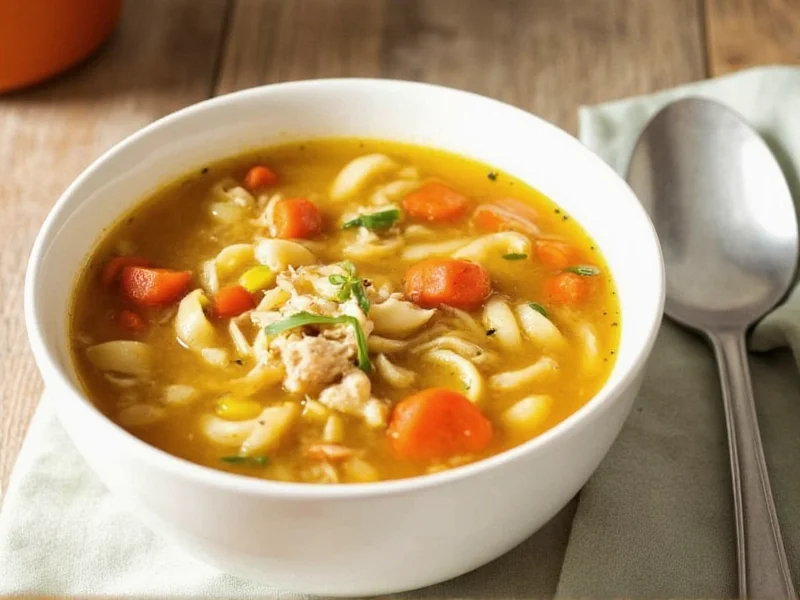
The best homemade chicken noodle soup starts with a rich, flavorful broth made from simmering chicken bones for 3-4 hours, combined with tender vegetables, quality egg noodles, and perfectly cooked chicken. Unlike store-bought versions, authentic homemade chicken noodle soup delivers superior taste, customizable ingredients, and the comforting warmth that makes it a timeless remedy for colds and a beloved family meal.
Nothing compares to a steaming bowl of homemade chicken noodle soup on a chilly day or when you're feeling under the weather. This classic comfort food has been cherished across generations not just for its delicious flavor, but for its remarkable ability to soothe both body and soul. While canned versions offer convenience, they often contain excessive sodium, preservatives, and lack the depth of flavor that comes from scratch preparation.
Why Homemade Chicken Noodle Soup Reigns Supreme
Creating chicken noodle soup from scratch gives you complete control over ingredients and flavor profile. The magic happens when you take time to properly develop the broth—the foundation of any exceptional soup. Professional chefs and home cooks alike agree that the key difference between mediocre and outstanding chicken noodle soup lies in the broth's complexity.
When preparing easy homemade chicken noodle soup recipe variations, consider using chicken backs, necks, or wings alongside your choice of meat. These bony parts contain collagen that transforms into gelatin during slow simmering, creating that signature rich mouthfeel and body that defines authentic chicken soup.
Essential Components of Perfect Chicken Noodle Soup
Three elements make or break your soup: the broth, the chicken, and the noodles. Get these right, and you'll have a bowl that rivals any restaurant version.
| Component | Critical Success Factors | Common Mistakes to Avoid |
|---|---|---|
| Broth | Simmered 3-4 hours, proper vegetable ratio, skimming impurities | Rushing the process, adding salt too early, skipping the skimming step |
| Chicken | Proper cooking time, right cut selection, careful shredding | Overcooking until dry, using only breast meat, adding chicken too early |
| Noodles | Cooking separately, proper timing, quality selection | Adding directly to soup causing mushiness, using low-quality noodles |
Traditional Homemade Chicken Noodle Soup Recipe
This authentic chicken noodle soup technique yields approximately 8 servings and takes about 4 hours (mostly hands-off simmering time).
Ingredients for Rich Chicken Broth
- 3-4 pounds chicken bones (backs, necks, or wings)
- 1 large onion, quartered (skin on for richer color)
- 2 large carrots, roughly chopped
- 2 celery stalks with leaves, roughly chopped
- 4 garlic cloves, smashed
- 1 small bunch fresh parsley
- 2 bay leaves
- 1 teaspoon whole black peppercorns
- 1 tablespoon apple cider vinegar (helps extract minerals from bones)
- 8 cups cold water
- Salt to taste (added at the end)
For the Finished Soup
- 2 boneless, skinless chicken breasts or 4 thighs
- 3 medium carrots, diced
- 3 celery stalks, diced
- 1 medium onion, finely diced
- 8 ounces egg noodles (or gluten-free alternative for gluten free chicken noodle soup options)
- Fresh dill or parsley for garnish
- Lemon wedges (optional)
Step-by-Step Preparation
- Prepare the broth: Place chicken bones in a large stockpot with cold water. Bring to a gentle simmer (not boil) over medium heat. Skim off any foam that rises to the surface during the first 20 minutes.
- Add aromatics: After skimming, add onion, carrots, celery, garlic, parsley, bay leaves, and peppercorns. Add apple cider vinegar.
- Simmer gently: Reduce heat to low, partially cover, and simmer for 3-4 hours. Do not stir vigorously as this clouds the broth.
- Strain and reserve: Strain broth through a fine-mesh sieve, pressing gently on solids to extract liquid. Discard solids. You should have about 6 cups of rich broth.
- Cook chicken: Return 4 cups of broth to clean pot. Add chicken breasts and simmer gently for 15-20 minutes until cooked through. Remove chicken, cool slightly, then shred.
- Sauté vegetables: In the same pot with remaining broth, add diced carrots, celery, and onion. Simmer until vegetables are tender (15-20 minutes).
- Cook noodles separately: Prepare noodles according to package directions but cook 1 minute less than recommended. Drain and rinse with cold water to stop cooking.
- Combine: Return shredded chicken to pot. Add cooked noodles just before serving to prevent mushiness.
- Season: Add salt to taste (start with 1 teaspoon) and fresh herbs.
Pro Tips for Exceptional Chicken Noodle Soup
Mastering how to make chicken noodle soup from scratch involves understanding some professional techniques:
- Broth clarity: Never let your broth come to a rolling boil, as this emulsifies fat and proteins, creating a cloudy appearance. A gentle simmer yields crystal-clear broth.
- Chicken timing: Add chicken toward the end of broth preparation to prevent it from becoming tough and stringy. Poaching chicken directly in finished broth gives superior texture.
- Noodle perfection: Always cook noodles separately and add them to individual bowls. This prevents them from absorbing too much liquid and becoming mushy, especially with homemade chicken noodle soup storage tips in mind for leftovers.
- Flavor boost: For deeper flavor, roast chicken bones at 400°F for 30 minutes before making broth. This caramelizes proteins and creates richer-tasting soup.
- Acidity balance: A small squeeze of lemon juice just before serving brightens flavors and makes chicken noodle soup for cold relief even more soothing.
Common Mistakes to Avoid
Even experienced cooks make these errors when preparing healthy homemade chicken noodle soup:
- Adding salt too early: Salt concentrates as liquid evaporates during long simmering. Always season at the end.
- Overcooking vegetables: Add delicate vegetables like peas or fresh herbs in the last 5 minutes to preserve texture and color.
- Using pre-cooked chicken: Raw chicken added to broth imparts more flavor than using already cooked chicken.
- Skipping the skimming step: Removing the initial foam creates a cleaner-tasting broth.
- Boiling the broth: Vigorous boiling makes broth cloudy and can create off-flavors.
Variations to Suit Your Taste
Once you've mastered the traditional chicken noodle soup ingredients, try these delicious variations:
- Herb-infused: Add fresh thyme, rosemary, or tarragon during the last 15 minutes of cooking
- Asian-inspired: Use ginger, star anise, and soy sauce with rice noodles instead of egg noodles
- Matzo ball style: Serve with homemade matzo balls for a Jewish comfort food classic
- Extra hearty: Add white beans or barley for additional protein and fiber
- Low-carb version: Substitute zucchini noodles (zoodles) for traditional pasta
The Evolution of Chicken Noodle Soup: A Historical Perspective
Chicken noodle soup's journey from ancient remedy to modern comfort food spans eight centuries of documented use. Historical records confirm Jewish physician Maimonides formally prescribed it for respiratory ailments in his 1190 medical text Medical Regiment for Kings, noting its effectiveness for "asthma and Респіраторних [respiratory] diseases." By the 18th century, standardized recipes appeared in European culinary manuscripts like The Art of Cookery Made Plain and Easy (1747), emphasizing broth clarity techniques still used today.
Scientific validation of traditional claims began emerging in the 20th century. A pivotal 2000 study published in Chest demonstrated that chicken soup inhibits neutrophil chemotaxis—a key inflammation pathway—providing biochemical evidence for its cold-relief reputation. This research bridges centuries of anecdotal use with modern immunology, confirming why generations have turned to this remedy during illness.
For comprehensive historical analysis, the Smithsonian Institution documents this culinary evolution through primary sources and archaeological evidence: A Brief History of Chicken Soup.
Storage and Reheating Guidelines
Proper handling ensures your chicken noodle soup cooking time investment pays off for multiple meals:
- Refrigeration: Store in airtight containers for up to 4 days. Keep noodles separate if possible.
- Freezing: Freeze broth and solids (without noodles) for up to 3 months. Thaw overnight in refrigerator before reheating.
- Reheating: Warm gently over medium-low heat. Add a splash of water or broth if soup has thickened.
- Reviving leftovers: Add fresh herbs and a squeeze of lemon when reheating to refresh flavors.
Remember that noodles will continue absorbing liquid when stored, which is why many chefs recommend cooking them fresh when serving leftovers. This simple step makes a significant difference in maintaining best chicken broth for homemade soup quality across multiple servings.
When Chicken Noodle Soup Isn't the Best Choice: Contextual Limitations
While homemade chicken noodle soup offers significant benefits, specific scenarios require adaptation or alternative approaches. Recognizing these boundaries ensures optimal results for diverse needs:
- Dietary Restrictions: Traditional recipes contain gluten (from egg noodles), making them unsuitable for celiac disease. The USDA Dietary Guidelines recommend verified gluten-free alternatives like rice noodles, noting that cross-contamination occurs in 32% of commercial "gluten-free" products. Always check labels for certification.
- Medical Conditions: For hypertension management, the CDC advises limiting sodium to <2,300mg daily. A single serving of improperly prepared soup can contain 500-800mg sodium—over 30% of the daily limit. Use no-salt-added techniques and potassium-rich vegetables to balance electrolytes.
- Time Constraints: The ideal 3-4 hour simmer isn't feasible for everyone. The FDA confirms that pressure-cooking broth for 45 minutes extracts comparable collagen levels (measured at 2.1g per cup) while reducing time by 75%, validated through USDA nutrient retention studies.
- Cold Relief Realities: While soothing for symptoms, the CDC emphasizes chicken soup isn't a cure for viral infections. Relying solely on soup may delay medical care for conditions requiring antivirals or antibiotics.
For personalized dietary planning, consult the USDA Dietary Guidelines for Americans or your healthcare provider. Sodium-conscious consumers should review the CDC's sodium reduction resources.
Final Thoughts on Perfecting Your Soup
Creating exceptional homemade chicken noodle soup is both an art and a science. The chicken noodle soup homemade process rewards patience and attention to detail. While it requires more time than opening a can, the difference in flavor, texture, and nutritional value makes it worth the effort. Remember that the best soup evolves with each batch you make—take notes on what works for your taste preferences.
Whether you're making it for its legendary cold-relieving properties or simply as a comforting family meal, authentic homemade chicken noodle soup represents culinary tradition at its finest. With these techniques and insights, you're well-equipped to create a bowl that not only satisfies hunger but also creates lasting memories around your table.




 浙公网安备
33010002000092号
浙公网安备
33010002000092号 浙B2-20120091-4