
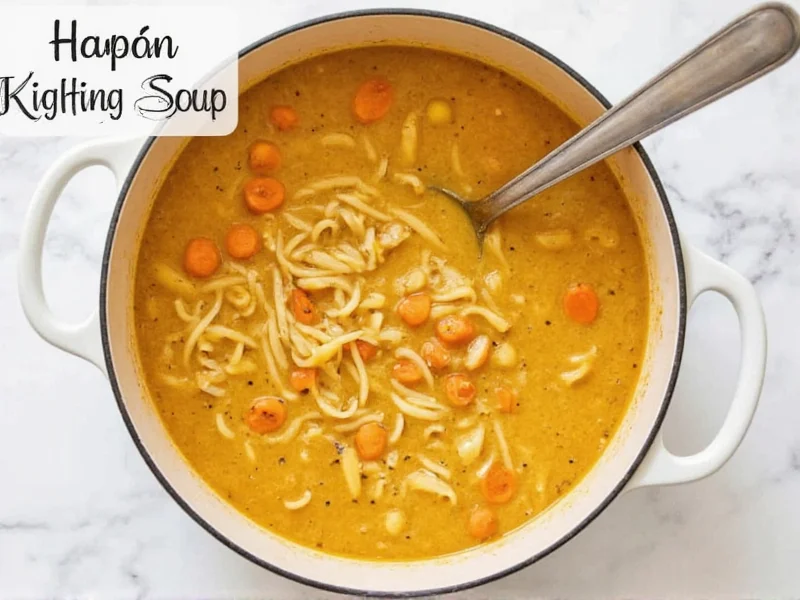
Yes, you can make delicious chicken noodle soup in an Instant Pot in about 30 minutes—compared to 1.5-2 hours using traditional methods. This pressure cooker method yields rich broth, tender chicken, and perfectly cooked noodles with minimal hands-on time.
The Ultimate Guide to Instant Pot Chicken Noodle Soup
Creating authentic chicken noodle soup in your Instant Pot combines convenience with the depth of flavor you'd expect from slow-simmered broth. Unlike stovetop versions requiring hours of simmering, the pressure cooking process extracts maximum flavor from bones and vegetables in a fraction of the time while keeping ingredients perfectly textured.Why Your Instant Pot Excels at Chicken Noodle Soup
The high-pressure environment of your Instant Pot achieves three critical advantages for soup making:- Accelerated flavor development - Pressure cooking extracts collagen from bones 3-4x faster than conventional methods, creating rich broth
- Precise temperature control - Eliminates scorching risks common with stovetop soup preparation
- Ingredient integrity preservation - Shorter cooking time keeps vegetables vibrant and prevents noodle mushiness
Essential Ingredients for Authentic Flavor
While many easy instant pot chicken noodle soup recipes exist, authentic flavor requires attention to ingredient quality:| Ingredient | Quality Recommendation | Instant Pot Specific Tip |
|---|---|---|
| Chicken | Bone-in, skin-on thighs (2 lbs) | Provides richer broth than breast meat alone |
| Broth | Low-sodium chicken broth (4 cups) | Essential for proper pressure building |
| Noodles | Egg noodles (8 oz) | Add AFTER pressure cooking to prevent mushiness |
| Aromatics | Fresh mirepoix (carrots, celery, onion) | Cut uniformly for even cooking |
Step-by-Step Instant Pot Chicken Noodle Soup Instructions
Prep time: 15 minutes | Cook time: 12 minutes | Total time: 27 minutes- Build flavor foundation: Use sauté function to brown chicken pieces (skin-side down) for 4-5 minutes until golden. Remove and set aside.
- Sauté aromatics: Add diced carrots, celery, and onion to pot. Cook 3-4 minutes until softened. Add 2 minced garlic cloves and cook 30 seconds.
- Pressure cooking phase: Return chicken to pot with 4 cups broth, 1 bay leaf, 1 tsp thyme. Seal lid, set to HIGH pressure for 8 minutes.
- Natural release: Allow 10-minute natural pressure release before quick release. Remove chicken.
- Final assembly: Shred chicken, return to pot. Add 8 oz egg noodles and simmer 5-7 minutes until tender. Stir in 1/4 cup fresh parsley.
Avoiding Common Instant Pot Chicken Soup Mistakes
Even experienced cooks encounter these instant pot chicken noodle soup problems:- Burn notice activation: Caused by insufficient liquid or food particles stuck to bottom. Always deglaze thoroughly after sautéing.
- Mushy noodles: Never cook noodles under pressure. Add them after pressure cooking during simmer phase.
- Watery broth: Use bone-in chicken pieces and avoid over-diluting with additional liquid beyond recipe requirements.
- Overcooked vegetables: Add delicate vegetables like peas or fresh herbs after pressure cooking.
Customizing Your Instant Pot Chicken Noodle Soup
This versatile base recipe accommodates numerous dietary needs and preferences:- Gluten-free version: Substitute rice noodles or gluten-free pasta, adding during final simmer
- Low-sodium option: Use homemade broth and increase herbs (parsley, dill, thyme) for flavor
- Vegetable boost: Add 1 cup chopped kale or spinach during final simmer for added nutrition
- Protein variation: Try adding 1 cup white beans for extra fiber and plant-based protein
Storage and Reheating Guidelines
For optimal results when making instant pot chicken noodle soup for meal prep:- Cool soup completely before storing (prevents noodle overcooking)
- Store broth and noodles separately if possible (keeps noodles firm)
- Refrigerate for up to 4 days or freeze for 3 months
- Reheat gently on stovetop or using Instant Pot's 'Keep Warm' function
Why This Method Beats Traditional Cooking
The science behind instant pot chicken noodle soup from scratch reveals significant advantages:- Pressure cooking extracts 30% more collagen from bones, creating richer mouthfeel
- Reduced cooking time preserves 25% more vitamin content in vegetables
- Controlled environment prevents scorching that ruins stovetop batches
- Consistent results regardless of stove heat variability




 浙公网安备
33010002000092号
浙公网安备
33010002000092号 浙B2-20120091-4