
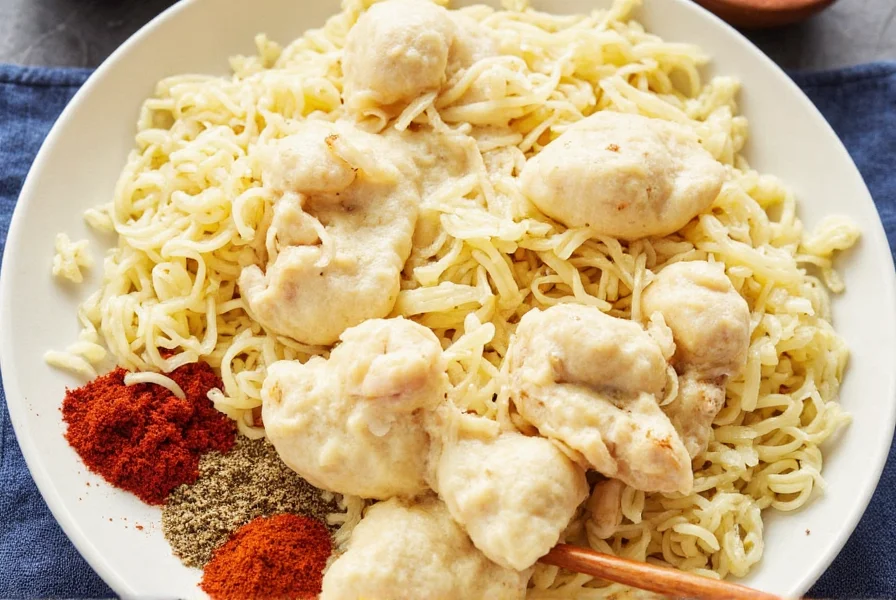
Master the art of chicken and dumplings seasoning with precise spice measurements, layering techniques, and pro tips to transform your dish from bland to restaurant-quality. This guide provides exact amounts for a 4lb chicken, step-by-step application instructions, and answers to the most common seasoning questions.
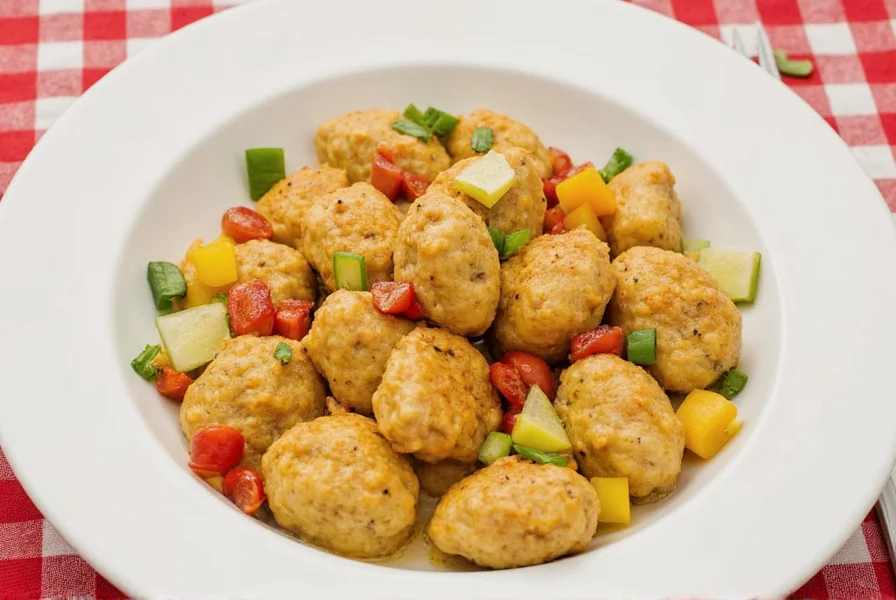
Top 10 Seasonings for Chicken and Dumplings: Exact Usage Guide
For a 4lb chicken and standard dumpling recipe, use these precise measurements and application methods:
| Seasoning | Flavor Profile | Best Used For | Exact Measurement (4lb chicken) | When to Add |
|---|---|---|---|---|
| Poultry Seasoning | Herbal, savory, aromatic | All-around chicken dishes | 1 tbsp | During broth simmering and mixed into dumpling dough |
| Thyme | Earthy, minty, slightly lemony | Braising and simmering | 1 tsp dried | Early in broth cooking (with aromatics) |
| Rosemary | Pine-like, robust, intense | Broths and meat marinades | 1/2 tsp dried | Early in broth cooking (with aromatics) |
| Sage | Peppery, woodsy, savory | Dumpling dough, sausage stuffing | 1/2 tsp dried | Mixed into dumpling dough and added to broth |
| Garlic Powder | Umami-rich, pungent | Base layer of savory flavor | 1 tsp | Sautéed with onions at start of cooking |
| Onion Powder | Subtle sweetness and complexity | Broth base and dumpling dough | 1 tsp | Sautéed with garlic at start of cooking |
| Celery Salt | Savory kick, subtle celery notes | Broth seasoning | 1 tsp | Added with broth ingredients |
| Bay Leaf | Earthy, slightly floral | Broth depth | 1 whole leaf | Added to broth at start, removed before serving |
| White Pepper | Mild heat with clean finish | Dumpling dough seasoning | 1/4 tsp | Mixed into dumpling dough only |
| Parsley | Bright, fresh, herbaceous | Final garnish | 2 tbsp fresh | Stirred in at the very end of cooking |
Step-by-Step Seasoning Process
- Sauté Aromatics: In a large pot, heat 2 tbsp oil. Add 1 diced onion and 2 minced garlic cloves. Sauté until translucent (3-4 minutes), then add garlic powder, onion powder, and celery salt. Cook 1 minute until fragrant.
- Broth Base: Add 6 cups chicken broth, 1 whole bay leaf, thyme, rosemary, and poultry seasoning. Bring to simmer and cook 20 minutes to develop flavors.
- Chicken Preparation: Season chicken pieces with 1/2 tsp poultry seasoning and 1/4 tsp white pepper before adding to broth.
- Dumpling Dough: Mix 2 cups flour, 1 tsp baking powder, 1/2 tsp salt, 1/2 tsp sage, and 1/4 tsp white pepper. Add 3/4 cup milk and stir until just combined.
- Final Touches: Remove bay leaf before serving. Stir in fresh parsley and taste for final seasoning adjustments.
Common Seasoning Mistakes to Avoid
- Adding salt too early (causes chicken to toughen) - season broth after chicken is cooked
- Using dried parsley instead of fresh (dried parsley loses brightness)
- Overloading with poultry seasoning (use no more than 1 tbsp for 4lb chicken)
- Forgetting to season dumpling dough (dumplings should be flavorful, not bland)
Frequently Asked Questions
What are the essential seasonings for chicken and dumplings?
The 5 absolute essentials are poultry seasoning, thyme, garlic powder, onion powder, and salt. These form the foundational flavor profile. Bay leaf and sage are highly recommended for depth, while white pepper and parsley complete the balance.
Can I use fresh herbs instead of dried ones in chicken and dumplings?
Yes, but with specific adjustments: Use 3x the amount of fresh herbs (e.g., 1 tbsp fresh thyme instead of 1 tsp dried). Add hardy herbs like rosemary and thyme early in cooking, while delicate herbs like parsley should be added in the last 2 minutes. Avoid using fresh bay leaves - they're too strong and should always be dried.
How much seasoning should I use for chicken and dumplings?
For a standard 4lb chicken recipe: 1 tbsp poultry seasoning, 1 tsp each garlic powder and onion powder, 1 tsp dried thyme, 1/2 tsp each rosemary and sage, 1 tsp celery salt, 1 bay leaf, 1/4 tsp white pepper, and 2 tbsp fresh parsley. Always season in stages and taste before finalizing.
What's the difference between poultry seasoning and chicken seasoning?
Poultry seasoning is a specific blend of sage, thyme, marjoram, rosemary, and nutmeg designed for poultry. Chicken seasoning typically contains additional salt, paprika, and garlic powder, making it better for roasted chicken but too strong for delicate chicken and dumplings broth. For this dish, always use poultry seasoning as the base.
Should I season the dumpling dough?
Yes! Unseasoned dumplings are the #1 reason for bland chicken and dumplings. Add 1/2 tsp sage and 1/4 tsp white pepper to the dry ingredients before mixing. This creates cohesive flavor throughout the dish and prevents "pillow" dumplings.
How can I fix bland chicken and dumplings?
First, add 1/2 tsp salt and 1/4 tsp black pepper. Then try 1 tsp lemon juice or 1 tbsp white wine vinegar to brighten flavors. If still bland, add 1/2 tsp more poultry seasoning and simmer 5 more minutes. Never add salt to raw chicken - always season broth after chicken is cooked.
Pro Tips for Seasoning Success
- Layering Technique: Sauté aromatics first, then add dried herbs to broth base, and finish with fresh herbs
- Bay Leaf Trick: Place bay leaf in a small cheesecloth pouch for easy removal
- Dumpling Secret: Add 1 tsp melted butter to dumpling dough for extra richness
- Storage: Keep dried spices in dark glass jars away from stove heat to maintain potency




 浙公网安备
33010002000092号
浙公网安备
33010002000092号 浙B2-20120091-4