
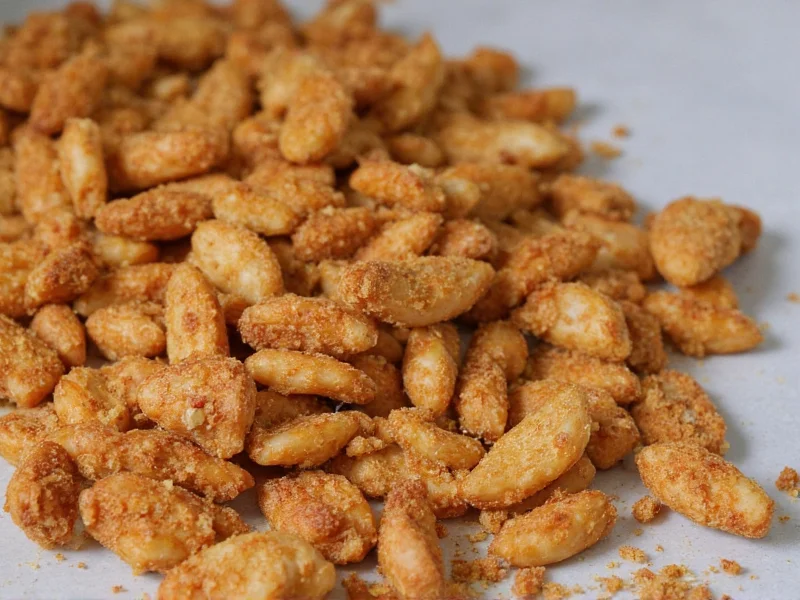
Understanding what makes chicken crack seasoning so popular requires examining its perfect balance of sweet, smoky, and spicy elements. This beloved blend earned its "crack" nickname because home cooks consistently find themselves returning for more, unable to resist its complex flavor profile that transforms ordinary chicken into an extraordinary dish. Unlike commercial seasoning mixes that often contain fillers and excessive sodium, the best homemade chicken crack seasoning recipes focus on quality ingredients that complement rather than overwhelm the natural taste of poultry.
The Essential Components of Chicken Crack Seasoning
Creating authentic chicken crack seasoning requires understanding each ingredient's role in building that signature addictive flavor. The magic happens through the careful combination of sweet elements that caramelize during cooking, savory umami boosters, and just enough heat to keep your taste buds engaged without overwhelming the palate.
| Core Ingredient | Function | Recommended Amount (per 1/2 cup blend) |
|---|---|---|
| Paprika (smoked preferred) | Provides deep color and smoky base flavor | 3 tablespoons |
| Brown sugar | Creates caramelization and balances heat | 2 tablespoons |
| Garlic powder | Adds savory depth and aromatic quality | 1.5 tablespoons |
| Onion powder | Complements garlic with sweet umami notes | 1.5 tablespoons |
| Cayenne pepper | Delivers subtle heat that builds gradually | 1 teaspoon |
| Salt | Enhances all other flavors (adjust to preference) | 1 tablespoon |
The Evolution of Chicken Crack Seasoning
Food historians trace the "chicken crack" phenomenon to competitive barbecue circuits of the late 1990s, where teams developed signature rubs for poultry categories. The Kansas City Barbeque Society documented how Memphis-style influences drove the adoption of sweet-spicy rubs during this period, as teams sought crust-forming blends that could withstand extended cooking times without overwhelming delicate chicken. By the mid-2000s, these competition rubs migrated to home kitchens through food blogs and cooking shows, with the "crack" moniker reflecting the seasoning's crave-worthy quality. Modern iterations maintain the core sweet-smoke-heat balance while adapting to contemporary dietary preferences.
This evolution aligns with documented shifts in American barbecue culture, as verified by the Kansas City Barbeque Society's historical archives which track the rise of poultry-focused rubs in sanctioned competitions since the organization's founding in 1985. Competition rub trends show clear progression from simple salt-pepper blends to complex sweet-spicy formulations by the early 2000s.
Creating Your Homemade Chicken Crack Seasoning
Follow this simple process to make approximately 1/2 cup of premium chicken crack seasoning that will elevate your poultry dishes:
- Combine all dry ingredients in a medium bowl, ensuring thorough mixing
- Use a whisk to break up any clumps, particularly in the brown sugar
- Sift the mixture through a fine mesh strainer for optimal consistency
- Store in an airtight container away from light and moisture
- Shake well before each use to redistribute settled ingredients
For the most vibrant flavor, allow your homemade chicken crack seasoning to rest for 24 hours before first use. This crucial resting period lets the flavors meld and intensify, creating a more complex profile than when freshly mixed. Properly stored in a cool, dark place, your seasoning blend will maintain peak flavor for up to six months.
Mastering Chicken Crack Seasoning Application Techniques
The application method significantly impacts how chicken crack seasoning performs. For grilled chicken, generously coat all surfaces 30 minutes before cooking to allow the salt to penetrate and begin the flavor infusion process. When preparing baked chicken, mix one tablespoon of seasoning with two tablespoons of olive oil to create a paste that adheres better during the cooking process.
Smoking enthusiasts should apply chicken crack seasoning during the final hour of cooking to prevent sugar burn-off. For pan-seared chicken breasts, create a thin crust by pressing the seasoning firmly onto the meat before heating your skillet. Remember that the brown sugar content means this seasoning can burn at high temperatures, so adjust your cooking heat accordingly when using chicken crack seasoning for various preparation methods.
Flavor Variations and Dietary Adaptations
While the traditional chicken crack seasoning recipe delivers that addictive quality, several thoughtful modifications can accommodate different dietary needs without sacrificing flavor:
- Low-sodium version: Reduce salt by 50% and increase paprika proportionally. The American Heart Association recommends adults limit sodium to 2,300mg daily (ideally 1,500mg), making this adaptation crucial for cardiovascular health. Sodium intake guidelines
- Sugar-free option: Substitute brown sugar with monk fruit sweetener (use 1:1 ratio). The FDA recognizes monk fruit extract as generally safe (GRAS) for all populations, including diabetics. FDA sweetener guidelines
- Extra smoky profile: Replace regular paprika with double smoked paprika
- Heat adjustment: Modify cayenne from 1/2 teaspoon (mild) to 2 teaspoons (fiery)
- Herb-infused variation: Add 1 tablespoon dried thyme or rosemary for earthy notes
Professional chefs often recommend creating small test batches when experimenting with chicken crack seasoning variations. This approach prevents wasting larger quantities while you perfect your preferred flavor balance. The versatility of this seasoning makes it equally effective on turkey, pork, and even roasted vegetables when properly adjusted for each application.
Optimal Applications and Critical Limitations
Understanding context-specific constraints prevents common preparation failures. The brown sugar content creates inherent temperature limitations across cooking methods, while dietary modifications affect performance characteristics. These evidence-based parameters ensure consistent results:
| Cooking Method | Optimal Application Window | Critical Temperature Limitation |
|---|---|---|
| Grilling | 30 minutes pre-cooking | Maintain ≤375°F to prevent sugar caramelization beyond 320°F burn point |
| Baking | As oil-based paste pre-cooking | Keep ≤350°F; higher temperatures cause rapid Maillard reaction burn-off |
| Smoking | Final 60-90 minutes of cook time | Requires ≥225°F for flavor penetration but ≤275°F to avoid sugar degradation |
| Pan-Searing | Immediate pre-sear application | Medium heat only (300-325°F); high heat guarantees instant burning |
These parameters align with USDA Food Safety and Inspection Service guidelines for poultry preparation, where temperature control prevents both undercooking and flavor-compromising burning. Always verify chicken reaches 165°F internal temperature while respecting the seasoning's thermal constraints. Official cooking guidelines
Avoiding Common Chicken Crack Seasoning Mistakes
Many home cooks encounter issues with their chicken crack seasoning due to preventable errors. Over-application represents the most frequent problem—using too much creates an overwhelming flavor that masks the chicken rather than enhancing it. A proper coating should look like a light, even dusting rather than a thick layer of seasoning.
Another common mistake involves improper storage that leads to clumping and flavor degradation. Always use completely dry utensils when handling your seasoning blend, and consider adding a silica packet to your container to absorb moisture. When applying chicken crack seasoning to wet chicken surfaces, pat the meat dry first for optimal adhesion and crust formation during cooking.




 浙公网安备
33010002000092号
浙公网安备
33010002000092号 浙B2-20120091-4