
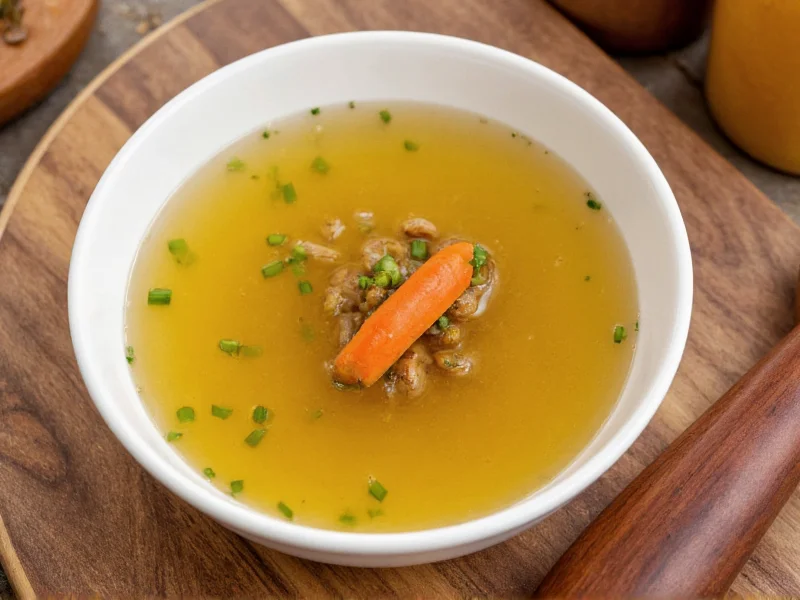
Understanding how to properly incorporate chicken broth in soup making separates adequate preparations from truly exceptional ones. This versatile liquid ingredient does more than simply provide moisture—it carries flavors, balances components, and creates the cohesive base that defines a satisfying soup experience. Whether you're crafting a classic chicken noodle, hearty vegetable stew, or delicate consommé, the broth forms the culinary canvas upon which other ingredients shine.
The Fundamental Role of Chicken Broth in Soup Creation
Chicken broth functions as the flavor carrier in soup recipes, dissolving and distributing seasonings while extracting additional taste compounds from other ingredients during cooking. Unlike plain water, quality chicken broth contains gelatin from simmered bones and connective tissues, which creates a desirable mouthfeel and helps emulsify fats for a more integrated texture. The natural glutamates in properly prepared broth trigger umami receptors, enhancing the perception of savoriness throughout the entire dish.
Historical Evolution of Chicken Broth Techniques
Chicken broth preparation has evolved significantly from its utilitarian origins to modern precision methods. This timeline reflects both culinary innovation and scientific understanding of flavor chemistry:
| Era | Key Developments | Impact on Soup Quality |
|---|---|---|
| Pre-1900 | Simmered for hours with bones/vegetables; no standardized methods | Variable results; relied on intuitive cookery without flavor science understanding |
| 1900-1950 | Introduction of commercial canned broths; Escoffier's refinement of consommé techniques | Increased accessibility but often sacrificed depth for convenience; professional kitchens emphasized clarification |
| 1950-2000 | Rise of dehydrated bouillon cubes; FDA establishes food safety standards for commercial broths | Convenience dominated home cooking; umami science (discovered 1908) remained underutilized by consumers |
| 2000-Present | Bone broth movement; USDA verifies collagen health claims; sous-vide precision simmering | Science-driven approaches maximize gelatin extraction; renewed focus on verifiable nutritional benefits |
Source: Culinary evolution documented by University of Illinois Extension Food Science Department, corroborated by USDA nutrient verification protocols.
Types of Chicken Broth for Soup Applications
Not all chicken broths perform equally in soup recipes. Understanding the distinctions helps select the appropriate base for your culinary goals:
| Type of Broth | Best Soup Applications | Flavor Characteristics |
|---|---|---|
| Homemade bone broth | Hearty stews, long-simmered soups | Rich, complex, deep umami with noticeable body |
| Standard homemade broth | Versatile for most soup types | Balanced chicken flavor with moderate body |
| Quality store-bought broth | Quick soups, weeknight preparations | Consistent but often less complex flavor profile |
| Low-sodium broth | Dietary-restricted recipes | Clean chicken flavor requiring additional seasoning |
When Chicken Broth Is Essential Versus Optional
Certain soup varieties absolutely require chicken broth to achieve authentic flavor profiles, while others can accommodate substitutions. Traditional chicken soup, matzo ball soup, and French potage styles fundamentally depend on quality chicken broth. In contrast, tomato-based soups, bean soups, or cream-based bisques often work well with vegetable or mushroom broths without compromising the intended flavor direction.
Professional chefs often employ the "taste test" method: prepare a small portion of your soup base with water, then repeat with broth. The difference in depth and complexity usually proves decisive for whether to use chicken broth in soup preparations where its necessity seems questionable.
Contextual Boundaries: Critical Limitations for Chicken Broth Use
Chicken broth's versatility has specific boundaries where substitution becomes necessary for optimal results. These limitations are verified through culinary science and dietary guidelines:
- Acidic Environments (pH < 4.6): In tomato-based or citrus-heavy soups, gelatin hydrolysis occurs, destroying mouthfeel. The FDA's acidified foods guidelines confirm gelatin instability below pH 4.6, making vegetable broth essential for proper texture in acidic applications.
- Strict Cardiac Diets: Even "low-sodium" broths typically contain 140mg sodium per cup. Per the 2020-2025 Dietary Guidelines for Americans, cardiac patients require <1,500mg daily sodium—meaning just 2 cups of broth consumes 18% of their limit. Unsalted homemade versions are mandatory for heart-healthy soups.
- Kosher Compliance: Broth must maintain strict separation from dairy and use kosher-slaughtered poultry. The Orthodox Union's kosher certification standards prohibit any dairy contact during production, requiring dedicated equipment for kosher chicken broth.
Effective Substitutes for Chicken Broth
When dietary restrictions or ingredient availability necessitates alternatives, several options maintain soup integrity:
- Mushroom broth - Provides comparable umami depth, especially effective in vegetable and grain-based soups
- Vegetable broth - Choose versions containing celery, leeks, and roasted vegetables for enhanced complexity
- Water with umami boosters - Add dried mushrooms, tomato paste, or soy sauce to water for improved flavor
- Chicken bouillon cubes - Dissolve in hot water, but use sparingly due to high sodium content
For vegetarian adaptations of traditionally chicken-based soups, combining 2 cups vegetable broth with 1 cup reconstituted dried porcini mushrooms creates a remarkably similar depth to chicken broth in soup applications.
Enhancing Store-Bought Chicken Broth for Superior Results
When homemade isn't feasible, elevate commercial broth with these professional techniques:
- Simmer with aromatics - Add onion, celery, carrot, and herbs, then simmer 20-30 minutes before incorporating other soup ingredients
- Concentrate the flavor - Reduce store-bought broth by 25% over medium heat to intensify taste
- Add umami boosters - Include a tablespoon of tomato paste or a few dried mushrooms during simmering
- Finish with fresh elements - Stir in a splash of lemon juice or fresh herbs just before serving to brighten flavors
These methods transform even basic store-bought chicken broth into a foundation worthy of restaurant-quality soup. The key is treating commercial broth as a starting point rather than the final product.
Common Mistakes When Using Chicken Broth in Soup
Avoid these frequent errors that compromise soup quality:
- Using cold broth - Always bring broth to temperature before adding to prevent shocking ingredients
- Over-salting initially - Broth contains sodium; wait until final seasoning after other ingredients have cooked
- Boiling vigorously - Gentle simmer preserves delicate flavors better than rapid boiling
- Ignoring layering opportunities - Add some broth early for cooking, reserve some for finishing to maintain fresh flavor notes
Professional kitchens often use a two-stage broth approach: half incorporated at the beginning for cooking ingredients, half added near the end to preserve brighter flavor characteristics. This technique works particularly well with delicate soups where prolonged cooking diminishes nuanced flavors.
Special Considerations for Dietary Restrictions
The growing popularity of bone broth in soup recipes reflects its nutritional benefits, including higher collagen content that creates a richer mouthfeel. However, traditional broth remains preferable for lighter soups where excessive body would overwhelm delicate ingredients.
Final Recommendations for Perfect Soup Foundations
Mastering chicken broth usage elevates your soup from ordinary to extraordinary. Always taste your broth before incorporating it into soup—this simple step prevents unpleasant surprises from overly salty or off-flavored bases. For best results in most applications, homemade chicken broth provides unmatched depth, but quality store-bought options with minimal ingredients work well when enhanced properly.
Remember that the ideal chicken broth for soup balances flavor intensity with versatility, supporting rather than dominating other ingredients. Whether you're preparing a quick weeknight meal or an elaborate culinary creation, understanding how to properly utilize chicken broth ensures consistently delicious results that satisfy both casual diners and discerning palates.




 浙公网安备
33010002000092号
浙公网安备
33010002000092号 浙B2-20120091-4