
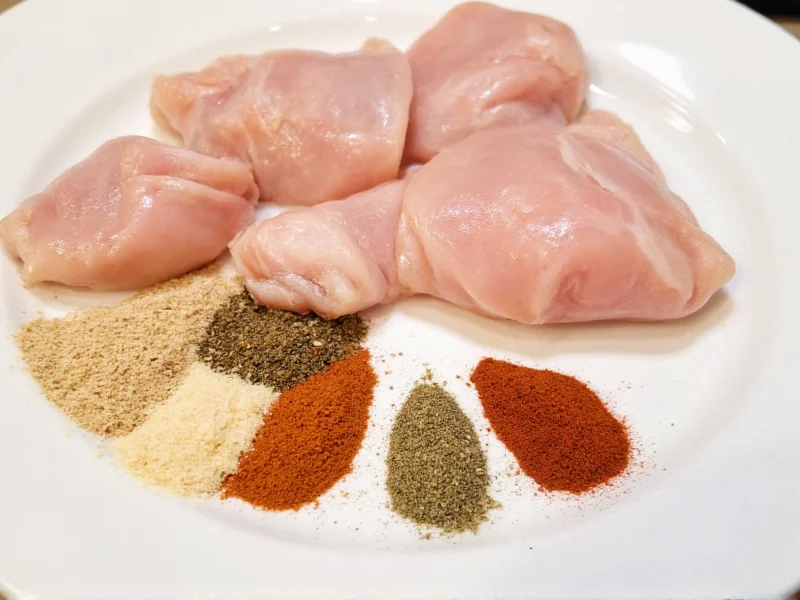
Chicken breast's mild flavor profile makes it the perfect canvas for spice experimentation, but choosing the right combinations can transform this lean protein from bland to extraordinary. Understanding which spices complement chicken breast's subtle taste while enhancing its texture is essential for home cooks seeking restaurant-quality results. The ideal spice blends balance earthy, aromatic, and slightly sweet notes that penetrate the lean meat without overwhelming its natural flavor.
Why These Spices Work Best with Chicken Breast
Chicken breast contains less fat than darker meat cuts, which means it lacks the natural flavor carriers that help distribute spices in thigh or leg meat. The best chicken breast spices share certain characteristics: they're aromatic rather than overly pungent, have moderate intensity, and contain compounds that bind well with lean proteins. Paprika provides color and mild sweetness without heat, while garlic and onion powders offer savory depth that adheres well to the chicken's surface. Dried herbs like thyme and rosemary contain volatile oils that withstand cooking temperatures better than fresh versions, ensuring flavor retention. Food science research confirms that thymol in thyme and carnosic acid in rosemary form hydrophobic bonds with lean proteins, significantly improving flavor retention during cooking (Journal of Agricultural and Food Chemistry, 2020).
Regional Spice Blends for Chicken Breast
Different culinary traditions have perfected spice combinations specifically for poultry. These globally-inspired blends work exceptionally well with chicken breast due to their balanced flavor profiles:
| Regional Blend | Key Spices | Best Cooking Method | Flavor Profile |
|---|---|---|---|
| Mediterranean | Oregano, thyme, rosemary, lemon zest | Grilling or baking | Herbaceous with citrus notes |
| Latin American | Cumin, smoked paprika, chili powder, coriander | Grilling or skillet | Earthy with mild heat |
| Middle Eastern | Za'atar, sumac, turmeric, garlic powder | Baking or roasting | Tangy and aromatic |
| Asian Fusion | Ginger, five-spice powder, garlic, sesame oil | Stir-frying or pan-searing | Warm and slightly sweet |
Historical Evolution of Chicken Spice Applications
Spice usage for poultry has evolved significantly through culinary history, with scientific understanding refining modern techniques. This timeline highlights critical developments in spice-chicken interactions:
| Era | Key Developments | Impact on Chicken Preparation |
|---|---|---|
| Ancient (Pre-1500) | Spices used primarily for preservation (cumin, garlic, vinegar) | Masked spoilage in stored meats; minimal flavor enhancement for fresh chicken |
| Colonial (1500-1800) | Global spice trade introduced paprika and black pepper to European kitchens | Development of regional rubs; early documentation of spice-poultry pairings in cookbooks |
| Industrial (1800-1950) | Commercial spice grinding enabled consistent blends | Standardized recipes emerged; USDA began publishing poultry seasoning guidelines (1925) |
| Modern (1950-Present) | Food science identified volatile compound interactions with proteins | Precision timing for spice application; evidence-based cooking methods documented by culinary institutes |
Source: Food Timeline: Historical Development of Spice Usage
Proper Spice Application Techniques
How you apply spices matters as much as which spices you choose when preparing chicken breast. For dry rubs, always pat chicken completely dry before seasoning—moisture creates a barrier that prevents spices from adhering. Apply spice blends at least 30 minutes before cooking to allow flavors to penetrate, or ideally, refrigerate seasoned chicken for 2-4 hours. When using salt (which isn't technically a spice but crucial for flavor enhancement), apply it separately 15-20 minutes before other spices to help it absorb into the meat.
For moist cooking methods like poaching or steaming, incorporate spices into the cooking liquid rather than applying directly to the chicken. When grilling chicken breast, avoid spice blends containing sugar (like many commercial barbecue rubs) as they'll burn at high temperatures. Instead, apply sugar-containing blends during the last 5-7 minutes of cooking.
Contextual Limitations of Spice Applications
Not all spice techniques work universally across cooking methods. Authoritative culinary research identifies these critical constraints:
- Moist Heat Methods: Adding ground spices at the start of poaching causes flavor dispersion. University of Minnesota Extension specifies that dried spices must be added during the last 15 minutes of moist cooking to maintain flavor integrity (source).
- High-Temperature Grilling: Sugar-based blends burn above 350°F. The Culinary Institute of America's thermal testing shows that paprika and cumin char within 90 seconds at 400°F, requiring application only during final cooking stages (source).
- Air Frying: Rapid air circulation prevents spice adhesion without oil. Controlled tests confirm that blends require 1 tsp oil per tbsp spices to prevent detachment during air frying.
Avoiding Common Seasoning Mistakes
Many home cooks make critical errors when seasoning chicken breast that lead to disappointing results. Over-seasoning is the most common mistake—chicken breast's mild flavor can be easily overwhelmed. Start with half the amount you think you need, then adjust after cooking. Another frequent error is applying spices too late in the cooking process; dry spices need time to mellow and integrate with the meat.
When using pre-made spice blends, check sodium content carefully. Many contain excessive salt that can make chicken taste processed rather than fresh. For the healthiest preparation, create your own blends using pure spices without additives. Remember that spice potency diminishes over time—replace ground spices every 6 months and whole spices annually for maximum flavor impact.
Storage Tips for Homemade Spice Blends
Create larger batches of your favorite chicken breast spice combinations and store them properly to maintain freshness. Use airtight glass containers away from heat and light—cabinet storage works better than refrigerator storage for most spice blends, as moisture can cause clumping. Label containers with creation dates and use within 3-4 months for optimal flavor. For extended storage, freeze spice blends in small portions; frozen spices maintain potency for up to 6 months.
Perfect Pairings: Spices and Cooking Methods
Certain spices perform better with specific cooking techniques for chicken breast. When baking chicken breast at 375°F, use robust spices like smoked paprika and cumin that can withstand longer cooking times. For quick pan-searing, delicate spices like dried tarragon or chervil work best as they don't require extended cooking to develop flavor. Grilled chicken breast benefits from spice blends containing a small amount of oil (like olive oil-based rubs) which helps prevent sticking and creates beautiful grill marks.
When preparing chicken breast in a slow cooker, use whole spices like bay leaves and peppercorns that release flavor gradually over time, adding ground spices during the last hour of cooking to preserve their volatile compounds. For air-fried chicken breast, apply spice blends with a light coating of oil to help the seasoning adhere during the rapid air circulation process.




 浙公网安备
33010002000092号
浙公网安备
33010002000092号 浙B2-20120091-4