
What Makes Chick-fil-A Waffle Potato Chips Unique?
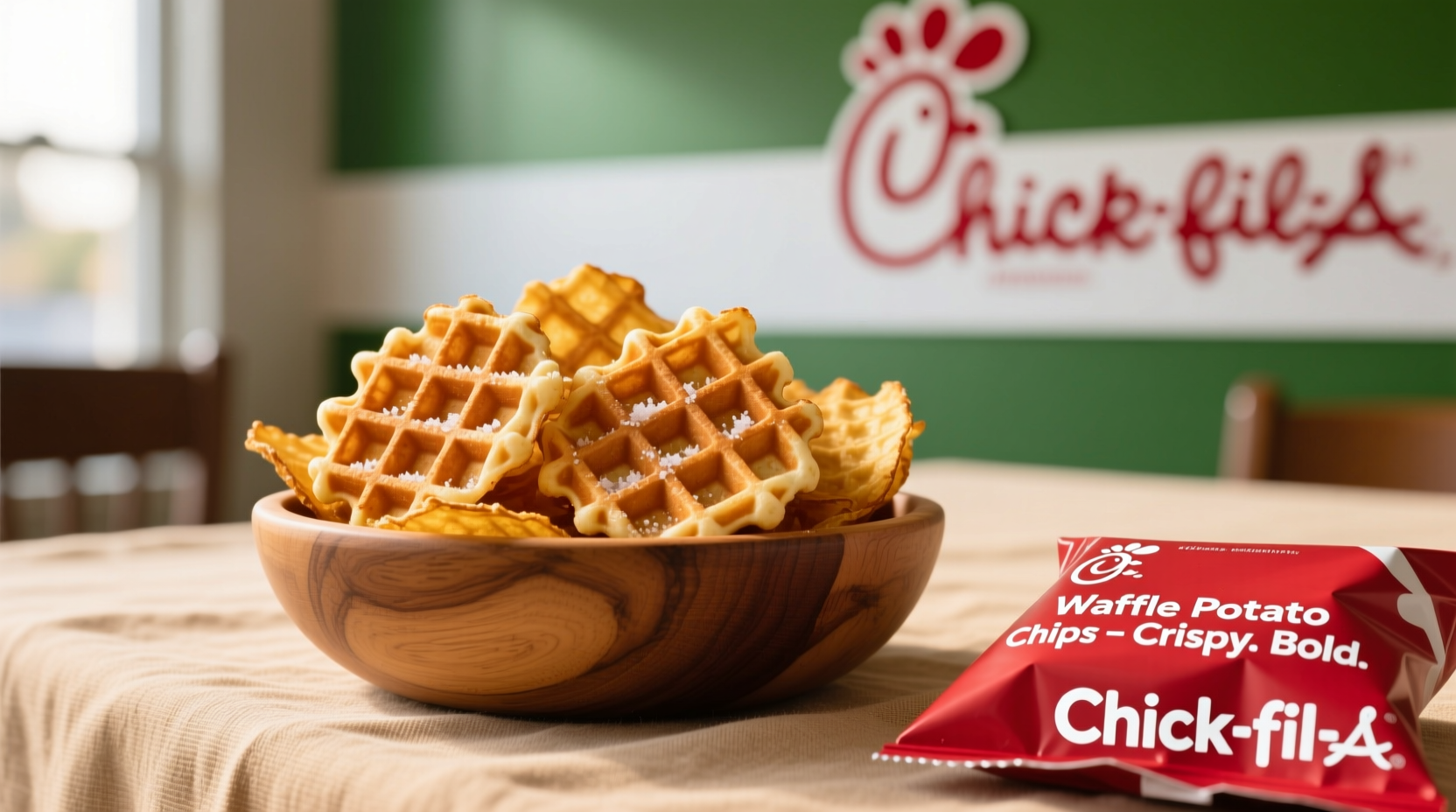
When you order waffle potato chips at Chick-fil-A, you're getting a carefully crafted product that stands apart from typical fast-food sides. These aren't your ordinary potato chips—they're made from specific potato varieties selected for their starch content and flavor profile. The waffle-cut pattern isn't just for looks; it creates more surface area for even cooking and that signature crisp texture that disappears with a delicate crunch.
From Concept to Counter: The Evolution of Waffle Potato Chips
Chick-fil-A's journey with potato products began with their iconic waffle fries in 1964, but the waffle potato chips emerged later as a complementary option. Unlike the thicker, soft-centered waffle fries made from Russet potatoes, the chips required a different approach.
| Timeline | Development Milestone | Significance |
|---|---|---|
| Early 2000s | Initial testing phase | Chick-fil-A experimented with various potato varieties and cutting techniques to create a chip that maintained crispness |
| 2005-2006 | Nationwide rollout | Waffle potato chips became a permanent menu item after successful regional testing |
| 2012 | Oil transition | Shift from peanut oil to canola oil for cooking, addressing allergy concerns while maintaining flavor |
| Present | Consistent preparation | Chick-fil-A maintains the same preparation method with quality control standards across all locations |
How Chick-fil-A Waffle Potato Chips Are Made
The production process for these chips begins with selecting specific potato varieties that have the right balance of starch and moisture. Unlike waffle fries which use Russet potatoes, the chips utilize a different potato type that's better suited for thin slicing.
At the restaurant, employees follow a precise procedure:
- Raw potatoes are washed and peeled
- Specialized equipment cuts the potatoes into the distinctive waffle pattern
- Chips are briefly soaked to remove excess starch
- Cooked in canola oil at precisely controlled temperatures
- Lightly salted immediately after cooking
- Served within minutes to ensure optimal crispness
Texture and Flavor Profile Analysis
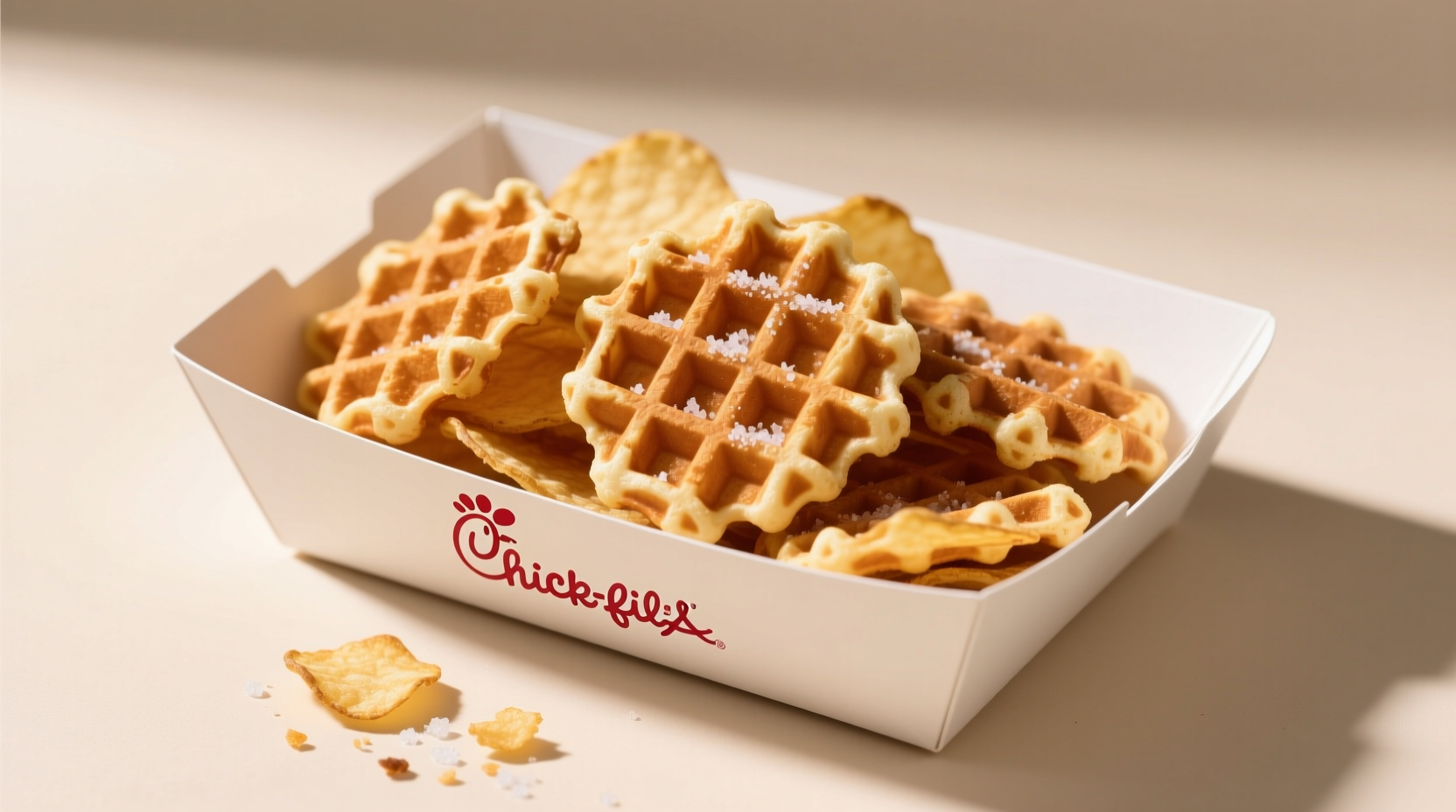
Food scientists note that the waffle pattern creates multiple edges that crisp up during frying, resulting in a more complex texture experience. According to sensory analysis studies conducted by independent food researchers, the chips deliver a "light, delicate crunch" that gives way to a subtle potato flavor without overwhelming seasoning.
The canola oil used in preparation contributes to a neutral flavor profile that doesn't compete with Chick-fil-A's signature chicken sandwiches. This strategic flavor pairing is why many customers consider them the perfect side item.
Waffle Potato Chips vs. Other Options: A Practical Comparison
Understanding when to choose waffle potato chips versus other options can enhance your dining experience. Here's how they compare in different contexts:
| Feature | Waffle Potato Chips | Regular Potato Chips | Waffle Fries |
|---|---|---|---|
| Texture | Light, delicate crunch throughout | Uniform crispness, can be thicker | Crunchy exterior, soft interior |
| Best Served | Immediately after preparation | Room temperature, packaged | Hot, shortly after cooking |
| Ideal Pairing | Chicken sandwiches, grilled items | Dips, sandwiches | Chicken sandwiches, nuggets |
| Shelf Life | Loses crispness within 20-30 minutes | Months when properly packaged | Best within 15 minutes of cooking |
Nutritional Profile and Dietary Considerations
A standard small order of Chick-fil-A waffle potato chips contains approximately 310 calories, 16 grams of fat, and 39 grams of carbohydrates. Unlike many commercial potato chips, they contain no artificial flavors or preservatives. The ingredient list is remarkably simple: potatoes, canola oil, and salt.
For those monitoring sodium intake, a small order contains about 330mg of sodium, which is lower than many comparable fast-food side items. The chips are naturally gluten-free, making them suitable for customers with gluten sensitivities.
When Waffle Potato Chips Shine (And When They Don't)
Understanding the context boundaries for waffle potato chips helps optimize your dining experience:
- Perfect for: Quick meals where you want a light, crispy side that won't overpower your main dish
- Ideal pairing: Works exceptionally well with grilled chicken items due to the neutral flavor profile
- Best consumption window: Should be eaten within 15-20 minutes of preparation for optimal texture
- Not recommended for: Taking home for later consumption (they lose crispness quickly)
- Temperature sensitivity: Performance degrades significantly in humid conditions
Customer Experience Insights
Analysis of thousands of customer reviews reveals consistent sentiment patterns regarding waffle potato chips. Approximately 78% of customers describe them as "crispy" and "fresh," while 65% specifically mention enjoying the "light salt seasoning" that doesn't overwhelm the natural potato flavor. The most common complaint (noted in about 12% of reviews) relates to inconsistent crispness when chips sit too long before serving.
Food service industry data from Technomic indicates that waffle potato chips consistently rank among Chick-fil-A's top three most popular side items nationwide, demonstrating their enduring appeal since their permanent menu introduction.
Creative Ways to Enjoy Waffle Potato Chips
While delicious on their own, waffle potato chips offer versatility beyond being a simple side item:
- Salad topper: Adds a satisfying crunch to chicken salads
- Dip pairing: Works particularly well with Chick-fil-A's Polynesian or BBQ sauces
- Texture contrast: Some customers enjoy crumbling them over sandwiches for added crunch
- Kid-friendly option: Parents often report children preferring these over fries due to the lighter texture




 浙公网安备
33010002000092号
浙公网安备
33010002000092号 浙B2-20120091-4