
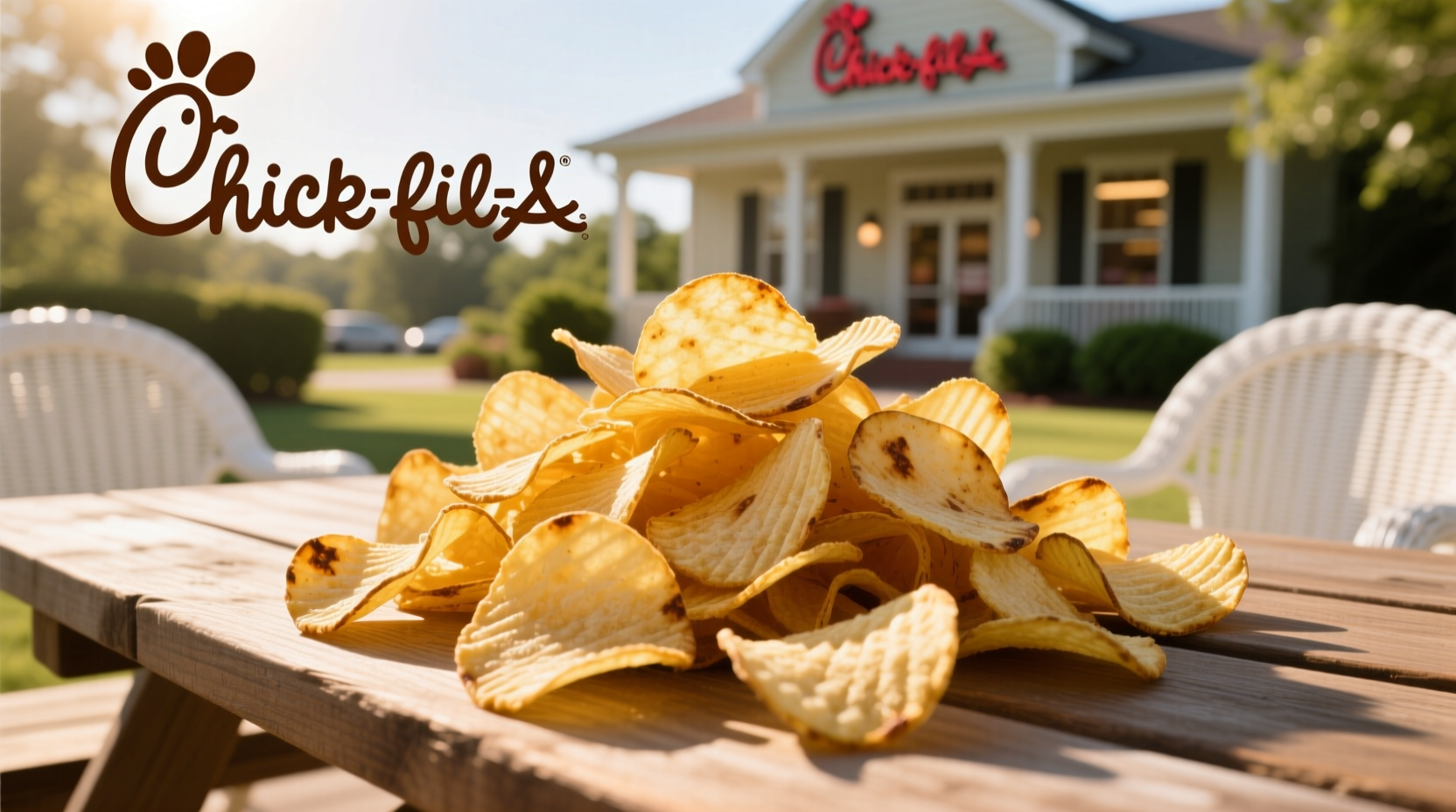
For fans of Chick-fil-A's addictive crispy snack, understanding what makes these potato chips unique—and why you can't find them on grocery shelves—is essential knowledge. Let's explore the facts behind this popular menu item that has generated countless online searches and copycat recipes.
What Chick-fil-A Potato Chips Actually Are (Not What You Think)
Despite widespread speculation, Chick-fil-A doesn't manufacture their own potato chips. The company partners with Waffle Street Foods, a specialty snack producer based in Georgia, to create their signature kettle-cooked chips. These aren't the thick, wavy chips some customers imagine—they're actually thin, crispy, and remarkably consistent across all locations.
The confusion often stems from Chick-fil-A's famous waffle fries, which are made from fresh potatoes prepared in-house daily. Many customers assume the same process applies to the chips, but this isn't the case. The potato chips arrive at restaurants fully cooked and packaged, ready to be served.
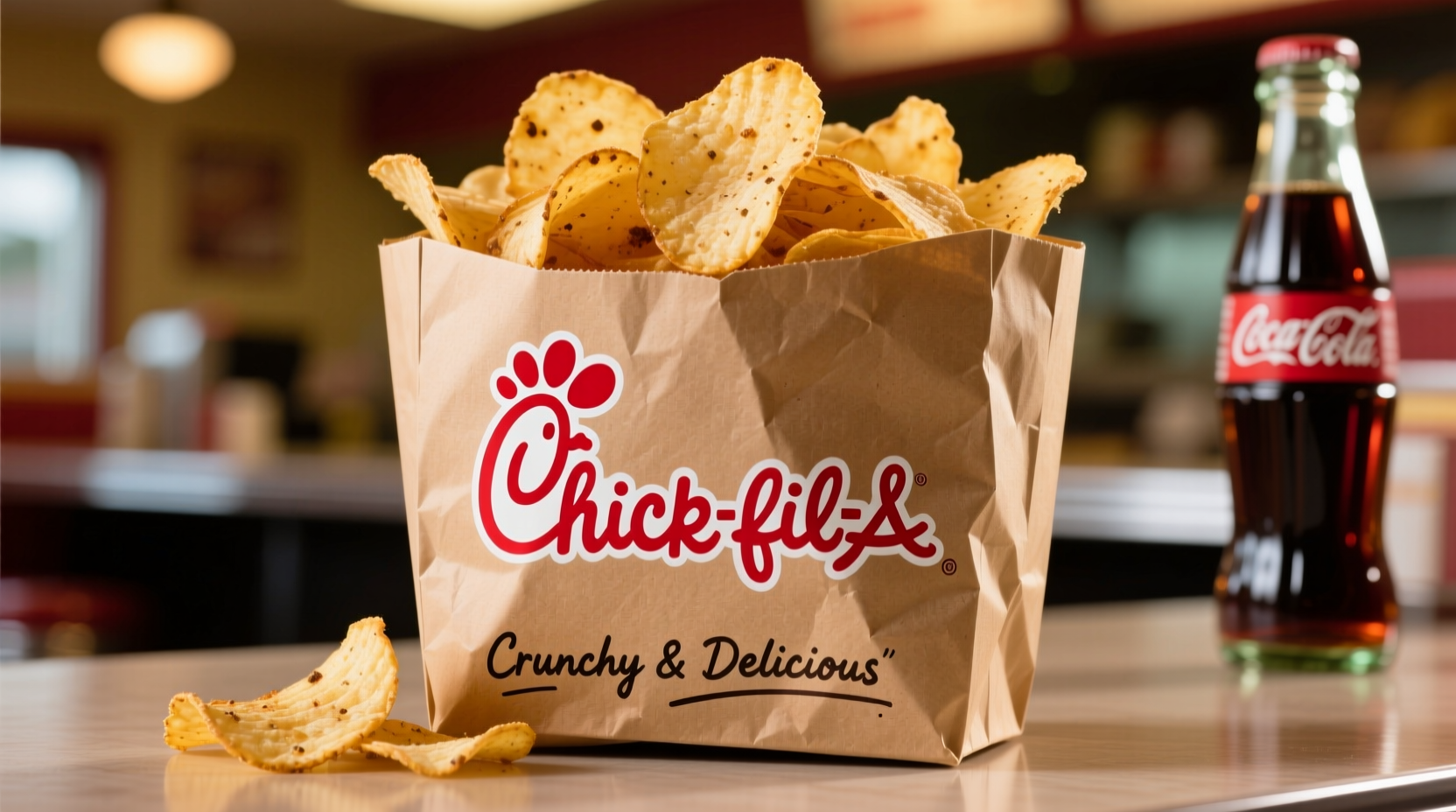
Breaking Down the Simple Ingredients
Chick-fil-A maintains remarkable ingredient transparency for their potato chips. According to their official nutrition information, the complete ingredient list contains only:
- Potatoes
- Sunflower and/or canola oil
- Salt
This minimalist approach contrasts sharply with many commercial potato chip brands that include additional flavorings, preservatives, and anti-caking agents. The absence of artificial ingredients contributes significantly to their clean taste profile that customers appreciate.
Why You Can't Buy Chick-fil-A Potato Chips in Stores
One of the most frequently asked questions about these popular chips is why they aren't available for retail purchase. The answer lies in Chick-fil-A's exclusive partnership with Waffle Street Foods, which produces the chips specifically for restaurant use under a private label agreement.
| Availability Factor | Chick-fil-A Potato Chips | Regular Grocery Store Chips |
|---|---|---|
| Where to Purchase | Chick-fil-A restaurants only | Grocery stores nationwide |
| Private Label | Yes, exclusive formulation | No, branded products |
| Ingredient Simplicity | 3 ingredients | 5-10+ ingredients typically |
| Shelf Life | Short (served same day) | Months |
This exclusivity creates what food industry experts call a "menu-only allure" – when customers can't purchase a product elsewhere, it increases its perceived value and drives restaurant visits. The chips' limited availability has spawned numerous copycat recipes online, though none perfectly replicate the original.
How Chick-fil-A Potato Chips Compare to Popular Brands
Understanding how these restaurant-exclusive chips measure against familiar grocery store options helps explain their popularity. While taste is subjective, certain objective differences stand out:
- Thickness: Thinner than kettle-cooked brands like Kettle Brand but thicker than standard thin chips
- Crispness: Maintains crunch longer than many commercial chips due to cooking method
- Flavor Profile: Clean potato taste without overpowering seasoning
- Fat Content: Slightly lower fat content than many premium kettle chips
Nutritionally, a small serving (1 oz) contains approximately 150 calories, 10g fat, and 170mg sodium – comparable to other quality kettle-cooked chips but with simpler ingredients.
The Evolution of Chick-fil-A's Potato Chip Offering
While waffle fries have been a Chick-fil-A staple since the 1960s, potato chips are relative newcomers to the menu. Understanding their timeline provides context for their current popularity:
- 2014: Initial regional testing in select markets begins
- Early 2016: Positive customer response leads to expanded testing
- August 2016: Nationwide rollout completed
- 2018-2020: Become one of the most requested side items, second only to waffle fries
- 2022: Introduction of limited-time flavored variations for promotional periods
This relatively recent addition explains why some long-time customers don't recall them from earlier visits. The strategic introduction followed careful market research showing customer demand for a lighter alternative to their famous waffle fries.
Practical Information for Chip Enthusiasts
If you're planning to enjoy authentic Chick-fil-A potato chips, keep these practical considerations in mind:
- They're only available during regular restaurant hours (not 24/7 at all locations)
- Most locations offer them as a side with meals or as a standalone item
- They pair particularly well with Chick-fil-A's signature sauces
- Unlike waffle fries, they maintain crispness longer when taken to go
- Seasonal promotions sometimes feature limited-edition chip flavors
For those attempting to recreate the experience at home, focus on using high-quality potatoes, proper oil temperature (350°F), and minimal seasoning. While you won't achieve identical results without the commercial equipment, you can get close to that satisfying crunch.
Addressing Common Misconceptions
Over the years, several myths have developed around Chick-fil-A's potato chips. Let's clarify the most persistent ones:
- Myth: They're made from the same potatoes as the waffle fries Fact: Different potato varieties are used for each product
- Myth: The recipe contains secret seasonings Fact: Only salt is added; no proprietary seasoning blend
- Myth: They're baked, not fried Fact: They're kettle-cooked in oil, making them fried
- Myth: You can special-order them for events Fact: Not available for catering or special orders
These clarifications help set realistic expectations for customers who've heard conflicting information online.




 浙公网安备
33010002000092号
浙公网安备
33010002000092号 浙B2-20120091-4