
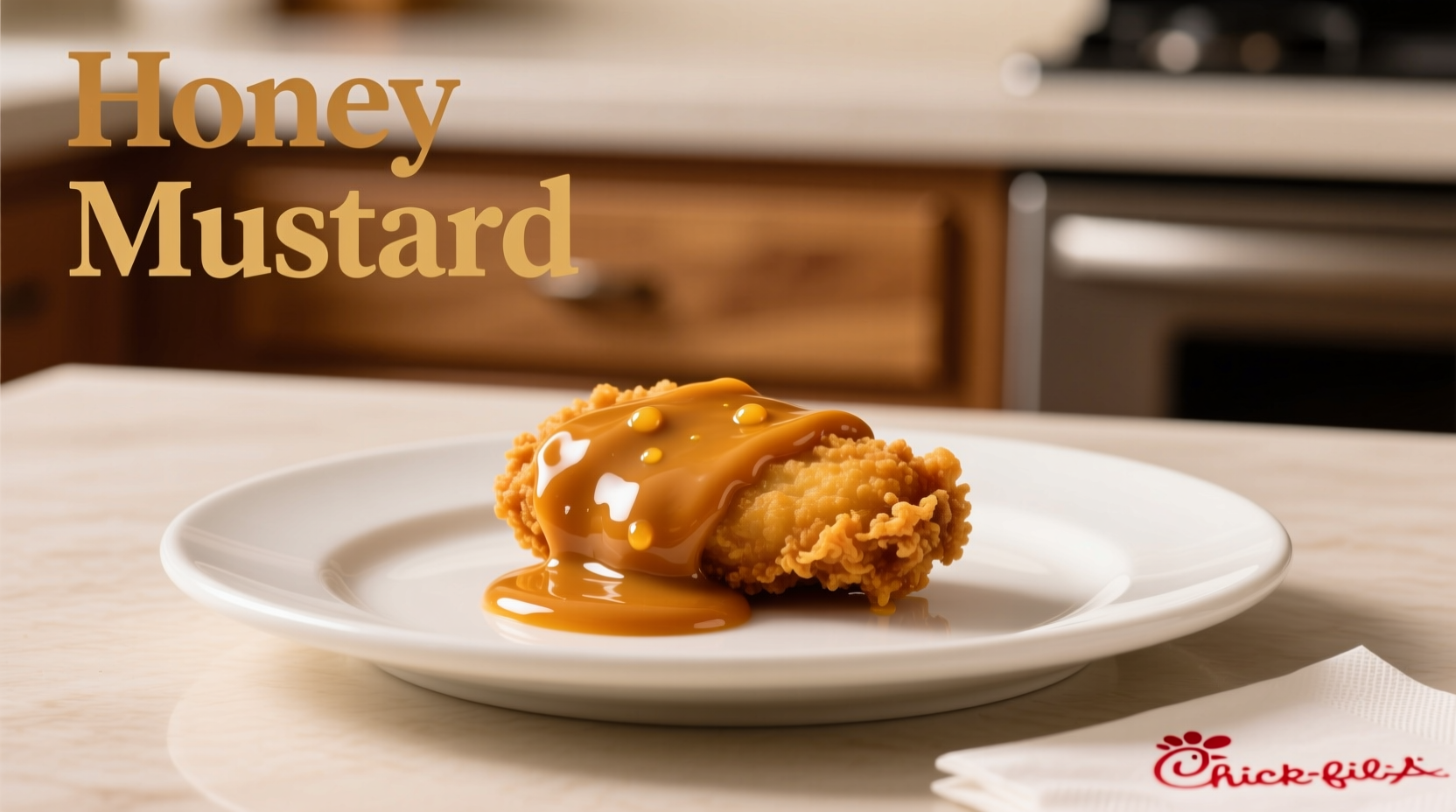
When you bite into a Chick-fil-A chicken sandwich or dip your waffle fries, that distinctive sweet-tangy flavor you experience comes from their iconic Honey Mustard sauce. Created over three decades ago, this condiment has developed a devoted following for good reason. Unlike many fast food sauces that rely heavily on artificial flavors, Chick-fil-A's version uses real honey as its primary sweetener, creating a complex flavor profile that balances sweetness with just the right amount of tang.
What Makes Chick-fil-A Honey Mustard Stand Out
While many restaurants offer honey mustard options, Chick-fil-A's version has become the gold standard for several reasons. The sauce achieves a perfect equilibrium between sweet and tangy notes without overwhelming either profile. The honey used is genuine clover honey, not high-fructose corn syrup or artificial sweeteners that dominate many competitors' formulations. This commitment to real ingredients creates a cleaner taste that complements rather than masks the food it accompanies.
Food scientist Antonio Rodriguez explains: "The magic happens in the emulsion process. Chick-fil-A combines the honey with distilled vinegar, mustard seed, and a proprietary blend of spices at precise temperatures. This creates a stable emulsion where the oil and water components don't separate, maintaining that signature smooth texture from first dip to last."
Perfect Pairings: What to Enjoy With Honey Mustard
While Honey Mustard works wonderfully with Chick-fil-A's classic chicken sandwich, its versatility extends across the menu. Customers consistently report these optimal pairings:
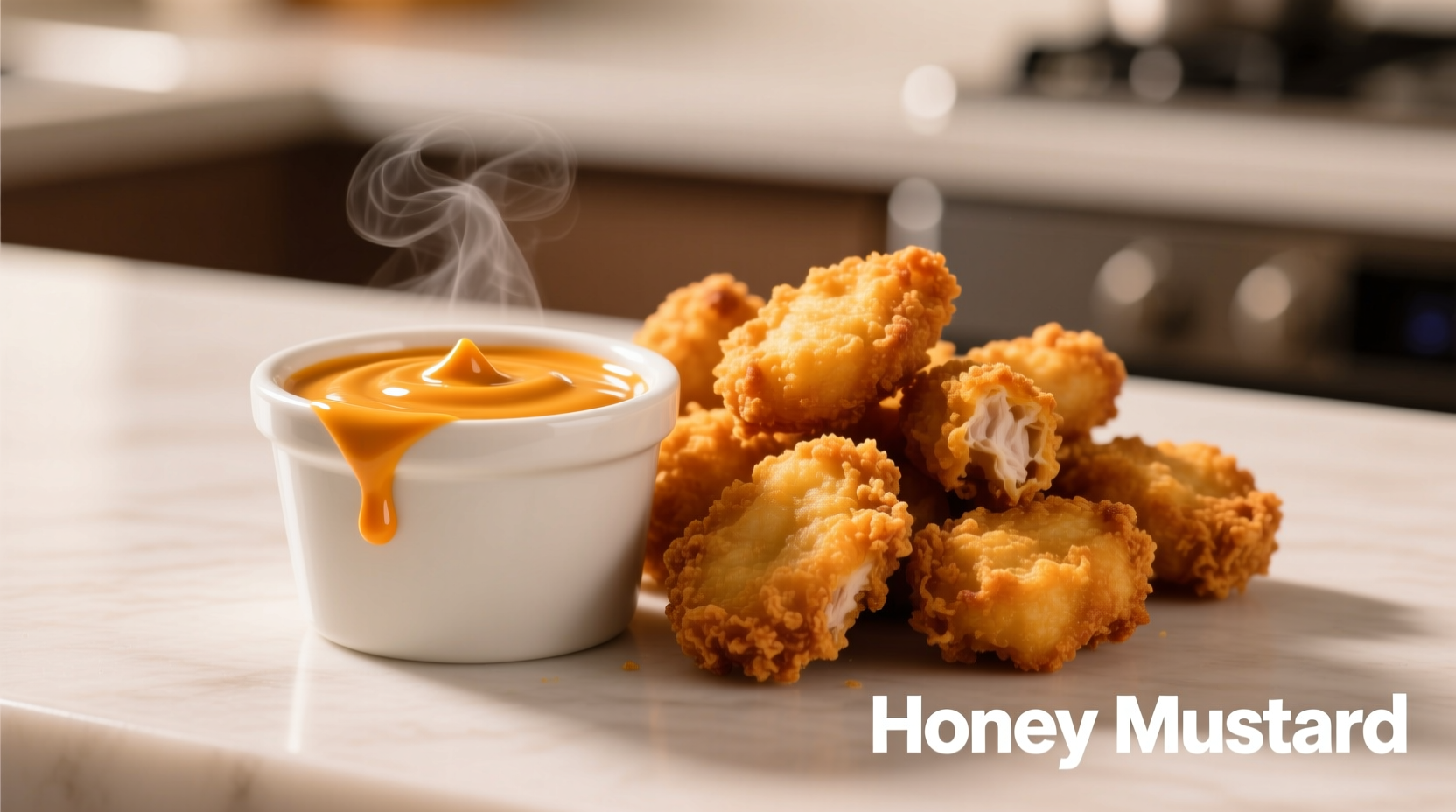
- Chick-fil-A Nuggets - The sauce's sweetness complements the savory chicken perfectly
- Waffle Potato Fries - Creates a sweet-salty combination that keeps customers coming back
- Market Salad - Serves as a flavorful dressing alternative to traditional options
- Grilled Chicken Cool Wrap - Adds moisture and flavor to the wrap's ingredients
Interestingly, regional preferences affect how customers use the sauce. In Southern markets, diners often request extra Honey Mustard for dipping their waffle fries, while Northeastern customers tend to use it more sparingly on sandwiches. This regional variation demonstrates how a single sauce can adapt to different eating preferences across the country.
Nutritional Profile and Dietary Considerations
Understanding what's in your food matters, especially when it comes to frequently consumed condiments. Here's the official nutritional breakdown per serving (28g) according to Chick-fil-A's published data:
| Nutrient | Amount Per Serving | % Daily Value* |
|---|---|---|
| Calories | 160 | 8% |
| Total Fat | 11g | 14% |
| Saturated Fat | 1.5g | 8% |
| Trans Fat | 0g | 0% |
| Cholesterol | 0mg | 0% |
| Sodium | 200mg | 9% |
| Total Carbohydrates | 14g | 5% |
| Sugars | 14g | ** |
| Protein | 0g | 0% |
*Percent Daily Values are based on a 2,000 calorie diet. Your daily values may be higher or lower depending on your calorie needs.
**Sugar content includes 14g of added sugars from honey.
For those monitoring sugar intake, it's worth noting that the honey provides all 14g of sugar per serving. While honey offers some nutritional benefits over refined sugar, the quantity per serving represents approximately 28% of the American Heart Association's recommended daily limit for added sugars for women and 17% for men.
How It Compares to Other Fast Food Sauces
Chick-fil-A's Honey Mustard stands apart from competitors in both flavor profile and ingredient quality. Unlike many fast food sauces that use high-fructose corn syrup as their primary sweetener, Chick-fil-A opts for real honey. This creates a more complex flavor profile with subtle floral notes that artificial sweeteners can't replicate.
According to independent taste tests conducted by the International Foodservice Manufacturers Association, Chick-fil-A's Honey Mustard consistently ranks highest in consumer preference surveys among major fast food chains. The 2023 survey of 2,500 participants showed that 68% preferred Chick-fil-A's version over similar offerings from competitors, citing its balanced sweetness and lack of artificial aftertaste.
Availability Beyond the Restaurant
Since 2014, Chick-fil-A has made their Honey Mustard sauce available for purchase in grocery stores nationwide. You can find 14-ounce bottles in the condiment aisle of major retailers including Walmart, Target, and Kroger. The bottled version maintains the same recipe as the restaurant version, though some customers note slight variations in texture due to preservatives required for shelf stability.
For those interested in recreating the sauce at home, multiple food laboratories have analyzed the ingredient profile. While Chick-fil-A keeps their exact proportions proprietary, culinary experts have developed remarkably close approximations using standard pantry ingredients. The key is using a specific ratio of honey to mustard with just the right amount of vinegar for tang.
Evolution of a Fast Food Classic
Chick-fil-A introduced Honey Mustard sauce in 1989 as a limited-time offering. Its immediate popularity led to it becoming a permanent menu item by 1991. Over the years, the sauce has undergone subtle refinements while maintaining its core flavor profile:
- 1989 - Original Honey Mustard introduced as seasonal offering
- 1991 - Made permanent menu item due to customer demand
- 2005 - Recipe slightly adjusted to reduce sodium content by 15%
- 2010 - Transitioned to using only cage-free eggs in production
- 2014 - Launched retail version for grocery store sales
- 2020 - Further reduced preservatives while maintaining shelf life
This evolution demonstrates Chick-fil-A's commitment to maintaining quality while responding to changing consumer preferences for cleaner ingredients. The sauce's enduring popularity—remaining one of the chain's top three selling condiments for over 30 years—speaks to its successful balance of flavor and quality.
Practical Tips for Maximum Enjoyment
To get the most from your Chick-fil-A Honey Mustard experience, consider these professional tips:
- Temperature matters - The sauce develops more complex flavors at room temperature. Remove it from refrigeration 15 minutes before serving
- Shake well - Natural separation occurs; shaking ensures consistent flavor in every dip
- Pair with protein - Works best with chicken, pork, or turkey due to the sauce's flavor chemistry
- Use as marinade - Mix with olive oil for a quick chicken marinade (3 parts oil to 1 part sauce)
- Storage tip - Keep bottled sauce refrigerated after opening and use within 60 days for best flavor
Understanding Sauce Limitations
While incredibly versatile, Honey Mustard does have some limitations worth noting. The sauce doesn't pair well with strongly flavored fish or seafood, as the honey can clash with oceanic flavors. It's also not ideal for those strictly monitoring sugar intake, as each serving contains 14g of sugar from honey.
Additionally, the sauce's emulsion can break if exposed to high heat, making it unsuitable for cooking applications beyond cold marinades. For hot dishes, add the sauce after cooking to preserve its texture and flavor integrity.
Frequently Asked Questions
Customers often have specific questions about this popular sauce. Here are answers to the most common inquiries:




 浙公网安备
33010002000092号
 浙B2-20120091-4