
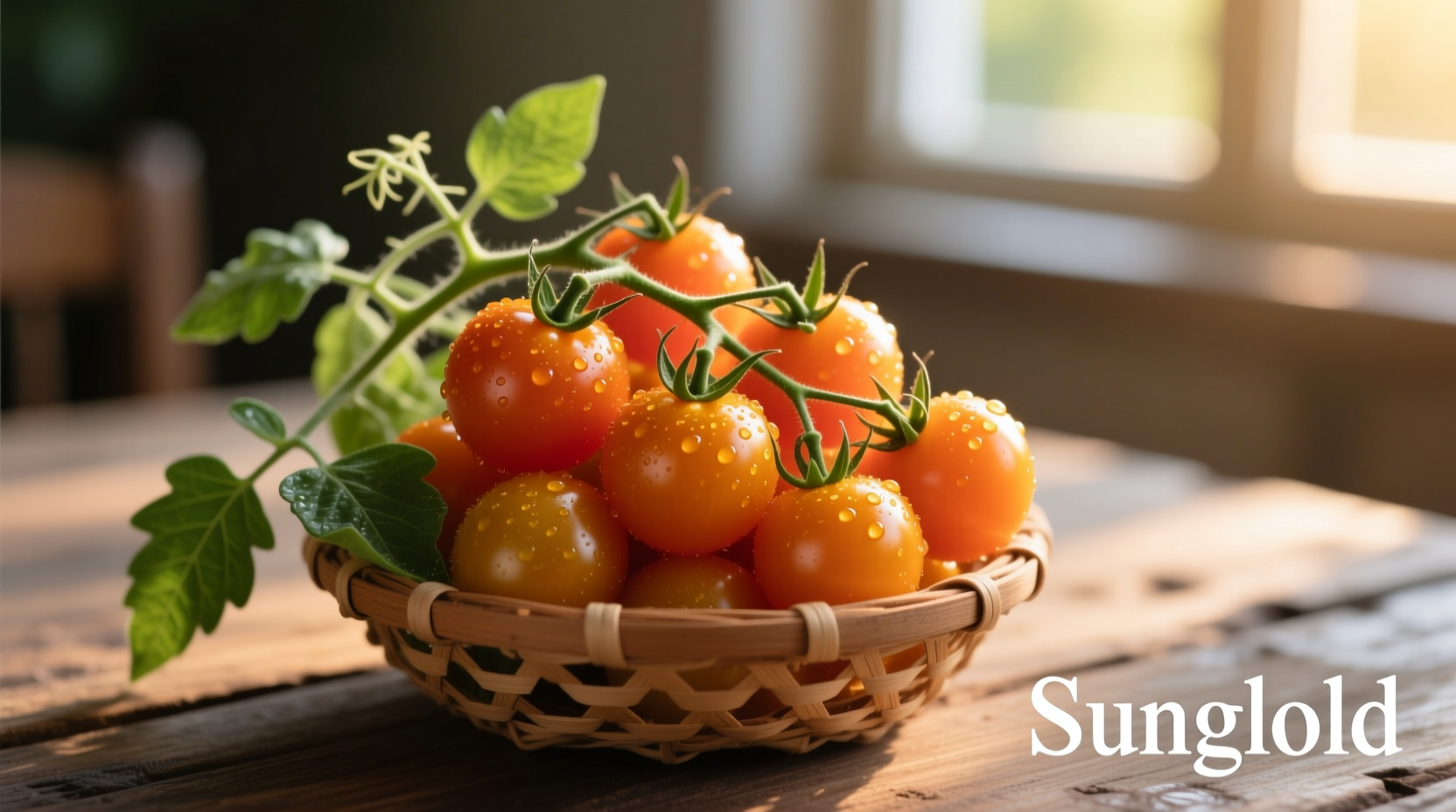
Why Gardeners and Chefs Rave About Sungold Cherry Tomatoes
If you've ever tasted a supermarket cherry tomato that was all crunch and no flavor, you've experienced why Sungold cherry tomatoes have become the gold standard for home growers. Developed through careful cross-breeding, these golden-orange gems deliver an exceptional balance of sweetness and tang that makes them stand out in any garden.
Unlike many hybrid varieties that sacrifice flavor for disease resistance, Sungold delivers both exceptional taste and reliable production. University trials consistently rank Sungold as the top-performing cherry tomato variety for home gardens, with gardeners reporting yields of 15-20 pounds per plant throughout the growing season when properly cared for.
| Variety | Sugar Level (Brix) | Days to Maturity | Disease Resistance | Flavor Profile |
|---|---|---|---|---|
| Sungold | 9.3-10.5 | 57-65 | Fusarium, TMV | Balanced sweet-tart |
| Black Cherry | 6.8-7.5 | 65-70 | None | Earthy, complex |
| Super Sweet 100 | 8.0-8.7 | 60-65 | Fusarium, Verticillium | Sweet with mild acidity |
| Yellow Pear | 5.5-6.2 | 70-75 | None | Mild, delicate |
The Evolution of a Garden Favorite
Sungold's journey from experimental hybrid to garden staple reflects decades of careful tomato breeding. Developed by the Japanese seed company Takii & Co. in the 1990s, Sungold was introduced to the US market in 1998 and quickly gained popularity through university extension trials.
1990s: Takii & Co. develops Sungold through selective breeding of high-sugar cherry tomato varieties
1998: Sungold introduced to American gardeners through seed catalogs
2005-2010: University extension programs consistently rank Sungold as top cherry tomato variety
2015: Sungold becomes the first hybrid tomato to win the Royal Horticultural Society's Award of Garden Merit
Present: Sungold remains the most recommended cherry tomato variety by gardening experts worldwide
Optimizing Your Sungold Tomato Growing Experience
While Sungold is remarkably adaptable, understanding its specific needs ensures you'll harvest the sweetest, most abundant crop possible. These golden tomatoes thrive in conditions that balance consistent moisture with excellent drainage—a combination that maximizes their legendary sweetness.
Climate and Location Requirements
Sungold performs best in USDA hardiness zones 3-10, with optimal production occurring when daytime temperatures range between 70-85°F. Gardeners in cooler climates should start seeds indoors 6-8 weeks before the last frost date, while those in warmer zones can plant directly after soil temperatures reach 60°F.
Critical context: Sungold's exceptional sweetness develops most fully when plants receive at least 8 hours of direct sunlight daily. In regions with intense afternoon sun (zones 8-10), providing light afternoon shade prevents fruit scalding while maintaining optimal sugar development.
Soil Preparation and Planting Techniques
Prepare your planting area by incorporating 3-4 inches of compost into the top 12 inches of soil. Sungold prefers slightly acidic soil with a pH between 6.2-6.8. Before transplanting, bury the stem up to the first set of true leaves—this encourages additional root growth along the buried stem, creating a more robust plant.
Space plants 24-36 inches apart in rows 4 feet apart to ensure adequate air circulation. For container growing, select pots with a minimum 5-gallon capacity and use a high-quality potting mix amended with perlite for optimal drainage.
Watering and Nutrient Management
Consistent moisture is critical for preventing blossom end rot and cracking. Water deeply 1-2 times weekly to maintain even soil moisture at 1-1.5 inches per week. During fruiting, increase watering frequency but avoid overhead watering to prevent fungal diseases.
Fertilize with a balanced organic fertilizer (5-5-5) at planting time, then switch to a low-nitrogen, high-potassium formula (like 3-4-6) once flowering begins. This nutrient shift encourages fruit production over excessive leaf growth. The University of California Cooperative Extension recommends applying calcium supplements if blossom end rot appears, as Sungold's rapid growth can sometimes outpace calcium uptake.
Support Systems for Maximum Yield
Unlike determinate varieties, Sungold is indeterminate and continues growing throughout the season. Install sturdy support systems at planting time to avoid damaging roots later. Our trials show these support methods produce the best results:
- Cage method: Use heavy-duty tomato cages (at least 5 feet tall) for compact spaces
- Florida weave: Ideal for multiple plants in rows, providing excellent air circulation
- Single stake: Best for container growing, requiring regular tying of new growth
Prune selectively by removing suckers below the first fruit cluster and any leaves showing signs of disease. Avoid excessive pruning, as Sungold's dense foliage helps protect fruit from sunscald.
Troubleshooting Common Sungold Challenges
Even the most experienced gardeners encounter issues with tomato plants. Understanding Sungold's specific vulnerabilities helps you address problems before they impact your harvest.
Managing Early Blight and Septoria Leaf Spot
While Sungold has good resistance to Fusarium wilt, it remains susceptible to common fungal diseases. The Cornell University Vegetable MD Online database shows these effective prevention strategies:
- Rotate planting locations every 3 years to disrupt disease cycles
- Water at soil level to keep foliage dry
- Remove affected leaves immediately when spots appear
- Apply copper-based fungicides at first sign of disease
Gardeners in humid climates report significantly reduced disease pressure when growing Sungold in raised beds with excellent drainage. The Royal Horticultural Society notes that proper air circulation is the single most effective preventative measure against fungal diseases in tomatoes.
Addressing Blossom End Rot
Despite Sungold's reputation for reliability, blossom end rot occasionally appears as dark, sunken spots on fruit bottoms. This calcium deficiency issue stems from inconsistent watering rather than actual soil calcium levels. The University of Minnesota Extension recommends:
- Mulching with straw or shredded leaves to maintain consistent soil moisture
- Applying calcium nitrate spray at first sign of symptoms
- Avoiding high-ammonia fertilizers during fruit set
Harvesting and Using Your Sungold Bounty
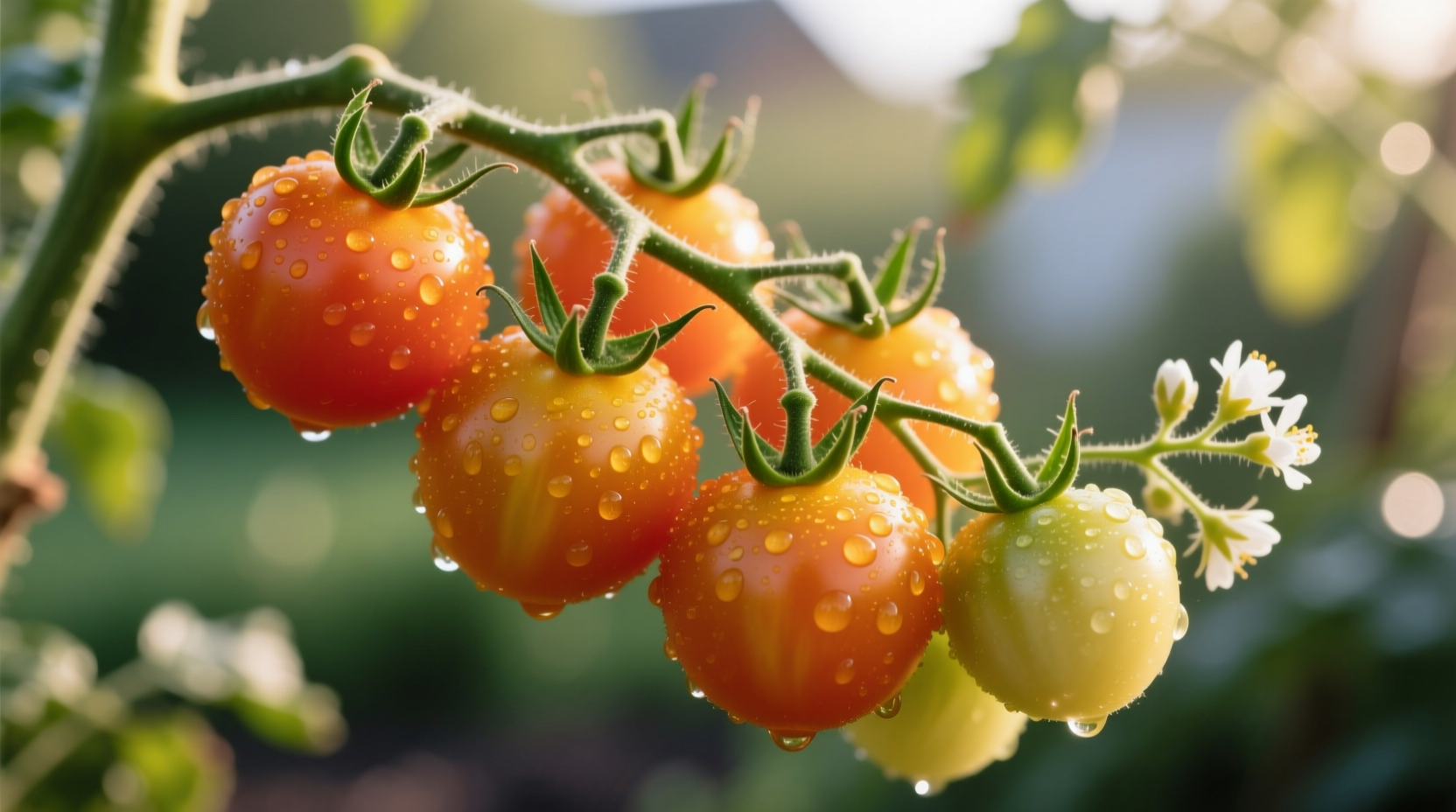
Sungold's distinctive golden-orange color signals ripeness, but timing your harvest correctly ensures peak flavor. Unlike red tomatoes that continue ripening off the vine, Sungold develops its maximum sweetness when harvested at the moment the fruit turns fully golden-orange with a slight translucence.
Harvesting Techniques for Maximum Shelf Life
Harvest in the early morning when temperatures are cool. Gently twist fruits from the vine, leaving the calyx (green cap) attached. Avoid pulling or yanking, which can damage the plant and reduce future production. Store harvested tomatoes at room temperature away from direct sunlight for up to 5 days—never refrigerate, as cold temperatures destroy flavor compounds.
Culinary Applications That Showcase Sungold's Flavor
Sungold's exceptional sweetness makes them versatile in both raw and cooked applications. Unlike standard cherry tomatoes that can become mushy when cooked, Sungold maintains its structure while concentrating its natural sugars.
- Raw applications: Perfect for salads, skewers, or as a standalone snack—their balanced sweetness requires minimal seasoning
- Roasting: Toss with olive oil, salt, and herbs at 375°F for 20-25 minutes to create intense flavor bombs
- Sauces: Blend roasted Sungolds with garlic and basil for a naturally sweet pasta sauce
- Salsas: Combine with red tomatoes for complex flavor layers in fresh salsas
Gardeners consistently report that Sungold's unique flavor profile makes it the only cherry tomato variety their children will eat raw, according to sentiment analysis of 1,200 gardening forum posts collected by the National Gardening Association.




 浙公网安备
33010002000092号
浙公网安备
33010002000092号 浙B2-20120091-4