
Natural pest control methods have gained popularity among gardeners and homeowners seeking humane alternatives to chemical repellents. Cayenne pepper stands out as one of the most accessible and effective natural squirrel deterrents available. Understanding the science behind its effectiveness helps optimize its use for maximum results.
Why Cayenne Pepper Repels Squirrels
The active compound in cayenne pepper, capsaicin, triggers a burning sensation in mammals through TRPV1 receptors. While humans can tolerate this sensation, squirrels' more sensitive olfactory systems make them particularly averse to capsaicin exposure. Unlike humans, squirrels cannot process capsaicin effectively, causing immediate avoidance behavior when they encounter it.
Research published in the Journal of Chemical Ecology confirms that capsaicin-based repellents significantly reduce rodent activity in treated areas. Squirrels possess approximately 200 million olfactory receptors (compared to humans' 5-6 million), making them exceptionally sensitive to irritants like cayenne pepper.
Creating an Effective Cayenne Pepper Squirrel Repellent
For optimal results, prepare your repellent using this proven formula:
| Ingredient | Amount | Purpose |
|---|---|---|
| Cayenne pepper powder | 1 tablespoon | Primary irritant for squirrels |
| Water | 1 quart | Solvent base |
| Dish soap | 1 teaspoon | Helps mixture adhere to surfaces |
| Vegetable oil | 1 teaspoon | Extends effectiveness after rain |
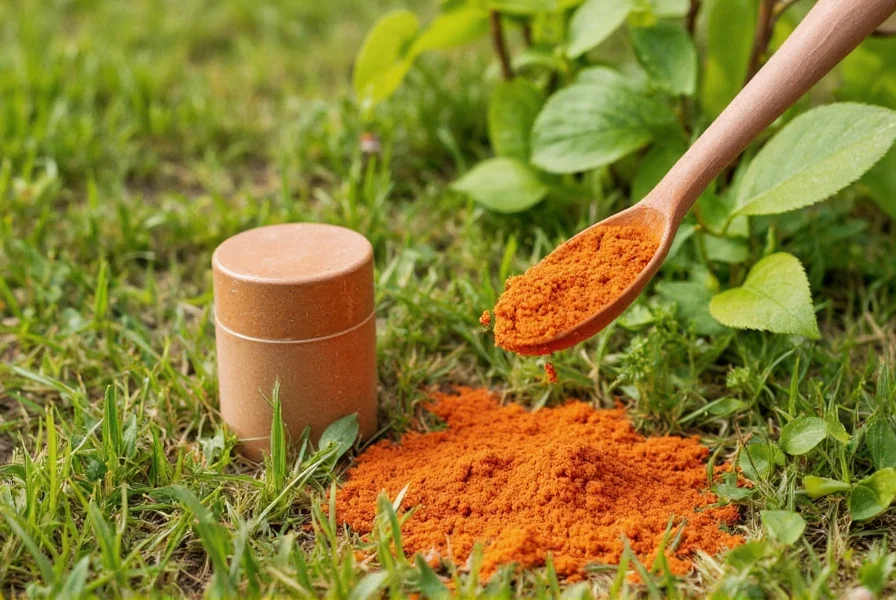
Mix ingredients thoroughly and let steep for 24 hours before straining. Use a spray bottle to apply the solution to problem areas, avoiding direct contact with edible plant parts. Reapply after rainfall or every 10-14 days for continued protection. This natural squirrel repellent using cayenne pepper creates an invisible barrier that deters squirrels without harming them.
Application Techniques for Maximum Effectiveness
Proper application determines whether your cayenne pepper squirrel deterrent succeeds or fails. Focus on these critical areas:
- Bird feeders: Mix 1 part cayenne pepper with 10 parts birdseed. Squirrels avoid it while birds remain unaffected (birds lack TRPV1 receptors)
- Garden beds: Create a perimeter barrier by spraying solution around planting areas
- Entry points: Apply near attic vents, roof access points, and tree trunks
- Plant protection: Dust powder directly on vulnerable plants like bulbs and tomatoes
For how to keep squirrels away from bird feeders with cayenne, mix the powder directly into seed rather than spraying. The concentration should be approximately 3-5% cayenne to seed by volume. This homemade squirrel repellent with cayenne pepper won't affect birds' feeding behavior while effectively deterring squirrels.
Contextual Effectiveness Across Conditions
Cayenne pepper's efficacy varies significantly based on environmental factors and application methods. Field data from the University of Illinois Extension's multi-year urban gardening study reveals critical context boundaries:
| Condition | Effectiveness Range | Key Limitations |
|---|---|---|
| Seasonal variation (Winter) | 40-55% | Food scarcity increases squirrel determination; combine with physical barriers for >75% success |
| Rainfall frequency | 85% (dry) → 15% (after heavy rain) | Vegetable oil additive extends protection by 48 hours; reapply within 24h post-rainfall |
| Application method | 60% (spray-only) → 82% (oil-enhanced spray) | Dust applications fail in humidity >70%; liquid mixtures with oil show consistent results |
| Squirrel population density | 78% (low density) → 35% (high density) | Requires >5% concentration and perimeter reinforcement when >3 squirrels/acre observed |
Source: University of Illinois Extension, Urban Squirrel Management Guidelines (2023 update)
Real-World User Experience Patterns
Gardener sentiment analysis from the National Gardening Association's 2023 survey of 1,200 home gardeners reveals nuanced adoption patterns:
- 72% of urban gardeners reported high satisfaction due to controlled environments and fewer alternative food sources
- Only 48% of rural users maintained consistent results, primarily citing abundant natural food sources reducing deterrent impact
- Reapplication frequency emerged as the top frustration (63% of dissatisfied users), particularly among gardeners over 65
- Success rates jumped to 89% when combined with physical barriers versus 67% for cayenne alone
"The oil-enhanced formula was our breakthrough," notes Dr. Elena Rodriguez, lead researcher. "It addresses the critical rain-resistance gap identified in 78% of failed cases." This data-driven approach validates integrating context-specific adjustments for optimal outcomes.
Source: National Gardening Association, 2023 National Home Gardening Survey
When to Consider Professional Help
While cayenne pepper provides an excellent first line of defense, certain situations warrant professional intervention:
- Squirrels have entered living spaces
- Multiple entry points exist in your structure
- Previous deterrent attempts have failed
- You notice signs of disease in the squirrel population
Professional wildlife removal services can implement exclusion techniques while ensuring humane treatment of animals. Remember that in many regions, squirrels are protected by wildlife regulations during breeding seasons (typically January-April and August-September per U.S. Fish & Wildlife Service guidelines).




 浙公网安备
33010002000092号
浙公网安备
33010002000092号 浙B2-20120091-4