
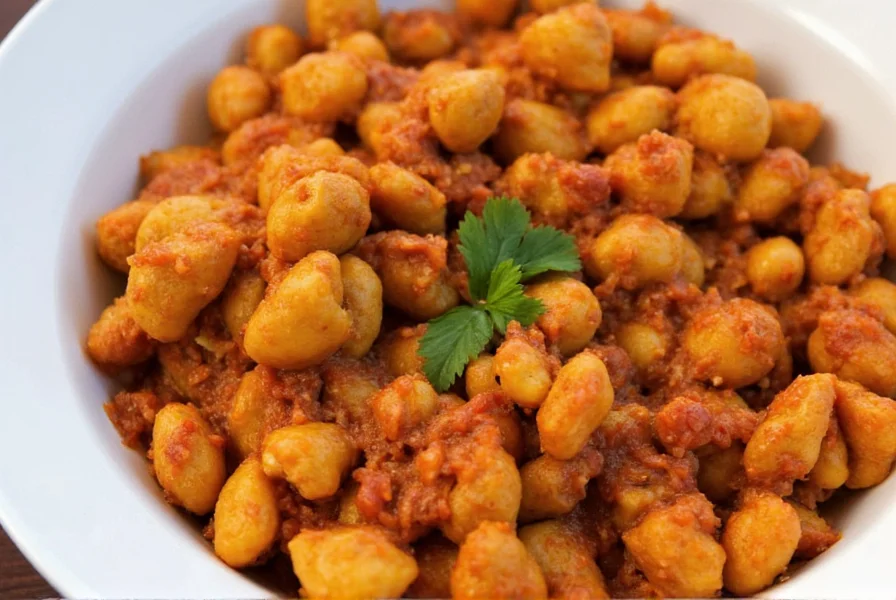
Known for its distinctive heat and vibrant color, cayenne pepper transforms ordinary dishes into extraordinary culinary experiences. This dried chili powder, made from Capsicum frutescens varieties, delivers a Scoville heat rating between 30,000-50,000 units—significantly hotter than paprika but milder than habanero. Understanding how to incorporate cayenne pepper dishes into your cooking repertoire can elevate flavors while providing potential health benefits.
The Culinary Power of Cayenne Pepper
Cayenne pepper isn't just about heat—it contributes complex flavor notes that enhance various cooking applications. Unlike fresh chilies, dried cayenne offers consistent potency and longer shelf life. Professional chefs value it for its ability to cut through rich flavors, balance sweetness, and add dimension to sauces and rubs. When used judiciously, cayenne creates a warming sensation without overwhelming other ingredients.
Health Benefits Beyond Heat
Capsaicin, the active compound in cayenne pepper, has been studied for potential metabolic benefits. Research suggests it may temporarily increase thermogenesis—the body's heat production process—which could support healthy metabolism. Additionally, cayenne contains vitamin A, vitamin C, and antioxidants that contribute to overall wellness. These properties make cayenne pepper dishes not only flavorful but potentially beneficial when consumed as part of a balanced diet.
The Historical Journey of Cayenne Pepper
Cayenne's global culinary integration reflects centuries of agricultural adaptation and cultural exchange. Originating in the Americas, its adoption timeline reveals how trade networks transformed regional ingredients into universal staples. This evolution directly informs modern usage patterns and flavor pairings.
| Era | Key Development | Culinary Impact |
|---|---|---|
| 6,000+ years ago | First domestication in Mesoamerica | Indigenous preservation techniques and flavor foundations |
| 1493 | Columbus introduces chili peppers to Europe | Replaced expensive black pepper in European cuisines |
| 16th century | Spread to Africa and Asia via Portuguese trade routes | Integration into curries, stews, and spice blends globally |
| 1870 | Standardized cayenne powder production in the US | Enabled consistent heat levels for commercial and home cooking |
Source: University of Illinois Extension: Chili Peppers History and Cultivation
Mastering Cayenne in Your Kitchen
Successful incorporation of cayenne requires understanding its behavior in different cooking methods:
| Cooking Method | Cayenne Application | Recommended Amount |
|---|---|---|
| Dry Rubs | Mix with other spices before applying to proteins | 1/4-1/2 tsp per pound of meat |
| Sauces & Soups | Add early to distribute heat evenly | 1/8-1/4 tsp per serving |
| Roasted Vegetables | Toss with oil and cayenne before roasting | 1/4 tsp per pound of vegetables |
| Baking | Combine with dry ingredients for even distribution | 1/8-1/4 tsp per recipe |
Signature Cayenne Pepper Dishes
These carefully selected recipes demonstrate cayenne's versatility across meal types. Each dish balances heat with complementary flavors to create memorable culinary experiences.
Classic Cayenne-Infused Dishes
Spicy Roasted Sweet Potatoes with Cayenne
This simple side dish transforms humble sweet potatoes through the magic of cayenne. Toss cubed sweet potatoes with olive oil, 1/4 teaspoon cayenne, salt, and smoked paprika. Roast at 400°F until caramelized (25-30 minutes). The natural sweetness balances the heat perfectly, creating one of the most approachable cayenne pepper dishes for beginners.

Cayenne-Spiced Black Bean Soup
A hearty weeknight meal that showcases cayenne's ability to enhance legumes. Sauté onions, garlic, and 1/2 teaspoon cayenne in olive oil before adding black beans, vegetable broth, and diced tomatoes. Simmer for 20 minutes, then blend partially for texture. Top with avocado and lime. This healthy cayenne pepper dish delivers protein, fiber, and just the right amount of heat.
Cayenne Honey Glazed Salmon
An elegant main course demonstrating cayenne's compatibility with sweet elements. Whisk together 2 tablespoons honey, 1 tablespoon soy sauce, 1 teaspoon grated ginger, and 1/8 teaspoon cayenne. Brush over salmon fillets during the last 5 minutes of baking. The cayenne cuts through the richness while complementing the honey's sweetness—proof that authentic cayenne pepper dishes can be both sophisticated and simple.
Unexpected Cayenne Applications
Chocolate Cayenne Brownies
Surprise your guests with this sophisticated dessert featuring cayenne pepper in sweet dishes. Add 1/4 teaspoon cayenne to your favorite brownie recipe along with dark chocolate and espresso powder. The spice enhances chocolate's complexity without overwhelming heat. This unexpected combination creates a memorable finish to any meal.
Cayenne-Spiced Morning Smoothie
Start your day with metabolic benefits through this innovative cayenne pepper breakfast idea. Blend 1 banana, 1 cup spinach, 1/2 avocado, 1 cup almond milk, 1 teaspoon chia seeds, and a tiny pinch of cayenne (about 1/16 teaspoon). The mild heat stimulates circulation without overpowering the smoothie's creaminess.
Contextual Limitations: When Cayenne Falls Short
Despite its versatility, cayenne pepper has specific limitations where alternative approaches yield better results. Recognizing these constraints prevents culinary missteps and aligns with evidence-based cooking practices.
| Scenario | Limitation | Recommended Approach |
|---|---|---|
| Individuals with GERD or acid reflux | Capsaicin triggers esophageal irritation and increased gastric acid production | Substitute with smoked paprika; reduces reflux risk while maintaining depth (NIDDK, 2023) |
| Delicate dairy sauces (e.g., béchamel) | Heat overpowers subtle dairy notes and may cause bitterness | Use white pepper for gentle warmth that integrates seamlessly |
| Infant/toddler meals | Immature digestive systems cannot process capsaicin safely | Avoid entirely; use herbs like chives for flavor development |
Source: National Institute of Diabetes and Digestive and Kidney Diseases Dietary Guidelines for GERD
Cayenne Substitution Guide
When cayenne isn't available, these alternatives can work in a pinch:
| Substitute | Ratio | Best For |
|---|---|---|
| Crushed red pepper | 1:1 | Soups, sauces, pizza |
| Hot paprika | 1.5:1 | Rubs, roasted vegetables |
| Chipotle powder | 0.75:1 | Tex-Mex dishes, chili |
| Red pepper flakes | 0.5:1 | Pasta, pizza, finishing dishes |
Remember that substitutes vary in heat level and flavor profile. Always start with less than you think you need—you can always add more heat but cannot remove it once added.
Storage Tips for Maximum Freshness
To maintain potency in your cayenne pepper dishes, store your spice properly. Keep cayenne in an airtight container away from light and heat. Properly stored, it retains optimal flavor for 6-12 months. Test freshness by rubbing a small amount between your fingers—if the aroma is weak, it's time to replace. For extended shelf life, store in the freezer where it maintains potency for up to two years.
Perfecting Your Cayenne Technique
Master these professional tips for consistently excellent cayenne pepper dishes:
- Taste as you go: Add cayenne incrementally, tasting between additions
- Bloom the spice: Briefly cook cayenne in oil to mellow harsh notes
- Balance with acid: Counter excessive heat with lemon juice or vinegar
- Pair with dairy: Serve spicy dishes with yogurt or cheese to moderate heat
- Consider timing: Add early for integrated heat, late for sharper kick




 浙公网安备
33010002000092号
浙公网安备
33010002000092号 浙B2-20120091-4