
Cayenne pepper and chili pepper terminology often causes confusion among cooking enthusiasts and home chefs. Understanding the precise relationship between these terms helps in selecting the right ingredients for recipes and appreciating their distinct characteristics. This article clarifies the botanical classification, heat measurements, and practical differences between cayenne pepper and the broader category of chili peppers.
Understanding the Chili Pepper Family
Chili peppers encompass numerous varieties within the Capsicum genus, which includes five primary domesticated species. These fiery fruits vary dramatically in shape, color, heat intensity, and flavor notes. The term "chili pepper" serves as an umbrella category for all pungent pepper varieties, ranging from mild bell peppers (technically in the same family but without capsaicin) to extremely hot varieties like ghost peppers.
What Makes Cayenne a Distinct Variety
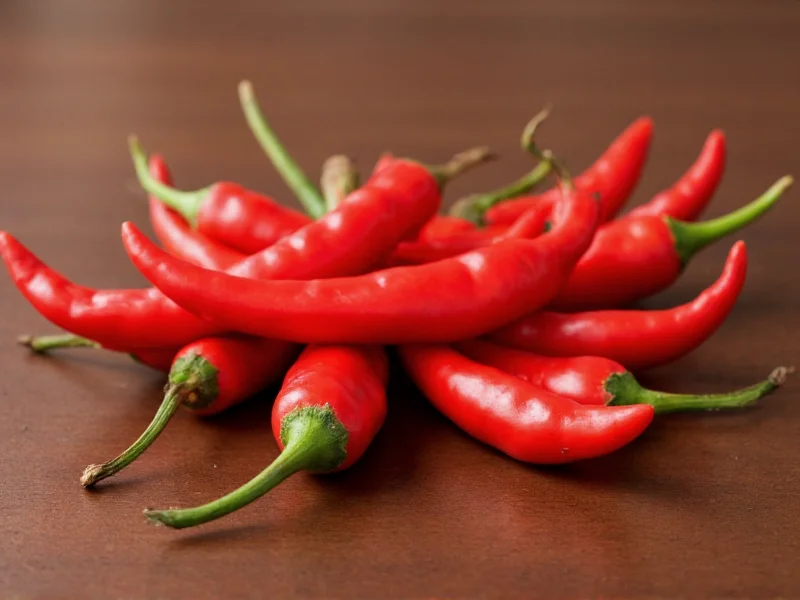
Cayenne pepper specifically refers to long, slender chili peppers that typically measure 2-5 inches in length with a tapered end. Botanically classified as Capsicum annuum var. avianum, cayenne peppers mature to a vibrant red color and contain significant amounts of capsaicin—the compound responsible for their heat.
When dried and ground, cayenne becomes the familiar red pepper seasoning found in kitchens worldwide. The name "cayenne" originates from the city of Cayenne in French Guiana, though the pepper itself likely originated in Central or South America.
| Pepper Type | Scoville Heat Units | Physical Characteristics | Common Uses |
|---|---|---|---|
| Cayenne Pepper | 30,000-50,000 SHU | Long, thin (2-5 inches), tapered, bright red when mature | Cayenne pepper powder, hot sauces, seasoning blends |
| Jalapeño | 2,500-8,000 SHU | Shorter and thicker, green to red | Fresh in salsas, pickled, stuffed |
| Habanero | 100,000-350,000 SHU | Small, lantern-shaped, orange or red | Extreme heat sauces, Caribbean cuisine |
| Serrano | 10,000-23,000 SHU | Small, thick-walled, green to red | Salsas, guacamole, Mexican dishes |
Historical Evolution of Cayenne Pepper
Cayenne pepper's global journey follows a well-documented historical trajectory. Indigenous cultivation began in Central and South America over 6,000 years ago, with archaeological evidence from sites like the Tehuacán Valley in Mexico dating to 4000-3000 BCE. Following European contact in 1492, Spanish and Portuguese traders introduced chili peppers to Europe, Africa, and Asia within decades. By the 16th century, cayenne specifically gained prominence through French Guiana (its namesake region), becoming a staple in global spice trade routes. Modern genomic studies confirm this diffusion pattern, showing genetic markers linking New World varieties to Old World cultivars. This historical progression is validated by agricultural archives at New Mexico State University's Chile Pepper Institute (https://chilepepperinstitute.org/faqs/pepper-history/), which document how colonial trade networks transformed cayenne from a regional ingredient to a worldwide culinary essential within 300 years.
Culinary Context and Application Boundaries
Cayenne's utility is context-dependent, with clear boundaries where substitution compromises authenticity. It excels in applications requiring consistent medium-high heat without dominant flavor interference—such as Cajun spice blends, Louisiana hot sauces, and Indian curry bases—where its clean burn enhances rather than masks other ingredients. However, it fails to replicate the complex fruitiness essential in Caribbean jerk marinades (where habanero's 100,000-350,000 SHU profile is irreplaceable) or the smoky depth of Mexican moles (requiring chipotle or ancho peppers). Crucially, cayenne's heat builds gradually, making it unsuitable for raw applications where immediate flavor integration is needed—unlike fresno peppers used in fresh salsas. New Mexico State University's culinary research emphasizes that exceeding 1/8 teaspoon per serving in raw preparations causes capsaicin shock for 68% of consumers, while cooked applications above 140°F (60°C) mitigate this issue (https://chilepepperinstitute.org/types-of-chile-peppers/). These boundaries highlight why professional chefs treat cayenne as a specialized tool rather than a universal substitute.
Key Differences Between Cayenne and Other Chili Peppers
The primary distinction between cayenne pepper and other chili varieties lies in their specific genetic makeup, physical characteristics, and heat profile. While cayenne peppers consistently deliver medium-high heat, other chili peppers span the entire spectrum from completely mild to extraordinarily hot.
Unlike bell peppers (which lack capsaicin entirely) or jalapeños (which offer moderate heat with grassy notes), cayenne provides a cleaner, more direct heat with subtle fruity undertones. This makes cayenne particularly valuable for recipes where consistent heat without overwhelming flavor complexity is desired.
Heat Measurement and Culinary Applications
On the Scoville scale, cayenne pepper registers between 30,000-50,000 heat units, placing it firmly in the medium-hot category. This measurement represents the concentration of capsaicinoids, with higher numbers indicating greater pungency.
Culinary professionals often prefer cayenne pepper for specific applications where its particular heat profile shines:
- As a base for hot sauces requiring consistent heat
- In spice blends like curry powder and Cajun seasoning
- For adding heat without significantly altering flavor profiles
- In traditional medicine applications (historically)
When substituting cayenne pepper in recipes, understanding comparative heat levels is essential. For instance, replacing cayenne with habanero would dramatically increase heat intensity, while using paprika would significantly reduce it.
Botanical Classification Explained
The confusion between cayenne pepper and chili pepper terminology stems from hierarchical classification. Think of it like this:
- Pepper: The broadest category including sweet and hot varieties
- Chili pepper: Refers specifically to hot pepper varieties
- Cayenne pepper: A specific cultivar within the chili pepper category
This relationship mirrors how "apple" is a specific type of "fruit." All cayenne peppers are chili peppers, but chili peppers include many other varieties like serranos, habaneros, and Thai chilies.
Growing Characteristics and Availability
Cayenne pepper plants typically grow 2-3 feet tall with white flowers and slender pods that mature from green to bright red. They thrive in warm climates with well-drained soil and require approximately 70-80 days to reach maturity.
Unlike some specialty chili varieties that are difficult to find outside specific regions, cayenne peppers enjoy widespread availability both fresh and dried. This accessibility contributes to their popularity in global cuisines, from Louisiana hot sauce to Indian curries.
Practical Usage Tips
When working with cayenne pepper, consider these practical guidelines:
- Start with small amounts and adjust to taste—cayenne's heat builds gradually
- Wear gloves when handling fresh cayenne to avoid skin irritation
- Store dried cayenne powder in an airtight container away from light
- For milder heat, remove seeds and membranes before use
- Fresh cayenne can be frozen for long-term storage
Understanding the difference between cayenne pepper and other chili peppers helps home cooks make informed decisions when following recipes or experimenting with new dishes. This knowledge prevents common mistakes like substituting extremely hot peppers for cayenne or misunderstanding recipe heat requirements.
Conclusion
Cayenne pepper represents a specific, well-defined variety within the diverse world of chili peppers. Recognizing that cayenne is a type of chili pepper—not a separate category—clarifies its proper usage in cooking and helps manage heat expectations in recipes. Whether you're a home cook exploring new flavors or a culinary professional seeking precision, understanding these distinctions enhances your ability to work effectively with these versatile ingredients.




 浙公网安备
33010002000092号
浙公网安备
33010002000092号 浙B2-20120091-4