
Why This Comparison Matters for Your Diet
Choosing between cauliflower rice and white rice isn't just about taste—it's a decision that impacts your blood sugar levels, nutrient intake, and long-term health. As professional chefs and nutritionists increasingly recommend vegetable-based alternatives, understanding the real differences helps you make informed choices aligned with your dietary goals.
Nutritional Face-Off: The Numbers Don't Lie
Let's examine the core nutritional differences between one cup (about 150g) of each option. These figures come directly from the USDA FoodData Central database, the gold standard for nutritional information in the United States.
| Nutrient | Cauliflower Rice (1 cup) | White Rice (1 cup) | Difference |
|---|---|---|---|
| Calories | 25 | 205 | 92% lower |
| Total Carbohydrates | 5g | 45g | 89% lower |
| Dietary Fiber | 2g | 0.6g | 233% higher |
| Protein | 2g | 4g | 50% lower |
| Vitamin C | 52mg | 0mg | 100% higher |
| Calcium | 22mg | 10mg | 120% higher |
Taste and Texture: Setting Realistic Expectations
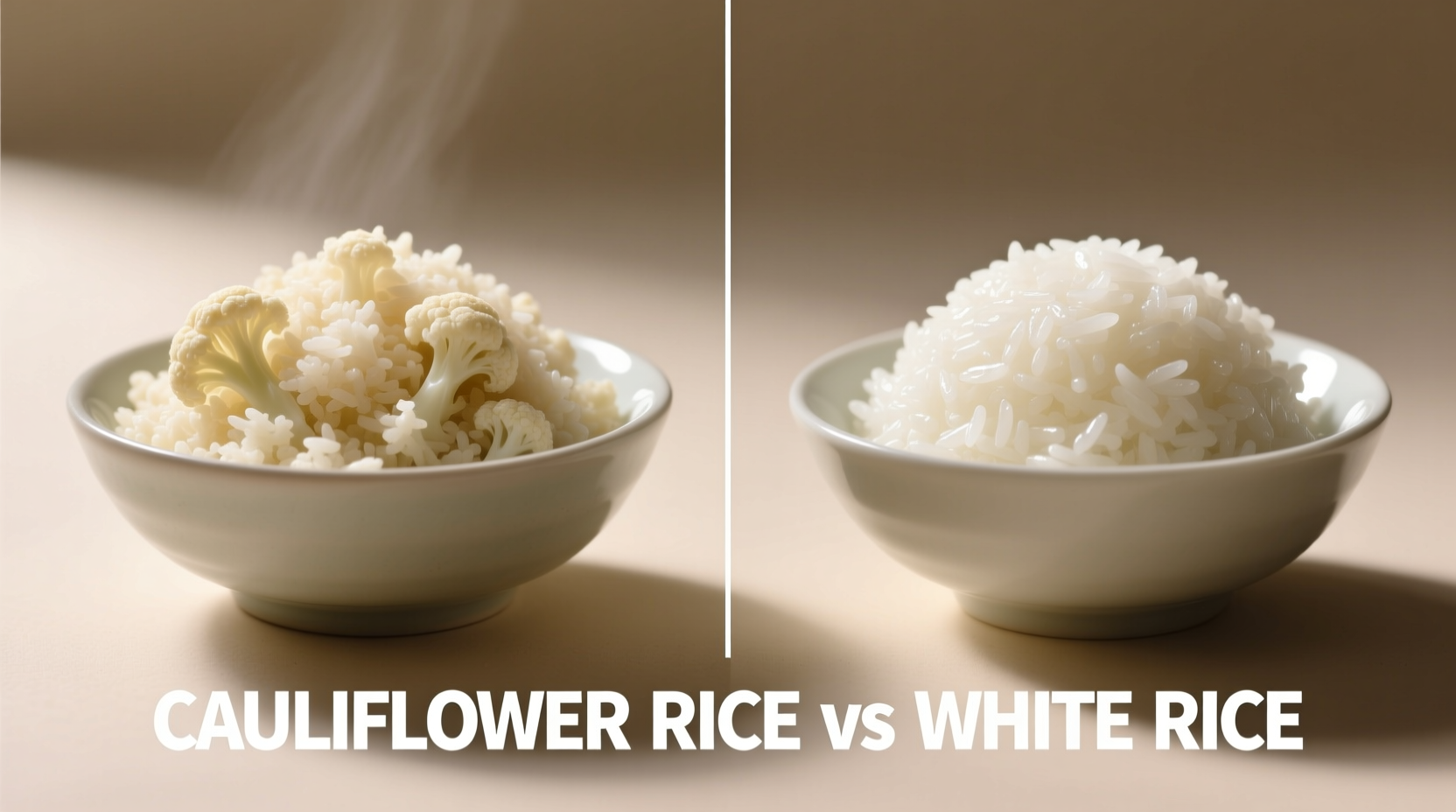
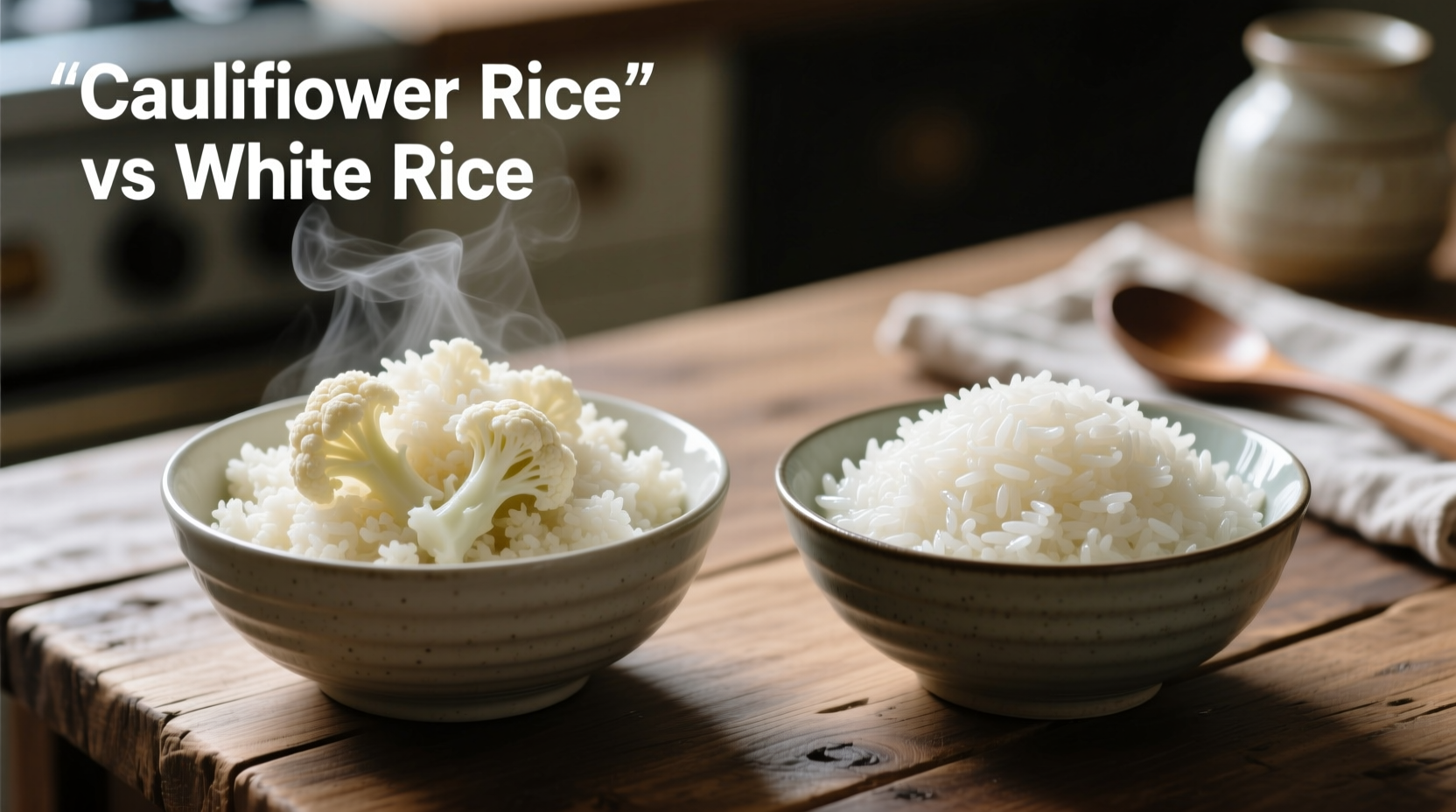
While cauliflower rice has gained popularity as a white rice substitute, managing expectations about sensory qualities is crucial. White rice delivers the familiar fluffy texture and neutral flavor that complements countless dishes. Cauliflower rice, when properly prepared, offers a light, slightly nutty flavor with a texture that mimics rice grains but remains distinctly vegetable-like.
Professional chefs note that cauliflower rice works best when treated as its own ingredient rather than a perfect substitute. As Antonio Rodriguez explains: "Cauliflower rice brings its own culinary personality to dishes—it shouldn't try to be rice, but rather enhance meals with its unique properties."
Health Implications: Beyond Basic Nutrition
The glycemic index tells an important story about how these options affect blood sugar. White rice has a high glycemic index (73), causing rapid blood sugar spikes, while cauliflower rice's glycemic index is negligible due to its minimal carbohydrate content.
For individuals managing diabetes or prediabetes, this difference is significant. According to research published in the American Journal of Clinical Nutrition, replacing refined grains with non-starchy vegetables like cauliflower can improve insulin sensitivity over time.
Practical Cooking Guidance: Getting the Best Results
Many home cooks struggle with cauliflower rice because they apply white rice cooking techniques. Here's what works:
- For cauliflower rice: Sauté in a hot pan with minimal oil for 3-5 minutes—overcooking creates mushiness
- For white rice: Use the absorption method (1:1.5 rice to water ratio) for perfect texture every time
- Flavor enhancement: Cauliflower rice benefits from acid (lemon juice) while white rice pairs well with fats (butter, coconut oil)
When to Choose Each Option: Context Matters
Understanding the appropriate context for each option prevents dietary disappointment. Consider these scenarios:
- Choose cauliflower rice when: Managing carbohydrate intake, seeking additional vegetables, or creating low-calorie versions of favorite dishes
- Choose white rice when: Needing quick energy (pre-workout), cooking traditional Asian dishes, or feeding growing children with higher caloric needs
- Consider brown rice as a middle ground: Offers more fiber than white rice while maintaining similar texture and cooking properties
Environmental Impact: The Sustainability Factor
Food choices affect more than personal health—they impact our planet. Rice production requires significant water resources (about 2,500 liters per kilogram), while cauliflower has a lower water footprint (about 400 liters per kilogram). However, transportation factors matter: locally grown cauliflower in season may have a smaller carbon footprint than imported rice.
Making Your Decision: Practical Recommendations
Rather than viewing this as an either/or choice, consider incorporating both strategically:
- Mix half cauliflower rice with half white rice for gradual transition
- Use cauliflower rice for lunch meals when energy demands are lower
- Reserve white rice for dinner when you've been active during the day
- Experiment with cauliflower rice in stir-fries and pilafs where texture matters less
Remember that dietary needs vary by individual—what works for weight loss might differ from what supports athletic performance. Consulting with a registered dietitian can help personalize these choices to your specific health goals.




 浙公网安备
33010002000092号
浙公网安备
33010002000092号 浙B2-20120091-4