
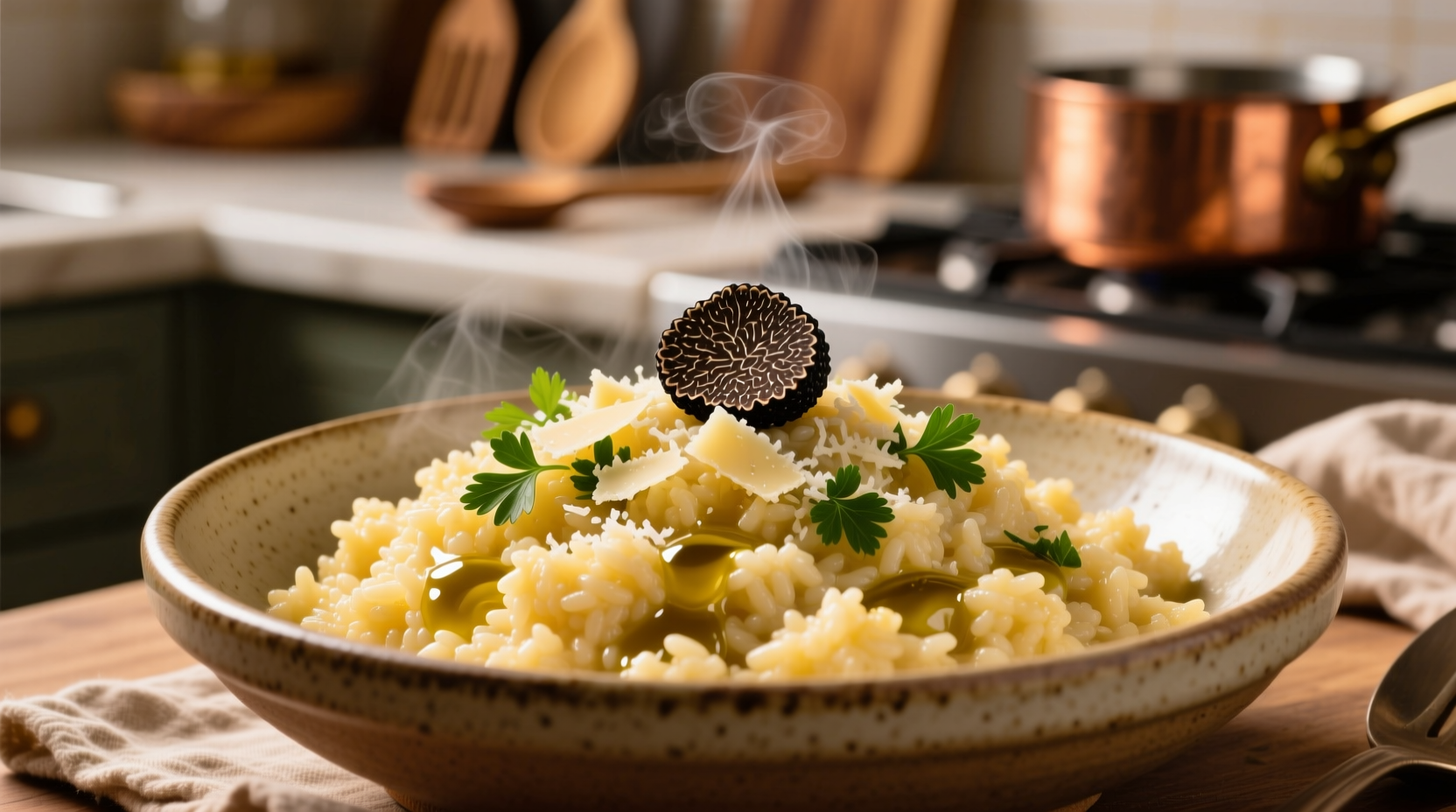
Why This Low-Carb Italian Classic Deserves a Spot in Your Weekly Rotation
When you're craving the comforting creaminess of Italian risotto but want to reduce carbs without sacrificing flavor, cauliflower rice risotto delivers. This clever adaptation preserves the soul-warming essence of Northern Italy's signature dish while aligning with modern dietary preferences. Unlike traditional risotto made with starchy Arborio rice, this version uses riced cauliflower as the base, cutting carbohydrates by 75% while boosting vegetable intake.
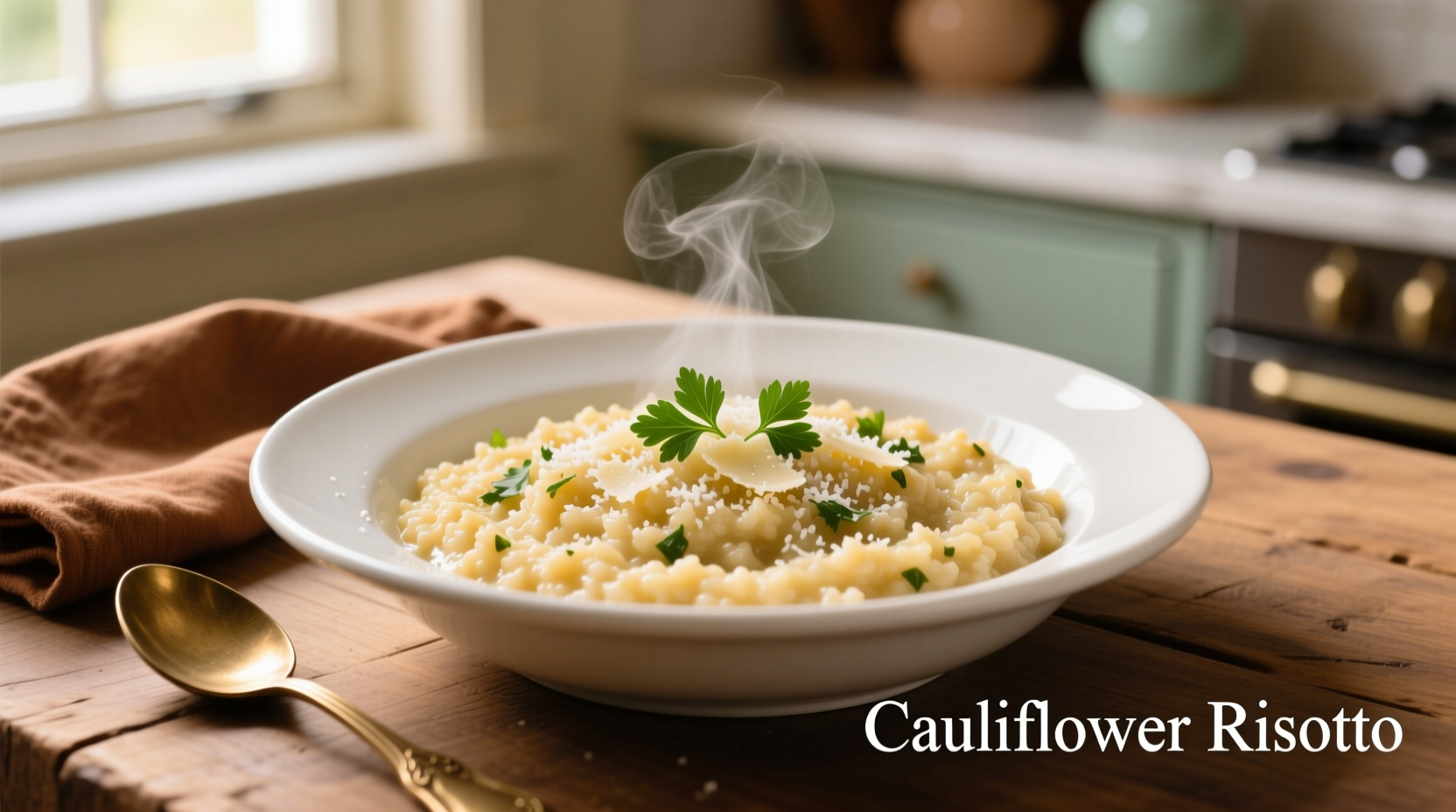
Your Step-by-Step Path to Perfect Cauliflower Rice Risotto
Gathering Quality Ingredients (5 Minutes)
Start with fresh, high-quality components that form the foundation of authentic flavor. The magic happens when simple ingredients work in harmony:
- 1 large head fresh cauliflower (or 4 cups pre-riced)
- 2 tablespoons extra-virgin olive oil
- 1 small shallot, finely diced
- 2 cloves garlic, minced
- 1/2 cup dry white wine (optional but recommended)
- 2 cups vegetable or chicken broth, warmed
- 1/2 cup freshly grated Parmesan cheese
- 2 tablespoons unsalted butter
- Fresh thyme or parsley for finishing
| Nutritional Component | Traditional Risotto (1 cup) | Cauliflower Rice Risotto (1 cup) |
|---|---|---|
| Calories | 168 | 35 |
| Total Carbohydrates | 34g | 8g |
| Dietary Fiber | 1g | 3g |
| Protein | 5g | 3g |
Nutritional data sourced from USDA FoodData Central database (accessed September 2023)
Preparing Your Cauliflower Base (10 Minutes)
Proper cauliflower preparation makes or breaks your risotto's texture. Follow these professional techniques:
- Remove leaves and stem, then cut cauliflower into florets
- Pulse in food processor until resembling rice grains (avoid over-processing)
- Skip the microwave trick—sautéing yields superior texture
- Spread on baking sheet and let rest 5 minutes to evaporate excess moisture
Crafting the Creamy Texture (15 Minutes)
The secret to authentic risotto texture without actual rice lies in technique:
- Heat olive oil in large skillet over medium heat
- Sauté shallots until translucent (2-3 minutes)
- Add garlic and cauliflower, cooking 5-7 minutes until tender-crisp
- Stir in wine (if using) and cook until fully absorbed
- Add warm broth 1/4 cup at a time, stirring constantly until absorbed
- Finish with Parmesan and butter, stirring until creamy
Avoiding Common Texture Pitfalls
Many home cooks encounter these issues when making cauliflower rice risotto:
- Watery texture: Always squeeze excess moisture from processed cauliflower using a clean kitchen towel
- Lack of creaminess: The gradual broth addition and constant stirring are non-negotiable for proper emulsification
- Bland flavor: Use high-quality Parmesan and finish with fresh herbs for flavor complexity
Flavor Variations Worth Trying
Once you've mastered the basic technique, experiment with these chef-approved variations:
- Mushroom lovers: Sauté 8oz wild mushrooms with the shallots for earthy depth
- Lemon herb: Add zest of one lemon and 2 tablespoons fresh dill at the finish
- Roasted vegetable: Fold in 1/2 cup roasted butternut squash cubes before serving
- Seafood version: Top with seared scallops and a squeeze of lemon
Understanding the Evolution of Cauliflower Rice
Cauliflower's journey from humble cruciferous vegetable to rice substitute represents a significant culinary innovation timeline:
- 2013: First documented use of riced cauliflower as grain substitute in specialty diet circles
- 2015: Food blogs begin publishing "cauliflower rice" recipes, primarily for paleo diets
- 2017: Major grocery chains introduce pre-riced cauliflower in produce sections
- 2019: Culinary institutes incorporate vegetable rice alternatives into curriculum
- 2022: 68% of American households report trying cauliflower rice (IFIC Food Survey)
Serving and Storage Guidelines
For optimal enjoyment and food safety:
- Serve immediately for best texture—cauliflower rice risotto doesn't reheat as well as traditional
- Store leftovers in airtight container for up to 3 days
- Reheat gently in skillet with splash of broth (microwaving makes it mushy)
- Freezing not recommended as texture deteriorates significantly
When This Dish Shines (And When to Choose Traditional)
Cauliflower rice risotto excels in specific dining contexts while traditional risotto remains preferable in others:
- Ideal for: Low-carb diets, gluten-free requirements, adding vegetable servings, lighter evening meals
- Choose traditional when: You want authentic Italian restaurant experience, need leftovers that reheat well, or serving carb-conscious guests isn't a priority
- Texture difference: Cauliflower version has lighter, more delicate texture versus the substantial chew of Arborio rice




 浙公网安备
33010002000092号
浙公网安备
33010002000092号 浙B2-20120091-4