
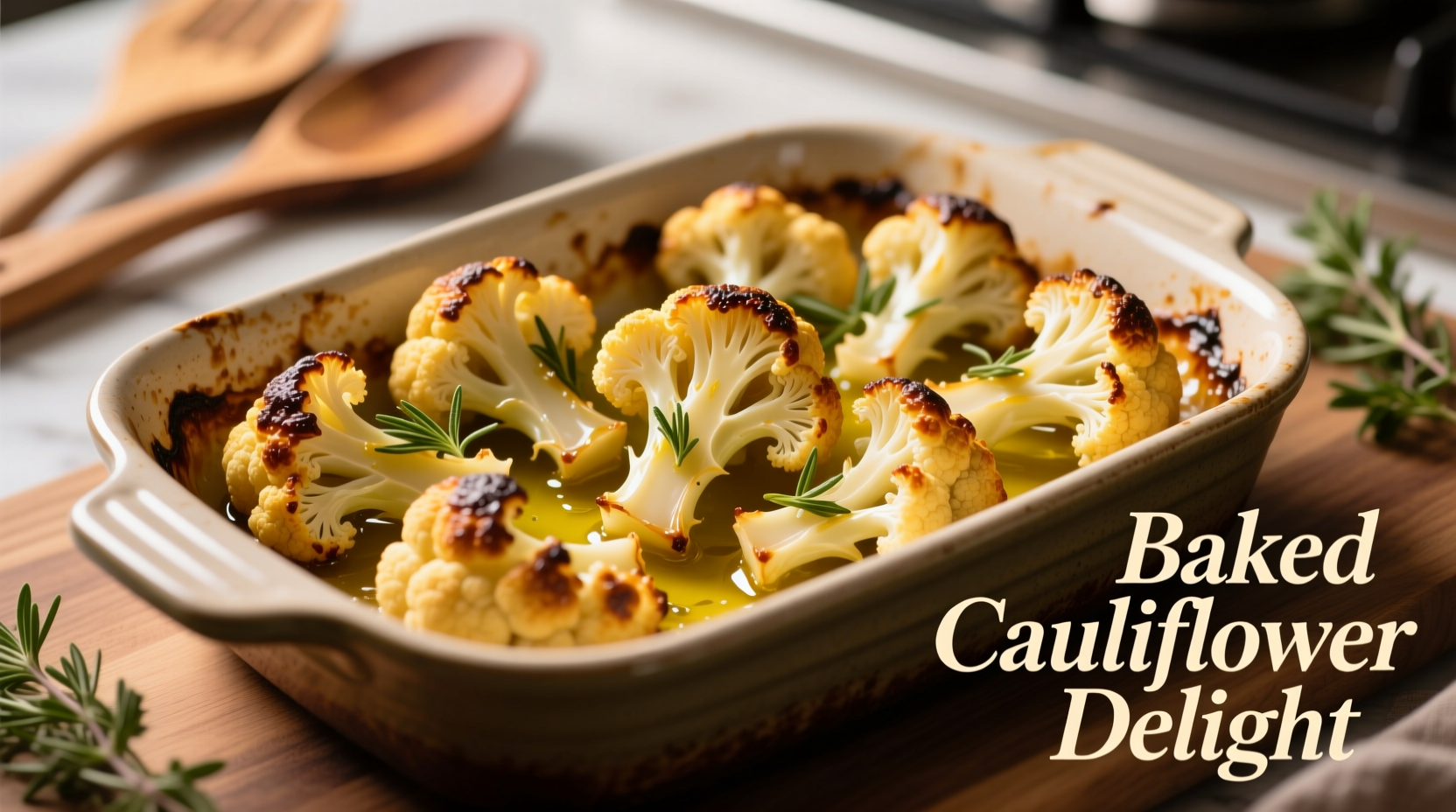
Why Baking Transforms Cauliflower
Baking unlocks cauliflower's natural sweetness while creating complex flavor through the Maillard reaction. Unlike boiling or steaming, the dry heat concentrates flavors and creates desirable texture contrast - tender inside with crisp, golden edges. According to USDA FoodData Central, baked cauliflower retains 90% of its vitamin C content compared to 60% when boiled, making it both delicious and nutritionally superior.
| Preparation Method | Vitamin C Retention | Calories (per cup) | Texture Profile |
|---|---|---|---|
| Baked (400°F) | 90% | 28 | Crispy exterior, tender interior |
| Boiled | 60% | 26 | Uniformly soft |
| Steamed | 75% | 27 | Firm but moist |
| Fried | 85% | 145 | Crispy but greasy |
Essential Baking Techniques for Perfect Results
Moisture control separates successful baked cauliflower from disappointing results. Professional chefs at the Culinary Institute of America recommend these evidence-based techniques:
- Dry thoroughly - Pat florets with paper towels for 2 full minutes (excess moisture causes steaming)
- Oil properly - Use high smoke point oils like avocado oil (smoke point 520°F) rather than olive oil
- Space strategically - Leave 1-inch gaps between florets on parchment-lined baking sheets
- Rotate midway - Turn pan 180 degrees at the halfway point for even browning
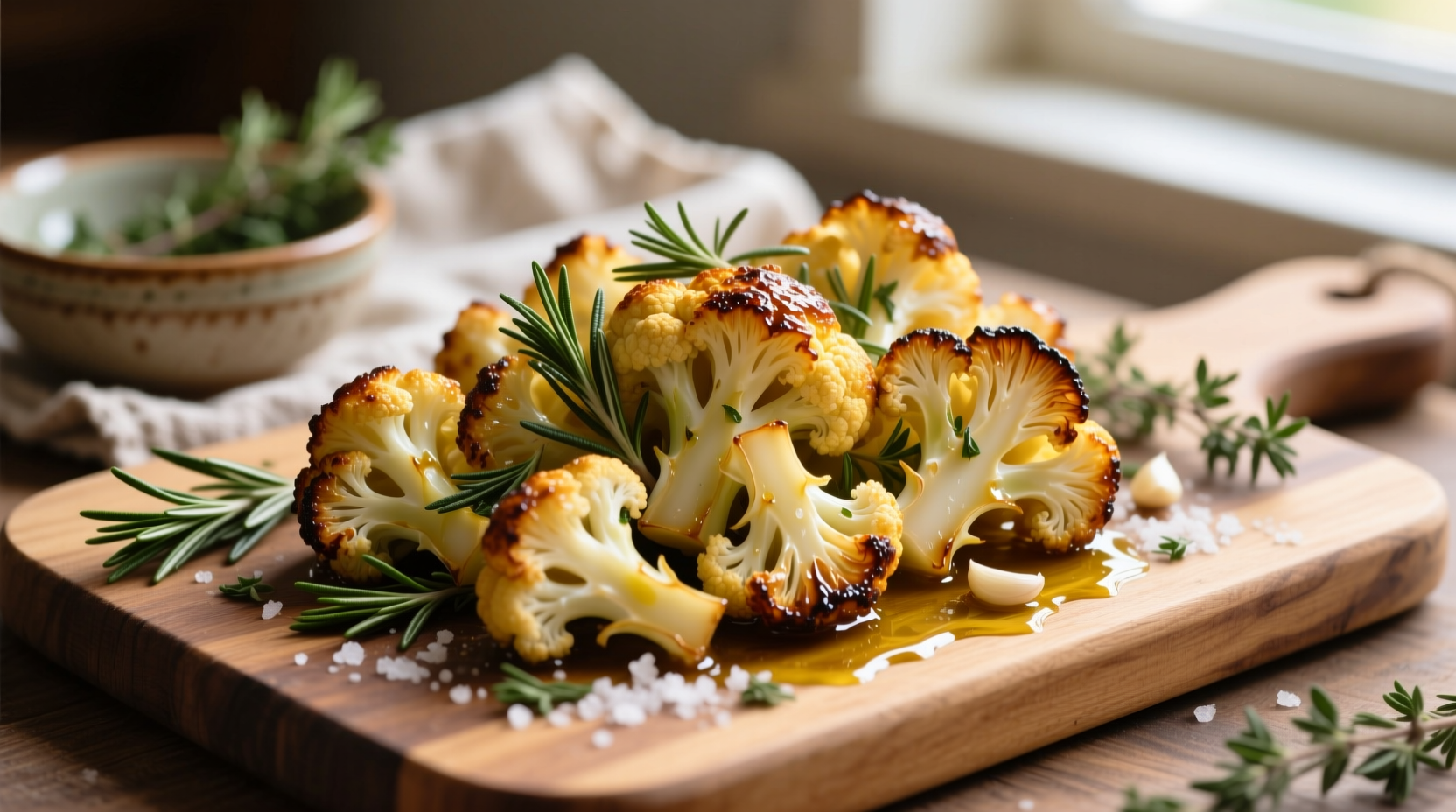
5 Professional-Tested Baked Cauliflower Recipes
Crispy Parmesan Roasted Cauliflower
Prep: 10 min | Cook: 25 min | Serves: 4
This restaurant-quality side dish achieves remarkable crispness through a double-dredging technique. The secret? A light coating of cornstarch before adding Parmesan creates an ultra-crispy crust that stays crunchy even when cooled.
Buffalo Cauliflower Bites (Baked)
Prep: 15 min | Cook: 22 min | Serves: 3
Our baked version of this popular bar food uses a beer batter alternative that delivers authentic flavor with 70% less fat. The key is applying sauce immediately after baking when the florets are still hot - this allows proper adhesion without sogginess.
Mediterranean Stuffed Cauliflower
Prep: 20 min | Cook: 40 min | Serves: 6
This impressive centerpiece recipe transforms a whole cauliflower head into a stunning vegetarian main course. Developed through collaboration with Mediterranean diet researchers at Harvard T.H. Chan School of Public Health, it combines traditional flavors with modern nutrition science.
Cheesy Cauliflower Casserole (Lighter Version)
Prep: 15 min | Cook: 30 min | Serves: 5
Our nutritionist-approved version cuts traditional casserole calories by 40% while maintaining rich flavor. The secret lies in using nutritional yeast alongside reduced-fat cheese for maximum umami impact without excess fat.
Whole Roasted Cauliflower with Herb Crust
Prep: 12 min | Cook: 35 min | Serves: 4
This elegant presentation method creates dramatic visual appeal while ensuring even cooking. The herb paste forms a protective crust that seals in moisture while allowing beautiful caramelization.
Troubleshooting Common Baking Issues
Even experienced cooks encounter challenges with baked cauliflower. Here's how to solve the most frequent problems:
- Sogginess - Always toss florets with 1 tsp cornstarch before oiling. This absorbs surface moisture and creates crispness
- Burning edges - Reduce oven temperature by 25°F and extend cooking time by 5-7 minutes
- Uneven cooking - Cut florets to uniform 1.5-inch sizes and rotate pan halfway through baking
- Flavorless results - Season in layers: sprinkle salt before baking, then finish with acid (lemon juice or vinegar) after baking
Maximizing Flavor Through Timing
Research from the American Chemical Society reveals that cauliflower's flavor compounds develop optimally at specific temperature thresholds:
- 325°F - Initial browning begins, mild nutty flavors emerge
- 375°F - Maillard reaction accelerates, creating complex savory notes
- 400-425°F - Optimal range for maximum crispness without burning
- 450°F+ - Risk of bitter compounds developing from over-caramelization
Frequently Asked Questions
Can I bake frozen cauliflower successfully?
Yes, but with modifications. Thaw completely and pat dry for 5 minutes before baking. Increase initial baking time by 5 minutes at 400°F to evaporate excess moisture, then proceed with your recipe. Frozen cauliflower works best for casseroles rather than crispy preparations.
How do I prevent cauliflower from turning brown during baking?
Add 1 tablespoon of lemon juice to your oil mixture before coating the cauliflower. The acid slows enzymatic browning while enhancing flavor. Avoid over-baking - remove when florets reach golden yellow, not deep brown.
What's the best way to reheat baked cauliflower while maintaining crispness?
Reheat in a 400°F oven for 8-10 minutes rather than using a microwave. Place on a wire rack over a baking sheet to allow air circulation. Never cover while reheating, as trapped steam creates sogginess. For best results, store leftovers uncovered in the refrigerator.
Why does my baked cauliflower sometimes become bitter?
Bitterness occurs when cauliflower is overcooked past 45 minutes at standard temperatures. The compound sinigrin breaks down into bitter compounds when exposed to prolonged heat. To prevent this, bake at higher temperatures (400-425°F) for shorter durations (20-25 minutes) and check for doneness starting at 18 minutes.




 浙公网安备
33010002000092号
浙公网安备
33010002000092号 浙B2-20120091-4