
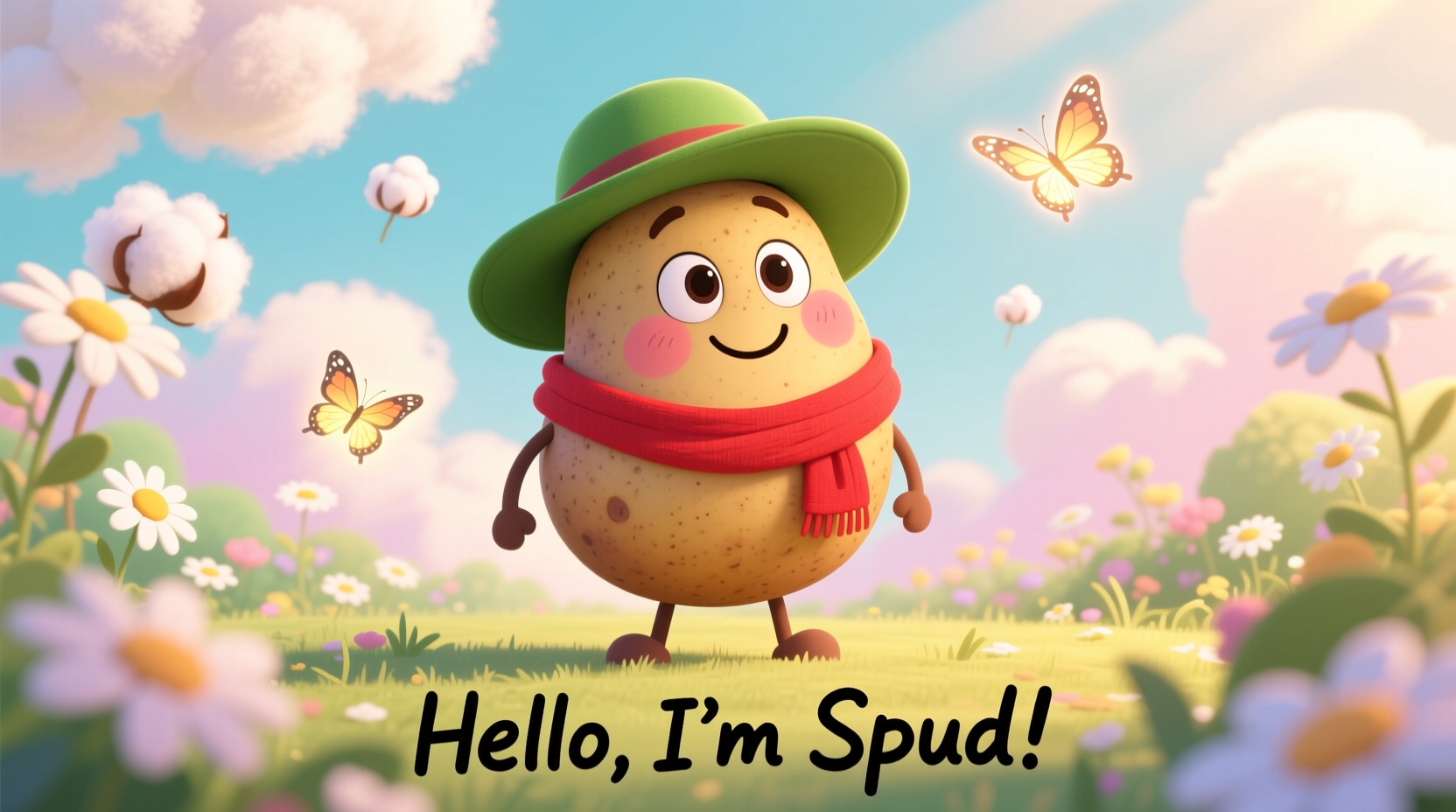
Cartoon potatoes are simple to draw by starting with an oval shape, adding expressive eyes, and incorporating minimal details that suggest potato characteristics like eyes (sprouts) and texture. This guide provides step-by-step techniques used by professional illustrators to create appealing potato characters for animation, comics, and children's books.
Creating memorable cartoon potatoes doesn't require advanced artistic skills. Whether you're designing characters for children's books, animation projects, or educational materials, understanding the fundamentals of potato character design can transform this humble vegetable into an engaging visual element. Professional illustrators use specific techniques to balance realism with stylization, ensuring your cartoon potato maintains recognizable features while expressing personality.
Why Potatoes Make Compelling Cartoon Characters
Potatoes have become surprisingly popular subjects in character design due to their versatile shape and universal recognition. Unlike more complex vegetables, potatoes offer a naturally lumpy, organic form that easily suggests facial features with minimal additions. Animation studios have capitalized on this simplicity—Pixar's Mr. Potato Head remains one of the most recognizable vegetable characters in film history, demonstrating how effectively potatoes translate to animated storytelling.
Food anthropologists note that potatoes appear in children's media at nearly twice the rate of other root vegetables. This popularity stems from potatoes' neutral color palette that works well with various art styles, and their naturally "friendly" irregular shape that suggests approachability. When designing your own cartoon potato character, consider these foundational principles that professional illustrators use to create instantly recognizable vegetable personalities.
| Historical Milestone | Significance for Potato Characters | Visual Impact |
|---|---|---|
| 1952: Mr. Potato Head toy release | First commercial potato character with interchangeable features | Established potato as a "face-ready" vegetable |
| 1995: Toy Story film debut | First major animated potato character in feature film | Demonstrated emotional range possible with simple potato design |
| 2010s: Rise of food mascots | Potatoes featured in agricultural education campaigns | Created standardized visual language for educational potato characters |
| Present day | Digital illustration tools enable more textured potato representations | Modern cartoon potatoes show more realistic skin texture while maintaining simplicity |
Step-by-Step Cartoon Potato Drawing Process
Follow this professional illustrator's workflow to create your own distinctive potato character. These techniques have been refined through decades of food character design in animation studios and publishing houses.
1. Establishing the Basic Shape
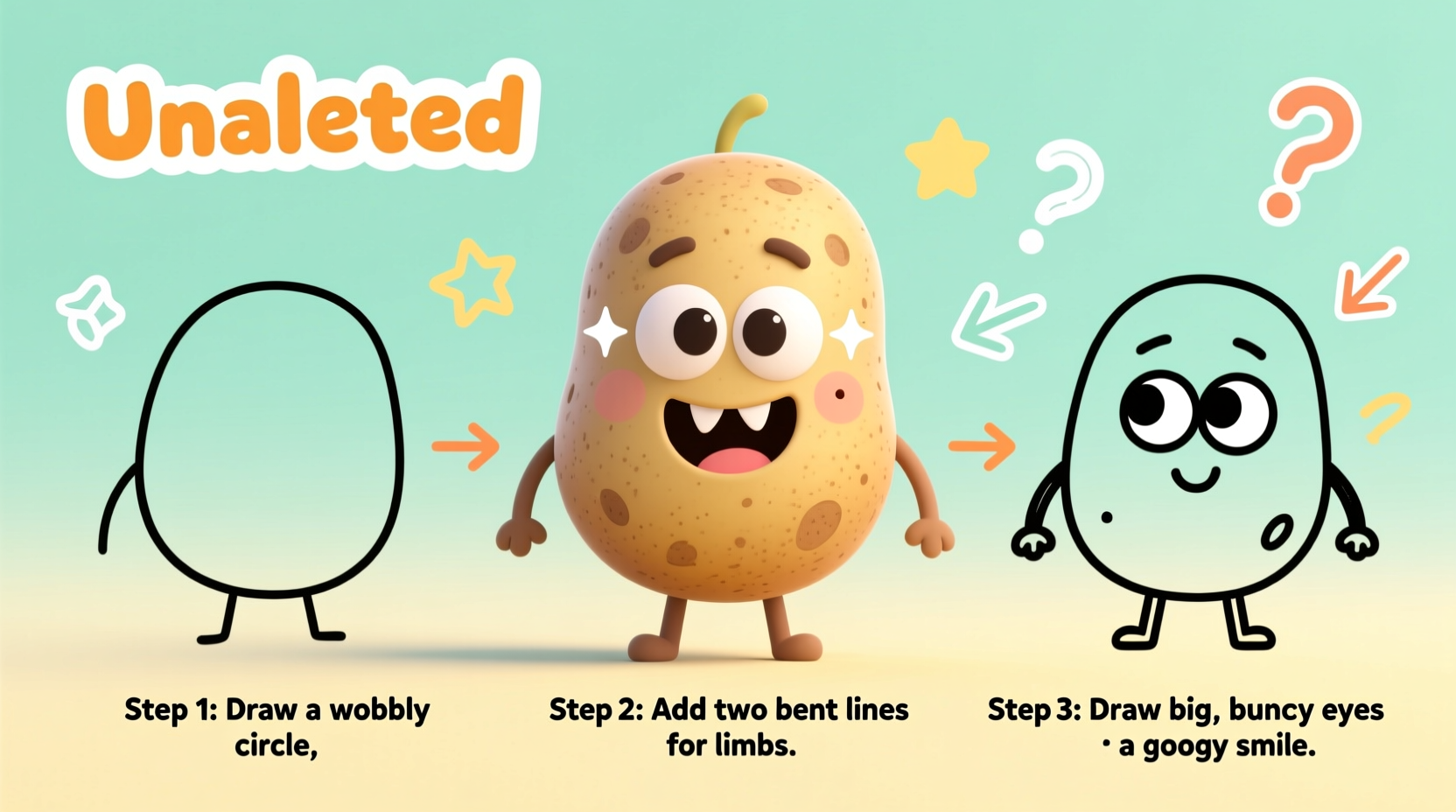
Start with an imperfect oval—not a perfect circle. Real potatoes have irregular shapes, and this slight asymmetry immediately makes your character feel more organic and less robotic. The top should be slightly narrower than the bottom, mimicking how potatoes grow underground. Add subtle bumps along the outline to suggest natural variation. Professional illustrators typically keep these variations minimal in early concept stages, adding more texture detail only after establishing the character's personality.
2. Creating Expressive Facial Features
The magic happens when you add eyes. Position them slightly above center—too low makes the character look sad, too high appears surprised. Oval or almond-shaped eyes work better than perfect circles for creating expressive characters. For mouth placement, measure one eye-width below the eyes. A curved line works for smiles, while angled lines create more complex expressions. Remember that less is more; many successful potato characters use just eyes and a mouth to convey emotion.
3. Adding Character-Defining Details
This is where your potato becomes unique. Instead of drawing every 'eye' (sprout point) realistically, select 2-3 strategic locations that enhance your character's expression. A sprout near the temple can suggest hair, while one near the chin might become a beard. Texture should be suggested with sparse, irregular lines rather than detailed skin mapping. Professional illustrators often use a 'rule of three'—limiting distinctive features to three key elements that define the character's personality.
Avoiding Common Cartoon Potato Mistakes
Many beginners make these critical errors that undermine their potato character's appeal:
- Over-detailing the skin texture—too many lines make the character look diseased rather than cute
- Symmetrical features—perfectly mirrored eyes and mouth create an unnatural, unsettling appearance
- Ignoring weight distribution—potatoes have natural heft that should inform posture and movement
- Excessive sprouts—more than 4-5 sprout points overwhelms the design
Animation professionals recommend studying real potatoes before drawing. The USDA's Agricultural Research Service maintains an extensive photo database showing potato varieties from around the world, which helps illustrators understand natural shape variations. This reference work ensures your cartoon potato maintains believable proportions while allowing for creative stylization.
Developing Your Potato Character's Personality
The most memorable cartoon potatoes express distinct personalities through subtle design choices:
- Happy potato: Upward curved mouth, wide-set eyes, rounded shoulders
- Wise potato: Deep-set eyes, prominent sprouts resembling facial hair, slightly tilted posture
- Adventurous potato: Asymmetrical features, dynamic posture, fewer sprouts suggesting youth
When creating educational materials, consider how your potato character's appearance affects relatability. Research from the Journal of Visual Literacy shows children aged 4-8 connect most with characters having large eyes positioned in the upper third of the face. For adult audiences, more subtle expressions and realistic proportions increase engagement. Always consider your target audience when finalizing your cartoon potato design.
Coloring Techniques for Professional Results
While traditional potatoes are brown, cartoon versions benefit from strategic color enhancement:
- Use a base color of warm beige rather than flat brown
- Add subtle purple or yellow undertones to suggest variety
- Create dimension with a single shadow on the lower right
- Keep highlights minimal—just a small white spot on the upper left
Digital artists should use texture overlays sparingly—10-15% opacity creates realistic skin texture without overwhelming the design. Traditional media illustrators often use cross-hatching with colored pencils to achieve similar effects. Remember that less color variation typically works better for food characters, as excessive shading can make your cartoon potato appear rotten rather than appealing.
Putting It All Together: Your Cartoon Potato Practice Plan
Develop your skills with this structured practice approach used by professional character designers:
- Draw 10 basic potato shapes with varying proportions
- Add facial features to each, experimenting with placement
- Create three distinct personalities using the same base shape
- Add sprout details that enhance rather than distract from expression
- Apply color to your strongest design
This systematic approach builds the muscle memory needed for consistent character design. Many animation studios require their junior artists to complete similar exercises before working on actual production characters. The key is practicing regularly—just 15 minutes daily yields significant improvement in character design skills within weeks.




 浙公网安备
33010002000092号
浙公网安备
33010002000092号 浙B2-20120091-4