
When comparing the world's hottest peppers, the Carolina Reaper vs Ghost Pepper debate is one of the most common questions among spice enthusiasts. Understanding the key differences between these two super-hot varieties is essential for anyone interested in extreme heat levels, culinary applications, or home gardening.
Heat Level Comparison: Measuring the Burn
The most significant difference between these peppers lies in their heat intensity. The Scoville scale measures capsaicin concentration, the compound responsible for chili heat.
| Pepper Variety | Average SHU | Peak SHU | Heat Experience |
|---|---|---|---|
| Carolina Reaper | 1.6-2.2 million | 2.48 million | Immediate intense burn, numbing sensation, delayed full effect |
| Ghost Pepper (Bhut Jolokia) | 855,000-1,041,427 | 1.1 million | Gradual build-up, intense but shorter duration than Reaper |
Understanding the carolina reaper pepper vs ghost pepper scoville scale difference reveals why the Reaper consistently ranks as one of the world's hottest peppers, while the Ghost Pepper held the title before the Reaper's introduction. The carolina reaper vs ghost pepper heat comparison shows the Reaper delivers nearly double the maximum heat potential.
Physical Characteristics and Appearance
Visual identification helps distinguish these peppers:
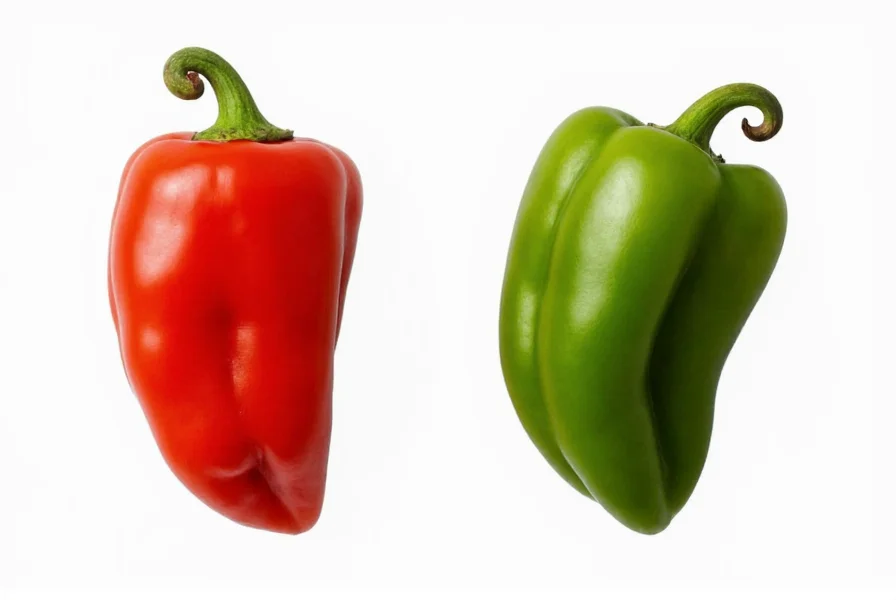
- Carolina Reaper: Heart-shaped with a distinctive stinger tail, typically 1-2 inches long, ripens from green to bright red with bumpy, wrinkled skin
- Ghost Pepper: Teardrop-shaped, 2.4-3.3 inches long, smooth waxy skin that transitions from green to vibrant red when mature
When examining carolina reaper vs ghost pepper appearance, the Reaper's unique stinger tail and more irregular surface provide immediate visual differentiation from the smoother Ghost Pepper.
Flavor Profiles Beyond the Heat
Despite their extreme heat, both peppers offer distinctive flavor notes that culinary enthusiasts appreciate:
- Carolina Reaper: Initial sweetness followed by intense fruitiness (berry-like) before the heat hits, with subtle cinnamon notes in some varieties
- Ghost Pepper: Smoky, floral notes with an earthy undertone and subtle fruitiness that emerges after the initial heat subsides
The carolina reaper ghost pepper flavor difference becomes apparent when used in moderation—chefs often prefer Ghost Pepper for its more pronounced smoky flavor, while the Reaper's complex fruitiness works well in certain hot sauces. Understanding carolina reaper vs ghost pepper taste profiles helps determine which pepper best suits specific recipes.
Origin and Historical Background
The development stories of these peppers explain their heat differences within the evolving landscape of super-hot pepper cultivation. The Ghost Pepper originated in Northeast India (Assam region) and was cultivated for centuries by local communities before gaining global recognition. It was officially certified as the world's hottest pepper by Guinness World Records in 2007, holding this title until 2011. Meanwhile, the Carolina Reaper was intentionally bred by Ed Currie of PuckerButt Pepper Company in South Carolina through a cross between a Ghost Pepper and a Red Habanero from St. Vincent. After independent laboratory verification, it was certified as the new world record holder by Guinness World Records in 2013.
This progression reflects the accelerated evolution in capsaicin concentration through selective breeding. According to Guinness World Records' verified data, the title transitioned from Ghost Pepper (2007-2011) to Trinidad Moruga Scorpion (2011-2013) before the Carolina Reaper's certification. The 58% increase in average SHU between these record-holders demonstrates the rapid advancement in heat intensity achievable through modern hybridization techniques.
Source: Guinness World Records - Hottest Chilli Pepper
Growing Requirements for Home Gardeners
For those interested in growing carolina reaper vs ghost pepper plants, several key differences affect cultivation:
- Growing Season: Both require 90-120 days to maturity, but Ghost Peppers typically mature slightly faster
- Climate Preferences: Ghost Peppers tolerate slightly cooler temperatures better than Reapers
- Plant Size: Ghost Pepper plants grow 3-5 feet tall; Carolina Reaper plants are more compact at 2-4 feet
- Yield: Ghost Peppers generally produce more fruit per plant than the more temperamental Carolina Reaper
When comparing growing carolina reaper vs ghost pepper conditions, gardeners should note that Carolina Reapers require more consistent warmth and are slightly more challenging to grow successfully. The carolina reaper ghost pepper growing tips differ primarily in temperature requirements and plant care.
Culinary Applications and Usage Tips
How these peppers perform in the kitchen varies significantly, but both have critical usage constraints that impact safety and flavor outcomes:
- Carolina Reaper: Best used sparingly in hot sauces, infused oils, or powdered form; ideal for extreme heat challenges; requires careful handling due to oil concentration
- Ghost Pepper: More versatile in cooking; commonly used in curries, stews, and traditional Indian dishes; can be used in whole form for controlled heat infusion
When considering carolina reaper vs ghost pepper for cooking, remember that the Reaper's heat is less forgiving—many chefs recommend using half the amount of Reaper compared to Ghost Pepper in recipes. The carolina reaper ghost pepper culinary uses differ primarily in quantity and application method due to the significant heat disparity. Crucially, the Carolina Reaper's extreme capsaicin concentration introduces serious safety limitations: according to the National Institute for Occupational Safety and Health (NIOSH), powdered super-hot peppers can cause severe respiratory irritation when inhaled. NIOSH guidelines mandate proper ventilation and respiratory protection during handling to prevent acute health effects, making the Reaper less suitable for casual home cooking without specialized equipment.
Source: NIOSH Pocket Guide - Capsaicin
Safety Considerations with Super-Hot Peppers
Working with either pepper requires precautions, but the Carolina Reaper demands extra care:
- Always wear gloves when handling, especially with Carolina Reapers
- Avoid touching face or eyes after handling either pepper
- Use separate cutting boards and utensils for super-hots
- Work in well-ventilated areas (consider a mask for Reaper handling)
- Have dairy products (milk, yogurt) nearby to counteract burn
The carolina reaper vs ghost pepper safety precautions are similar, but the intensity of the Reaper means mistakes can have more severe consequences. Understanding which is hotter carolina reaper or ghost pepper helps determine appropriate safety measures.
When to Choose One Over the Other
Based on your needs:
- Choose Carolina Reaper when: You need maximum heat for hot sauces, want to participate in extreme heat challenges, or desire its unique fruit-forward flavor profile
- Choose Ghost Pepper when: You want a more manageable super-hot pepper, need something for traditional recipes, or prefer a smoky flavor profile
For those wondering how hot is carolina reaper compared to ghost pepper in practical terms, the difference is substantial enough that beginners should start with Ghost Pepper before attempting the Carolina Reaper. The carolina reaper ghost pepper comparison ultimately comes down to your heat tolerance and culinary goals.




 浙公网安备
33010002000092号
浙公网安备
33010002000092号 浙B2-20120091-4