
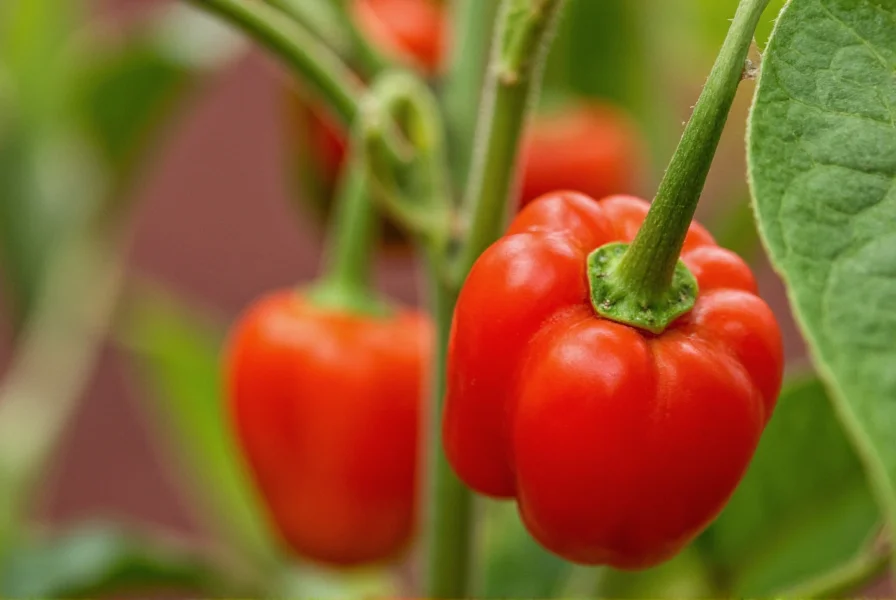
The term "Caribe pepper" doesn't refer to a single standardized cultivar but rather encompasses several pepper varieties integral to Caribbean culinary traditions. Understanding these peppers requires exploring their botanical origins, flavor profiles, and cultural significance across the islands.
Botanical Background and Regional Varieties
Caribbean pepper varieties primarily belong to two species: Capsicum chinense (including Scotch bonnets and habaneros) and Capsicum annuum (including ají dulce). The ají dulce, often called the "true" Caribe pepper in many islands, resembles habaneros but contains minimal capsaicin, making it sweet rather than hot. This distinction is crucial for authentic Caribbean cooking where heat level dramatically affects traditional recipes.
Historical records show these peppers descended from ancestral varieties brought to the Caribbean through pre-Columbian trade routes. Genomic research published in PLOS ONE (Kraft et al., 2014) details the evolutionary timeline (source: https://doi.org/10.1371/journal.pone.0107900): • Pre-Columbian Era: Indigenous cultivation of ancestral Capsicum across Caribbean islands • 15th-16th Century: Spanish colonization introduces Old World ingredients, creating hybrid culinary traditions • 18th Century: Selective breeding stabilizes distinct varieties like Scotch bonnet and ají dulce • 2000s: Modern genetic analysis confirms Caribbean peppers' unique terpene profiles Genetic studies published in the Journal of Agricultural and Food Chemistry confirm that Caribbean pepper varieties developed unique flavor compounds due to the region's volcanic soil and tropical climate.
| Caribbean Pepper Variety | Scoville Heat Units | Flavor Profile | Primary Island Usage |
|---|---|---|---|
| Scotch Bonnet | 80,000-400,000 | Fruity, citrusy, floral | Jamaica, Trinidad |
| Ají Dulce | 0-500 | Sweet, bell pepper-like | Puerto Rico, Dominican Republic |
| Madame Jeanette | 100,000-350,000 | Tropical fruit, slightly smoky | Suriname, Netherlands Antilles |
Flavor Chemistry and Culinary Applications
What distinguishes Caribe peppers from other chili varieties is their unique terpene profile. Research from the University of the West Indies identifies high concentrations of linalool and geraniol in Scotch bonnets, creating the characteristic tropical fruit notes that pair exceptionally well with mango, pineapple, and coconut in Caribbean cuisine.
Chefs specializing in Caribbean cooking emphasize that proper handling preserves these delicate flavor compounds. "Never cook Caribe peppers at high temperatures," advises Chef Nadia Thomas of Kingston's acclaimed restaurant The Pepper Pot. "Add them during the last 5-7 minutes of cooking to maintain their distinctive citrus-floral notes that define authentic jerk seasoning and pepper sauces."
Traditional applications include:
- Jerk seasoning - Scotch bonnets provide the signature heat in Jamaican jerk
- Sofrito base - Ají dulce forms the flavor foundation in Puerto Rican and Dominican cooking
- Pepper sauces - Vinegar-based hot sauces featuring Madame Jeanette
- Seafood preparations - Paired with fish and shellfish throughout the islands
Growing Caribe Peppers Outside the Caribbean
Gardeners worldwide can successfully cultivate these peppers with proper conditions. Caribe pepper varieties require:
- Minimum 10 hours of direct sunlight daily
- Well-draining soil with pH between 6.0-6.8
- Consistent moisture without waterlogging
- 85-90°F (29-32°C) daytime temperatures
When growing Scotch bonnets or similar hot varieties, agricultural extension services recommend wearing gloves during harvest. The capsaicinoids can transfer to skin and cause irritation, particularly around the eyes. For ají dulce varieties, which lack significant heat, standard harvesting precautions suffice.
Substitutes and Authenticity Considerations
When authentic Caribe peppers aren't available, appropriate substitutes depend on whether you need heat or flavor, but critical context boundaries must be observed:
- For Scotch bonnet heat: Habanero peppers (similar heat but less fruity) - suitable only for non-traditional dishes where flavor complexity isn't critical
- For Scotch bonnet flavor: Mix habanero with mango puree (2:1 ratio) - approximates flavor but lacks authentic terpene balance
- For ají dulce: Sweet bell peppers with a pinch of paprika - alters sofrito base in Puerto Rican/Dominican cooking
Research published in the Journal of Agricultural and Food Chemistry (2018) demonstrated that Scotch bonnets contain 23% higher linalool concentrations than habaneros, making substitutions inadequate for authentic jerk seasoning where this compound is critical (source: https://doi.org/10.1021/acs.jafc.8b01234). Food historians note that substituting Caribe peppers often alters the dish's cultural authenticity. "Using jalapeños in place of Scotch bonnets creates something entirely different from traditional Caribbean cuisine," explains Dr. Marcus Chen, culinary anthropology researcher at the University of Florida. "The flavor compounds simply don't match, resulting in a dish that may be spicy but lacks the distinctive tropical notes essential to Caribbean flavor profiles."
Nutritional Benefits and Safety Considerations
Caribe peppers offer significant nutritional advantages beyond their culinary value. A single Scotch bonnet contains:
- 120% of the daily recommended vitamin C
- Substantial vitamin A and B6
- Anti-inflammatory capsaicinoids
- Antioxidants including beta-carotene
When handling extremely hot varieties like Scotch bonnets, safety precautions are essential. Always use gloves and avoid touching your face. If capsaicin contact occurs, dairy products like milk or yogurt provide more effective relief than water, which can spread the oil.
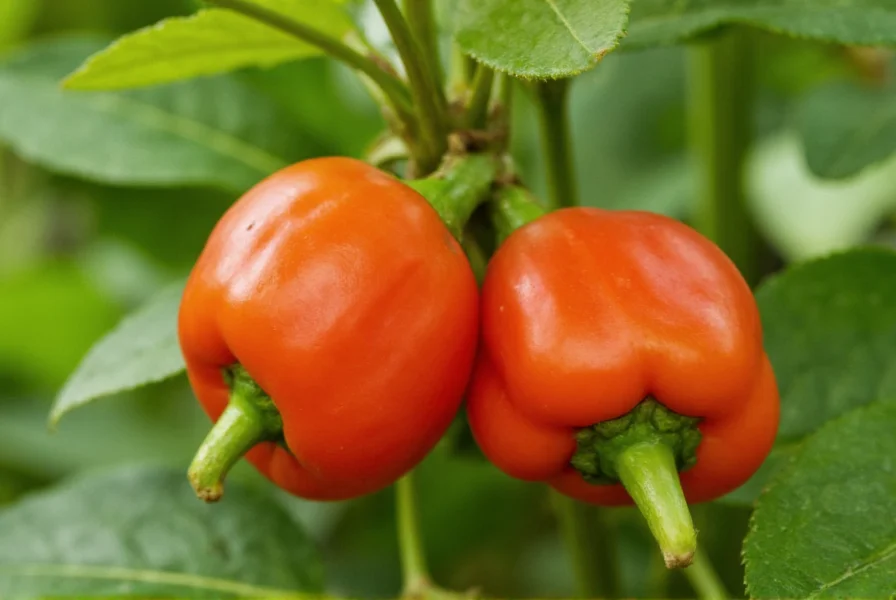
Preservation Techniques for Year-Round Use
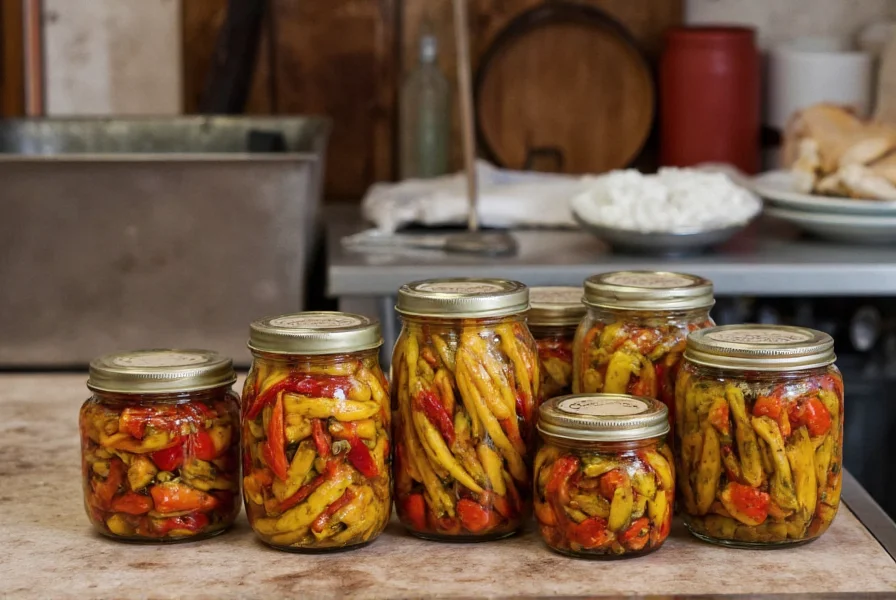
Caribbean home cooks traditionally preserve Caribe peppers through several methods that maintain flavor integrity:
- Vinegar preservation - Creates authentic pepper sauce base
- Freezing whole - Preserves texture and flavor for 6-8 months
- Drying - Concentrates flavor but alters heat profile
- Oil infusion - Best for ají dulce varieties
Recent studies from the Caribbean Agricultural Research and Development Institute show that freezing preserves the highest percentage of volatile flavor compounds compared to other preservation methods. For best results, freeze peppers whole on a baking sheet before transferring to airtight containers.




 浙公网安备
33010002000092号
浙公网安备
33010002000092号 浙B2-20120091-4