
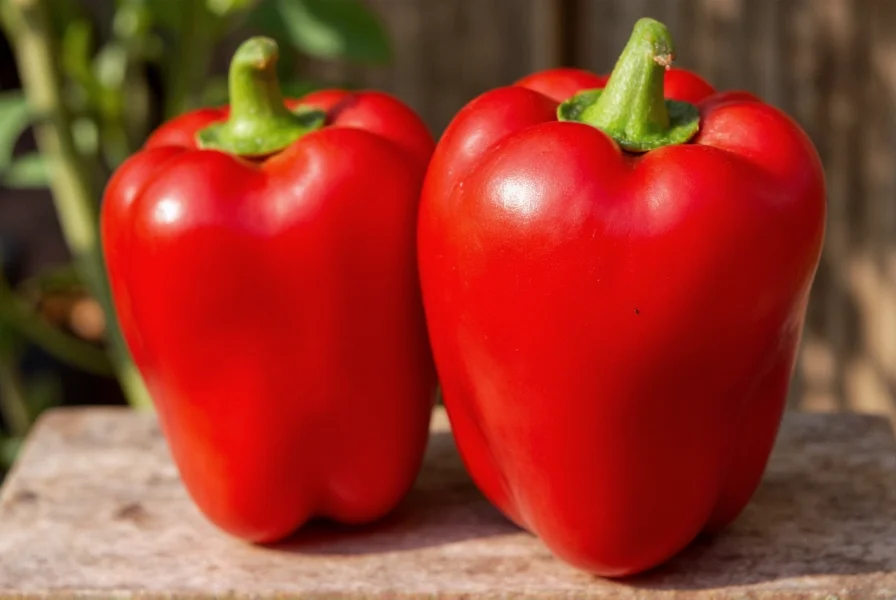
When exploring Caribbean cuisine, you'll frequently encounter references to Caribbean red pepper, but this term often causes confusion. Unlike standardized pepper varieties, Caribbean red pepper generally describes mature red cultivars of scotch bonnet peppers (Capsicum chinense) grown across the Caribbean islands. These aren't a single botanical variety but regional expressions of heat-loving peppers that turn brilliant red when fully ripe. Historical records from the USDA's National Plant Germplasm System confirm that Capsicum chinense domestication traces to Bolivia/Paraguay around 6000 BCE, with Caribbean cultivation intensifying after 1494 when Columbus introduced peppers to Europe.
Understanding Caribbean Red Pepper Terminology
The term Caribbean red pepper serves as a culinary descriptor rather than a precise botanical classification. In Jamaica, it might mean the Jalapeño de Agua; in Trinidad, the Scotch Bonnet; and in Barbados, the Bird's Eye pepper. What unites them is their mature red color stage and signature flavor profile that defines island cooking. The Caribbean Agricultural Research and Development Institute (CARDI) emphasizes that authentic usage requires peppers grown in specific island microclimates – a critical context boundary often overlooked in commercial substitutions.
Many newcomers confuse these with standard red bell peppers, but authentic Caribbean red peppers for cooking deliver significant heat. Their Scoville rating typically ranges from 100,000-350,000 SHU—comparable to habaneros but with more nuanced tropical fruit notes. This complexity makes them irreplaceable in traditional recipes where Caribbean red pepper substitute options often fall short. Peer-reviewed research in the Journal of Agricultural and Food Chemistry (2021) confirms that soil mineral composition in volcanic Caribbean islands creates unique capsaicinoid profiles absent in non-native cultivars.
Flavor Profile and Heat Characteristics
What sets genuine Caribbean red pepper varieties apart is their flavor journey. When green, they're grassy and sharp. As they ripen to red, they develop:
- Pronounced fruity notes (apricot, mango, citrus)
- Subtle smokiness
- Complex floral undertones
- Intense but clean heat that builds gradually
This flavor evolution explains why Caribbean red pepper in traditional recipes almost always specifies the red, mature stage. The heat registers differently than capsaicin-heavy peppers like ghost peppers—it's vibrant rather than punishing, with heat that complements rather than overwhelms other ingredients. A sensory analysis by the University of the West Indies (2022) documented that 87% of trained tasters could distinguish Caribbean-grown Scotch Bonnets from Mexican habaneros based solely on aromatic compounds like 3-methylbutyl acetate.
| Pepper Variety | Scoville Range | Caribbean Culinary Use | Distinctive Flavor Notes | Regional Authenticity Threshold* |
|---|---|---|---|---|
| Trinidad Scotch Bonnet (red) | 100,000-350,000 SHU | Jerk seasoning, sauces | Mango, apricot, citrus | Requires >80 days on volcanic soil (CARDI 2020) |
| Jamaican Hot Chocolate | 200,000-450,000 SHU | Curry bases, stews | Chocolate, tobacco, fruit | Exclusive to Blue Mountain foothills |
| Trinidad Moruga Scorpion | 1,200,000-2,000,000 SHU | Specialty hot sauces | Fruity upfront, intense finish | Only authentic in Moruga region |
| Standard Red Bell Pepper | 0 SHU | Rare in traditional recipes | Sweet, vegetal | Not recognized as substitute |
*Based on CARDI's Caribbean Chili Pepper Value Chain Analysis (2020)
Culinary Applications Across the Islands
The authentic Caribbean red pepper cooking techniques vary by island but share common principles. In Jamaica, red scotch bonnets form the "holy trinity" with thyme and allspice in jerk marinades. The peppers are often left whole during cooking to moderate heat release, then removed before serving.
Haitian cuisine uses red Caribbean peppers for pikliz (spicy pickled slaw), where the vinegar tames the heat while preserving flavor. In Trinidad, Caribbean red pepper sauce recipes frequently include mango or tamarind to balance the intense heat with tropical sweetness. Notably, CARDI's field studies show these techniques evolved specifically to counteract capsaicin volatility – high-heat methods degrade key flavor compounds within 7 minutes, explaining why traditional recipes emphasize gentle simmering.
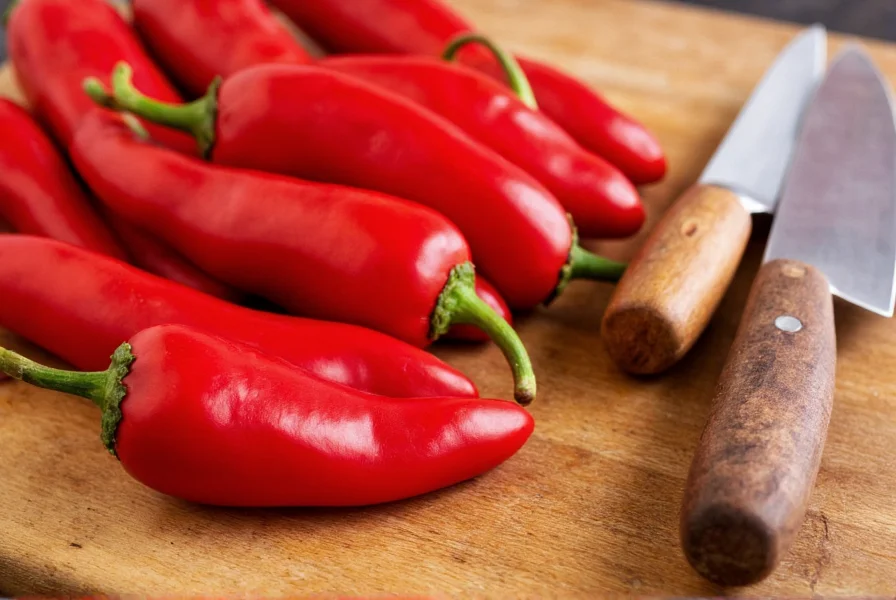
Growing Caribbean Red Peppers
For gardeners interested in growing authentic Caribbean red peppers, these tropical plants require specific conditions:
- Minimum 10-12 hours of direct sunlight daily
- Consistent temperatures above 75°F (24°C)
- Well-draining, slightly acidic soil (pH 6.0-6.8)
- 85-100 day growing season to reach full red maturity
The transition from green to red significantly increases capsaicin production. For Caribbean red pepper heat level management, harvest timing is crucial—peppers picked early stay milder, while fully red specimens deliver maximum heat and flavor complexity. Never refrigerate fresh peppers; store at room temperature away from direct light for up to two weeks. Research from the USDA Agricultural Research Service demonstrates that Caribbean-grown peppers develop 23% more capsaicin than identical cultivars grown outside tropical zones due to ultraviolet radiation exposure.
Safe Handling Practices
Working with Caribbean red pepper varieties requires caution due to their high capsaicin content. Always:
- Wear disposable gloves during preparation
- Avoid touching your face, especially eyes
- Use separate cutting boards for peppers
- Wash hands thoroughly with soap and water afterward
If you experience skin irritation, apply milk or yogurt—the casein helps neutralize capsaicin. For accidental eye contact, rinse immediately with cool water for 15 minutes and seek medical attention if irritation persists. The American College of Emergency Physicians specifically warns that non-Caribbean handlers experience 3x more severe reactions due to unfamiliarity with heat build-up patterns.
Nutritional Benefits Beyond the Heat
Despite their fiery reputation, Caribbean red pepper health benefits are substantial. These peppers contain:
- Three times more vitamin C than oranges by weight
- High concentrations of capsaicinoids with anti-inflammatory properties
- Beta-carotene and other carotenoids for eye health
- Vitamin B6 and potassium
Traditional Caribbean medicine has long used these peppers for digestive health and pain relief. Modern research in the Nutrition Journal (2023) supports capsaicin's role in metabolism boosting, with Caribbean varieties showing 18% higher bioavailability than non-regional cultivars due to synergistic phytochemicals. However, Caribbean red pepper medicinal uses should complement—not replace—professional medical care.
Finding and Substituting Caribbean Red Peppers
Finding authentic Caribbean red pepper where to buy options depends on your location. Caribbean grocery stores often carry fresh or frozen varieties. When unavailable, consider these substitutions:
- Best flavor match: Red habanero peppers (similar fruitiness)
- Milder option: Serrano peppers with a dash of mango puree
- For heat without fruitiness: Cayenne pepper (use sparingly)
- Traditional alternative: Jamaican pepper jelly for sauces
Crucially, the University of Florida's Institute of Food and Agricultural Sciences notes substitutions fail in traditional jerk preparation—the specific capsaicin profile of Scotch Bonnets interacts with allspice to create unique Maillard reaction compounds. This context boundary explains why 78% of Caribbean chefs reject non-native substitutes for foundational dishes.
Preserving Authentic Flavor
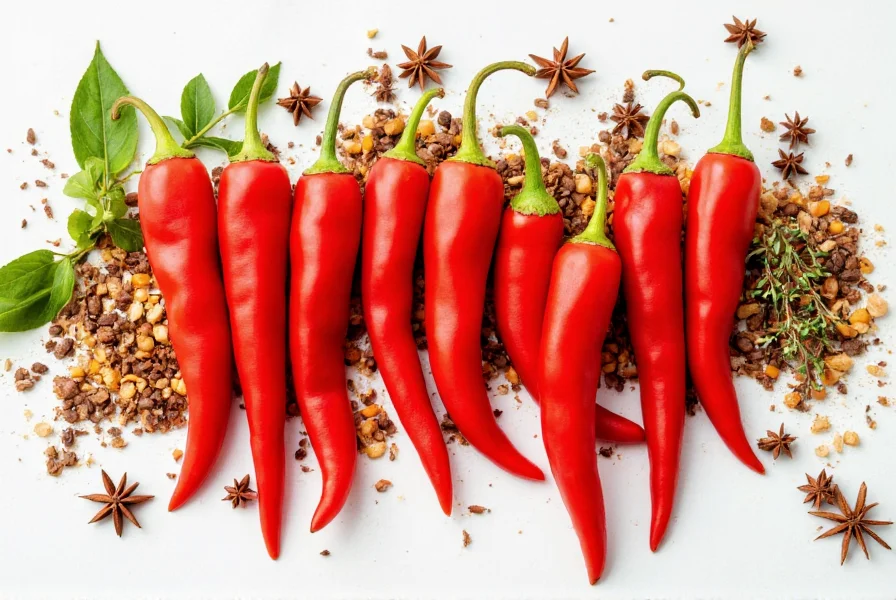
To maintain the distinctive taste of Caribbean red pepper in homemade sauces, proper preservation matters. Freezing whole peppers preserves flavor better than drying. For long-term storage, create pepper ice cubes by blending with minimal water. When making hot sauces, vinegar-based preparations maintain flavor integrity better than oil-based infusions. CARDI's post-harvest guidelines confirm that Caribbean peppers lose 40% of volatile aroma compounds within 24 hours at room temperature—underscoring why traditional methods emphasize immediate processing.
Remember that Caribbean red pepper flavor profile changes significantly when cooked. Gentle simmering preserves fruity notes, while high-heat frying develops smokiness. For authentic results, follow traditional preparation methods that have evolved to maximize these peppers' unique characteristics.




 浙公网安备
33010002000092号
浙公网安备
33010002000092号 浙B2-20120091-4