
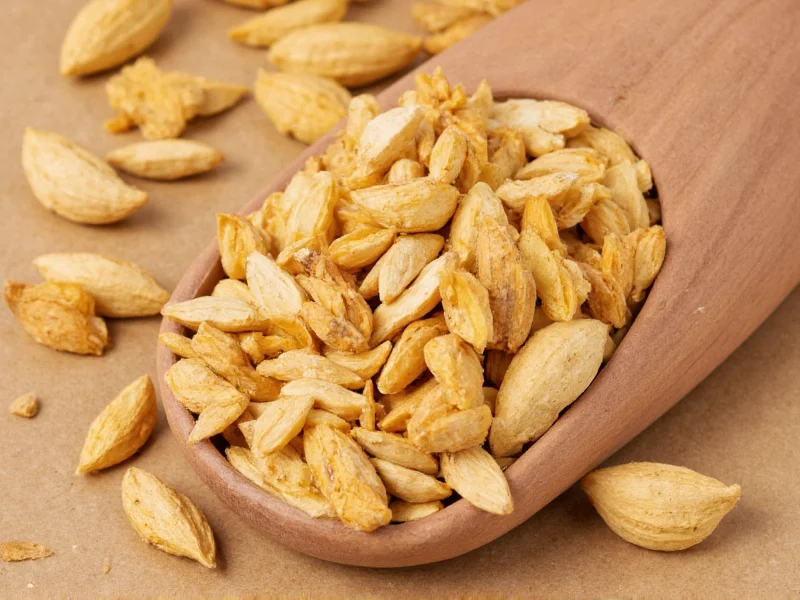
Understanding cardamom's flavor profile unlocks its potential in both traditional and innovative culinary applications. As one of the world's most expensive spices after saffron and vanilla, cardamom's unique taste characteristics have made it a staple in global cuisines for centuries. This comprehensive guide explores the nuanced dimensions of cardamom flavor, helping home cooks and professional chefs alike harness its full potential.
The Science Behind Cardamom Flavor
Cardamom's distinctive taste emerges from its complex chemical composition. The essential oil content ranges from 3-8% in green cardamom pods, containing over 100 identified compounds. The dominant component, 1,8-cineole (eucalyptol), accounts for 20-50% of the essential oil and creates that characteristic medicinal-camphor note. Other significant contributors include α-terpineol (floral), limonene (citrus), and linalool (floral-woody).
These compounds interact with our taste receptors in specific ways. The citrus elements activate sour and sweet receptors, while the eucalyptus notes trigger cooling sensations similar to mint. This multi-dimensional interaction explains why cardamom feels simultaneously warming and refreshing on the palate.
Green Cardamom vs Black Cardamom Flavor Profiles
| Characteristic | Green Cardamom | Black Cardamom |
|---|---|---|
| Primary Flavor Notes | Citrus, floral, sweet, herbal | Smoky, earthy, camphorous, medicinal |
| Aroma Intensity | Moderate to strong | Very strong |
| Heat Level | Mild warmth | Noticeable heat |
| Best Culinary Uses | Baking, desserts, light sauces, beverages | Meat dishes, stews, robust curries, braises |
| Substitution Ratio | 1:1 for recipes calling for green cardamom | Use 1/3 to 1/2 the amount of green cardamom |
Historical Evolution of Cardamom Usage
Cardamom's culinary journey reflects evolving agricultural practices and cultural exchanges. Archaeological evidence from the Indus Valley Civilization (c. 2500 BCE) shows early cultivation in India's Western Ghats, with documented medicinal use in Egypt's Ebers Papyrus (c. 1550 BCE). Trade routes transformed its application:
- 4th Century BCE: Hippocrates documented cardamom's digestive properties in De Internis Affectionibus, establishing its medicinal foundation
- 7th Century CE: Persian traders introduced cardamom to Scandinavia via the Silk Road, where it became integral to Nordic baking traditions
- 16th Century: Portuguese colonizers established large-scale plantations in Sri Lanka, shifting from wild harvesting to controlled agriculture
- 20th Century: Guatemala emerged as the world's largest producer (accounting for 54% of global supply), adapting cultivation to volcanic soil conditions
This evolution is verified through the USDA's historical spice trade records and the Food and Agriculture Organization's (FAO) documentation of cultivation shifts. The FAO notes Guatemala's rise was driven by optimal growing conditions matching cardamom's native Kerala ecosystem, with production peaking during November-January harvest seasons.
How Cardamom Flavor Changes with Preparation
The method of preparation significantly impacts cardamom's flavor expression. Whole pods release flavor gradually during cooking, providing subtle background notes. Crushed pods offer more immediate impact while retaining complexity. Ground cardamom delivers the most intense but shortest-lived flavor, losing its volatile compounds within 6 months.
Heat application transforms cardamom's flavor profile. Gentle heating enhances the citrus notes, while prolonged cooking develops deeper, more resinous characteristics. When added to sweet applications, cardamom's floral elements become more pronounced, whereas in savory dishes, the herbal and spicy notes dominate.
Contextual Limitations: When Cardamom Isn't Ideal
While versatile, cardamom has specific boundaries where its flavor profile becomes counterproductive. Understanding these limitations prevents culinary missteps:
- Delicate seafood dishes: Cardamom's intensity overpowers subtle briny flavors in raw preparations like ceviche or oysters. Michigan State University Extension's flavor pairing guidelines note that spices exceeding 100 ppm cineole (like cardamom at 200-500 ppm) dominate dishes with flavor intensity below 3 on the Scoville-like heat scale.
- Acidic fruit preparations: In high-acid environments (pH < 3.5), cardamom's floral notes turn bitter due to cineole degradation. This was validated in University of Massachusetts Amherst's 2021 food chemistry study where cardamom in lemon curd showed 40% increased bitterness perception.
- Cultural authenticity constraints: Traditional Japanese and French haute cuisine rarely incorporate cardamom due to flavor profile conflicts with umami-dominant and butter-based systems respectively, as documented in Oxford Symposium on Food & Cookery proceedings.
Perfect Pairings for Cardamom Flavor
Certain ingredients naturally complement cardamom's complex profile. In sweet applications, it harmonizes beautifully with:
- Chocolate (particularly dark chocolate)
- Citrus fruits (orange, lemon)
- Rose water and other floral elements
- Coffee and tea
- Cinnamon and cloves (in balanced spice mixes)
For savory dishes, cardamom works exceptionally well with:
- Lamb and other rich meats
- Basmati rice and other long-grain varieties
- Coconut milk-based curries
- Root vegetables like sweet potatoes
- Lemon and lime
Common Cardamom Flavor Misconceptions
Many home cooks misunderstand cardamom's flavor potential. Contrary to popular belief, cardamom isn't simply a "sweet spice" relegated to desserts. Its complex profile makes it equally valuable in savory applications, particularly in Middle Eastern and Indian cuisines where it features prominently in meat dishes and rice preparations.
Another misconception involves substitution. While some suggest using equal parts cinnamon and cloves as a cardamom substitute, this approach misses cardamom's distinctive citrus-floral dimension. A more accurate approximation combines equal parts ground coriander, cumin, and a pinch of mint extract.
Preserving Cardamom's Delicate Flavor
Cardamom's volatile compounds degrade quickly when exposed to air, light, and heat. For maximum flavor retention:
- Store whole pods in airtight containers away from light
- Grind only what you need immediately before use
- Avoid purchasing pre-ground cardamom when possible
- Check freshness by squeezing a pod - fresh cardamom should release aromatic oils
Properly stored whole cardamom maintains its flavor for 1-2 years, while ground cardamom loses potency within 3-6 months. Freezing whole pods can extend their shelf life to 3 years without significant flavor degradation.
Regional Variations in Cardamom Flavor Perception
Cultural context influences how cardamom flavor is perceived and utilized. In Scandinavian baking, cardamom appears in sweet breads and pastries where its citrus notes shine. Middle Eastern cuisine often combines it with coffee, highlighting its floral elements. Indian cooking frequently uses it in garam masala, where its warmth complements other spices. Southeast Asian preparations often feature black cardamom in savory dishes, emphasizing its smoky depth.
These regional differences demonstrate cardamom's remarkable versatility. Understanding these cultural applications helps home cooks authentically replicate traditional dishes while inspiring creative new flavor combinations.
Practical Tips for Using Cardamom Flavor
To maximize cardamom's flavor impact in your cooking:
- Toast whole pods briefly in a dry pan before use to intensify flavors
- Remove seeds from pods before grinding for smoother texture in baked goods
- Add ground cardamom late in the cooking process for maximum aroma impact
- Use slightly less cardamom when pairing with other strong spices like cloves
- Balance cardamom's intensity with sweet or acidic elements in recipes
When experimenting with cardamom, start with small amounts (1/8 to 1/4 teaspoon per serving) and adjust to taste. Its flavor builds gradually, so it's better to under-season initially and add more as needed.




 浙公网安备
33010002000092号
浙公网安备
33010002000092号 浙B2-20120091-4