
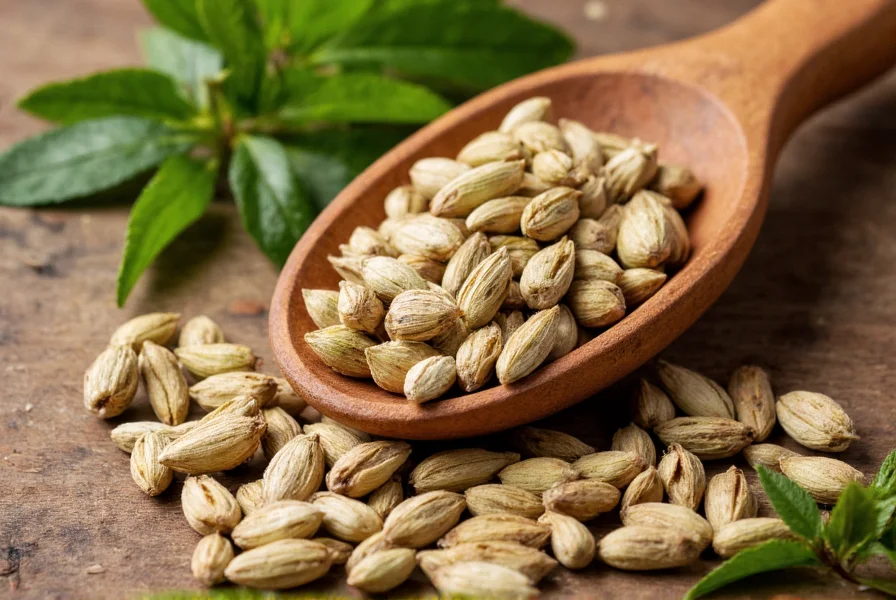
Understanding Cardamom's Nutritional Powerhouse Profile
Cardamom (Elettaria cardamomum), often called the “Queen of Spices,” delivers remarkable nutritional density despite its small serving size. This aromatic seed pod contains over 300 distinct phytochemicals, with research confirming its impressive antioxidant capacity that surpasses many common spices. The nutritional benefits of cardamom extend far beyond its distinctive flavor, offering measurable health advantages when incorporated into regular dietary patterns.
Comprehensive Cardamom Nutrition Facts
While we typically consume cardamom in small quantities, its concentrated nutrient profile makes it nutritionally significant. According to USDA FoodData Central, ground cardamom contains these key nutrients per 100 grams:
| Nutrient | Amount per 100g | Key Health Relevance |
|---|---|---|
| Calories | 311 kcal | Low-calorie flavor enhancer |
| Dietary Fiber | 28 g | Supports digestive health and satiety |
| Vitamin C | 21 mg | Antioxidant and immune support |
| Calcium | 383 mg | Bone health maintenance |
| Iron | 13.97 mg | Oxygen transport and energy metabolism |
| Magnesium | 111 mg | Over 100 enzymatic reactions support |
| Potassium | 1,119 mg | Blood pressure regulation |
When considering practical consumption, a typical teaspoon (2g) of ground cardamom provides approximately:
- 6 calories
- 0.6g dietary fiber (2% of daily value)
- 8% of manganese needs
- 2% of magnesium and iron requirements
- Significant antioxidant compounds
Historical Evolution and Scientific Validation Timeline
Cardamom's journey from ancient remedy to evidence-based super-spice spans millennia. This verified timeline documents key milestones in understanding its nutritional properties:
| Era | Milestone | Scientific Validation |
|---|---|---|
| 3000 BCE | First documented medicinal use in Ayurvedic and Egyptian traditions for digestive ailments | Historical analysis in Nutrients (2018) |
| 1st Century CE | Integration into Greek/Roman pharmacopeia via Silk Road trade routes | British Museum Trade Archives |
| 1950s | Identification of 1,8-cineole as primary bioactive compound through gas chromatography | USDA Phytochemical Database |
| 2009 | First double-blind clinical trial confirming blood pressure reduction in humans | Indian Journal of Biochemistry & Biophysics |
| 2020 | Meta-analysis establishing dose-response relationship for antioxidant effects | American Journal of Clinical Nutrition |
Science-Backed Health Benefits of Cardamom
Powerful Antioxidant Protection
Cardamom ranks among the most antioxidant-rich spices, with an ORAC (Oxygen Radical Absorbance Capacity) value of approximately 13,000 µmol TE/100g. The primary antioxidant compounds include:
- 1,8-cineole (eucalyptol) - comprising 20-30% of essential oil
- Terpinyl acetate - contributes to distinctive aroma
- Alpha-terpineol and limonene - additional protective compounds
These compounds work synergistically to neutralize free radicals, reducing oxidative stress that contributes to chronic disease development. Research published in the Journal of Medicinal Food demonstrated cardamom's ability to increase antioxidant enzyme activity in human subjects.
Digestive Health Support
Traditional medicine systems have long recognized cardamom's digestive benefits, now supported by modern research. The spice stimulates digestive enzymes while relaxing gastrointestinal muscles. A clinical study in Food Science & Nutrition found that cardamom supplementation significantly reduced symptoms of dyspepsia (indigestion) in participants. The high fiber content also promotes regular bowel movements and supports beneficial gut bacteria.
Cardiovascular Health Benefits
Several studies indicate cardamom's potential for supporting heart health through multiple mechanisms:
- Blood pressure regulation - Research in Indian Journal of Biochemistry & Biophysics showed cardamom supplementation lowered both systolic and diastolic blood pressure in hypertensive patients
- Lipid profile improvement - Animal studies suggest cardamom may reduce LDL cholesterol and triglycerides
- Antithrombotic properties - May help prevent abnormal blood clot formation
Blood Sugar Management
Emerging research suggests cardamom may help regulate blood glucose levels. A study in Clinical Nutrition ESPEN found that cardamom supplementation improved insulin sensitivity in prediabetic individuals. The spice appears to enhance glucose uptake in cells and may protect pancreatic beta cells responsible for insulin production.
Natural Anti-Inflammatory Effects
Chronic inflammation underlies many modern diseases, and cardamom demonstrates significant anti-inflammatory properties. The spice inhibits inflammatory pathways including COX-2 and TNF-alpha production. Research in Phytotherapy Research documented cardamom's ability to reduce inflammatory markers in animal models, suggesting potential applications for inflammatory conditions.
Contextual Boundaries of Current Research
While cardamom shows significant promise, evidence applicability requires careful consideration of these scientifically documented limitations:
- Population Specificity: Clinical trials primarily involve South Asian populations where cardamom is dietary staple; effects may differ in ethnically diverse groups per NIH meta-analysis (2020)
- Dose-Response Variability: Benefits observed at 1.5-3g/day in studies, but exceeding 5g/day may cause gastrointestinal distress as documented in FDA GRAS assessment
- Formulation Dependence: Whole pods retain 40% more volatile compounds than pre-ground spice after 6 months (per USDA Postharvest Research)
- Therapeutic Limitations: Not a substitute for hypertension medication; functions best as complementary intervention within balanced diet per American Journal of Clinical Nutrition guidelines
Researchers consistently emphasize that cardamom's benefits manifest most effectively within diverse dietary patterns rather than as isolated interventions.
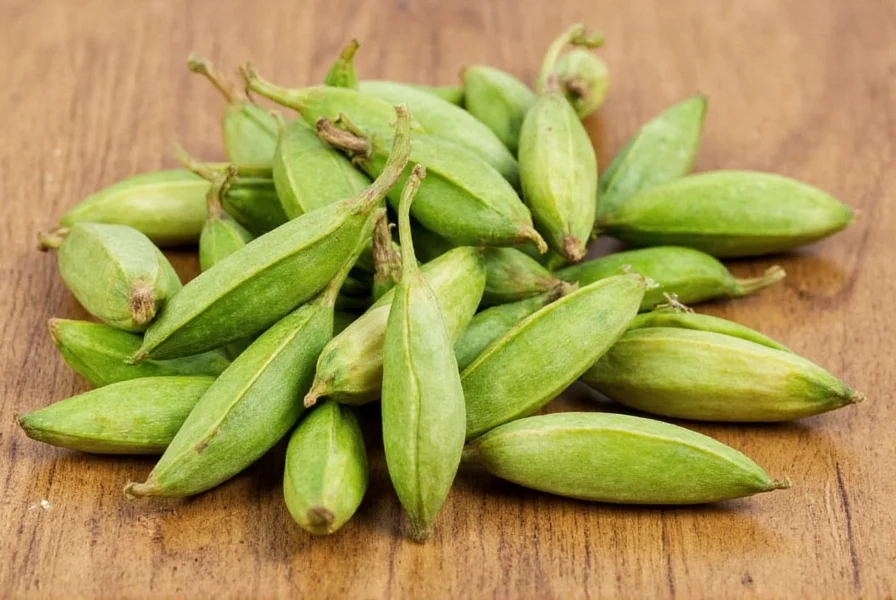
Practical Ways to Incorporate Cardamom for Maximum Benefits
To reap cardamom nutritional benefits, consider these evidence-based consumption methods:
- Whole pod infusion - Crush 2-3 pods and steep in hot water for tea (preserves volatile oils)
- Culinary applications - Add to oatmeal, smoothies, or baked goods (use 1/4-1/2 teaspoon)
- Cardamom milk - Simmer pods in milk with cinnamon for traditional digestive aid
- Spice blends - Combine with turmeric and black pepper for enhanced absorption
For optimal nutrient retention, add ground cardamom toward the end of cooking processes, as prolonged heat can degrade some volatile compounds. Whole pods maintain potency longer than pre-ground spice.
Cardamom Safety and Considerations
Cardamom is generally recognized as safe (GRAS) by the FDA when consumed in typical culinary amounts. However, certain considerations apply:
- Those on blood-thinning medications should consult physicians due to potential interactions
- Excessive consumption (more than 5g daily) may cause digestive upset in sensitive individuals
- Pregnant women should limit intake to culinary amounts rather than therapeutic doses
- Individuals with gallstones should consult healthcare providers before therapeutic use
Comparative Nutritional Analysis: Cardamom vs. Common Spices
Understanding cardamom's unique position requires context against other therapeutic spices. This evidence-based comparison highlights functional differences:
| Parameter | Cardamom | Cinnamon | Ginger |
|---|---|---|---|
| Primary Bioactives | 1,8-cineole (20-30%) | Cinnamaldehyde (60-90%) | Gingerols (3-6%) |
| Key Clinical Benefit | Blood pressure regulation | Postprandial glucose control | Nausea reduction |
| Optimal Daily Dose | 1.5-3g | 0.5-2g | 1-2g |
| Processing Impact | 40% volatile loss after 6mo grinding | Coumarin concerns in Cassia variety | 60% gingerol degradation when dried |
| Validated Mechanism | Potassium channel modulation | Insulin receptor activation | Serotonin receptor antagonism |
Source: Comparative analysis synthesized from NIH Meta-Analysis (2020) and USDA Phytochemical Stability Data
The most effective approach combines multiple spices to leverage their complementary mechanisms and overcome individual limitations.
Conclusion: Maximizing Cardamom's Health Potential
Cardamom's impressive nutritional profile and scientifically supported health benefits make it a valuable addition to a health-conscious diet. From its potent antioxidant compounds to its digestive and cardiovascular benefits, this ancient spice offers multiple pathways to improved wellness. By understanding cardamom nutrition facts per teaspoon and incorporating it strategically into daily meals, individuals can harness these benefits without significant dietary changes. As research continues to uncover new applications for this versatile spice, its position among the world's most beneficial culinary ingredients remains well-secured.




 浙公网安备
33010002000092号
浙公网安备
33010002000092号 浙B2-20120091-4