
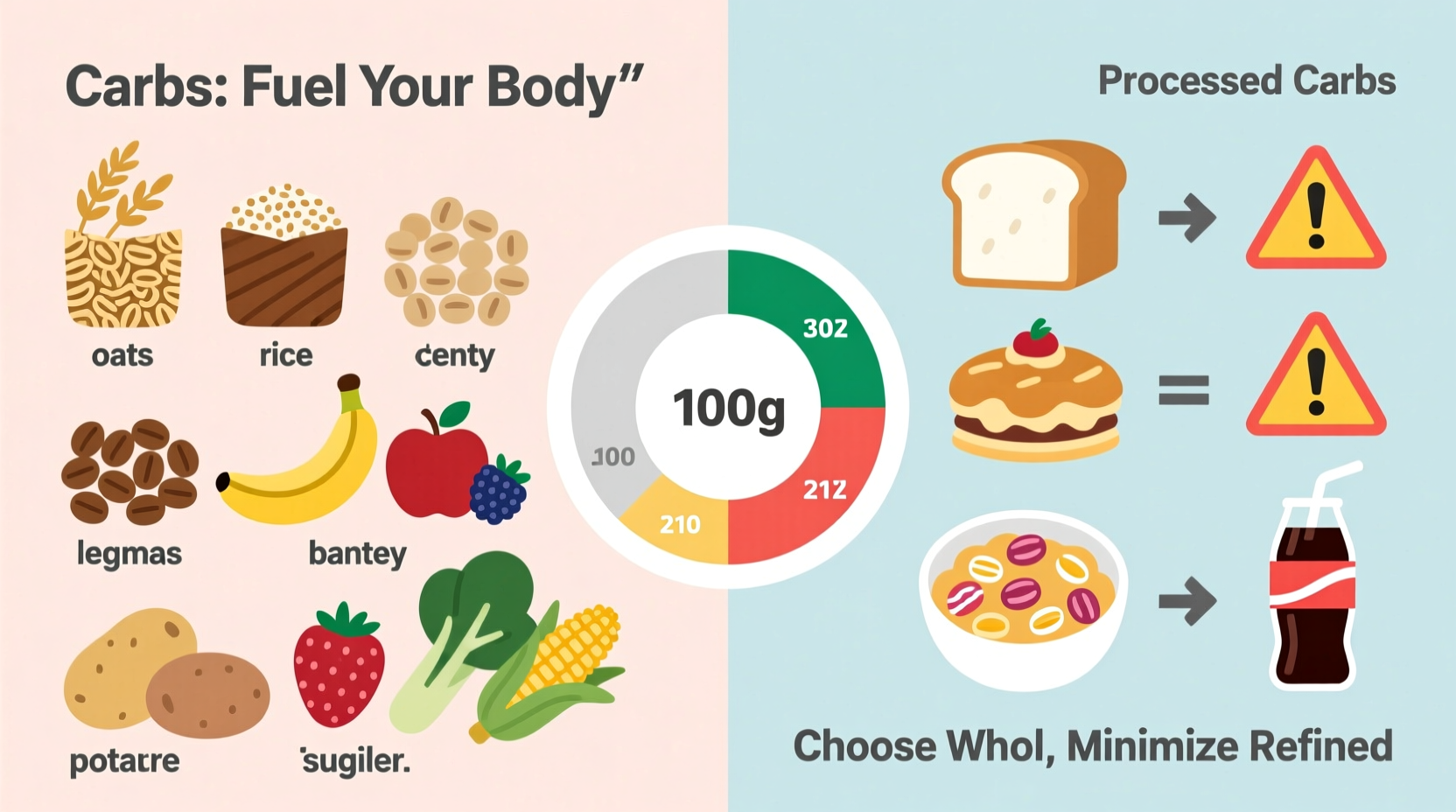
Understanding where carbohydrates naturally occur in foods helps you make informed dietary choices that support your health goals. This comprehensive guide details exactly which foods contain carbohydrates, categorizes them by nutritional value, and provides practical guidance for incorporating the right types of carbs into your daily eating pattern.
What Are Carbohydrates and Why They Matter
Carbohydrates serve as your body's primary energy source, breaking down into glucose that fuels your brain, muscles, and organs. Not all carbs function the same way in your body, which is why understanding the difference between complex and simple carbohydrates is crucial for optimal health.
According to the Harvard T.H. Chan School of Public Health, carbohydrates should constitute 45-65% of your daily caloric intake, with emphasis on quality sources rather than quantity alone. The body processes complex carbohydrates more slowly than simple sugars, providing steady energy without dramatic blood sugar spikes.
Natural Food Sources of Carbohydrates
Whole Grains and Starchy Vegetables
Whole grains represent some of the most nutrient-dense carbohydrate sources available. Unlike refined grains, whole grains retain their fiber-rich bran and germ, which slow digestion and provide essential nutrients. The Centers for Disease Control and Prevention identifies whole grains as important contributors to dietary fiber intake, with most Americans falling short of recommended daily amounts.
Excellent whole grain options include:
- Brown rice (45g carbs per cooked cup)
- Quinoa (39g carbs per cooked cup)
- Oats (27g carbs per cooked cup)
- Whole wheat bread (17g carbs per slice)
- Sweet potatoes (27g carbs per medium potato)
- Winter squash (22g carbs per cup)
Fruits: Nature's Sweet Carbohydrate Sources
Fruits provide carbohydrates in the form of natural sugars combined with fiber, vitamins, and antioxidants. The USDA FoodData Central database shows that while all fruits contain carbohydrates, their glycemic impact varies significantly based on fiber content and sugar composition.
Lower glycemic fruits (better for blood sugar management):
- Berries (11-15g carbs per cup)
- Apples (25g carbs per medium fruit)
- Pears (27g carbs per medium fruit)
- Oranges (12g carbs per medium fruit)
Higher glycemic fruits (consume in moderation):
- Bananas (27g carbs per medium fruit)
- Grapes (15g carbs per cup)
- Mangoes (25g carbs per cup)
- Pineapple (22g carbs per cup)
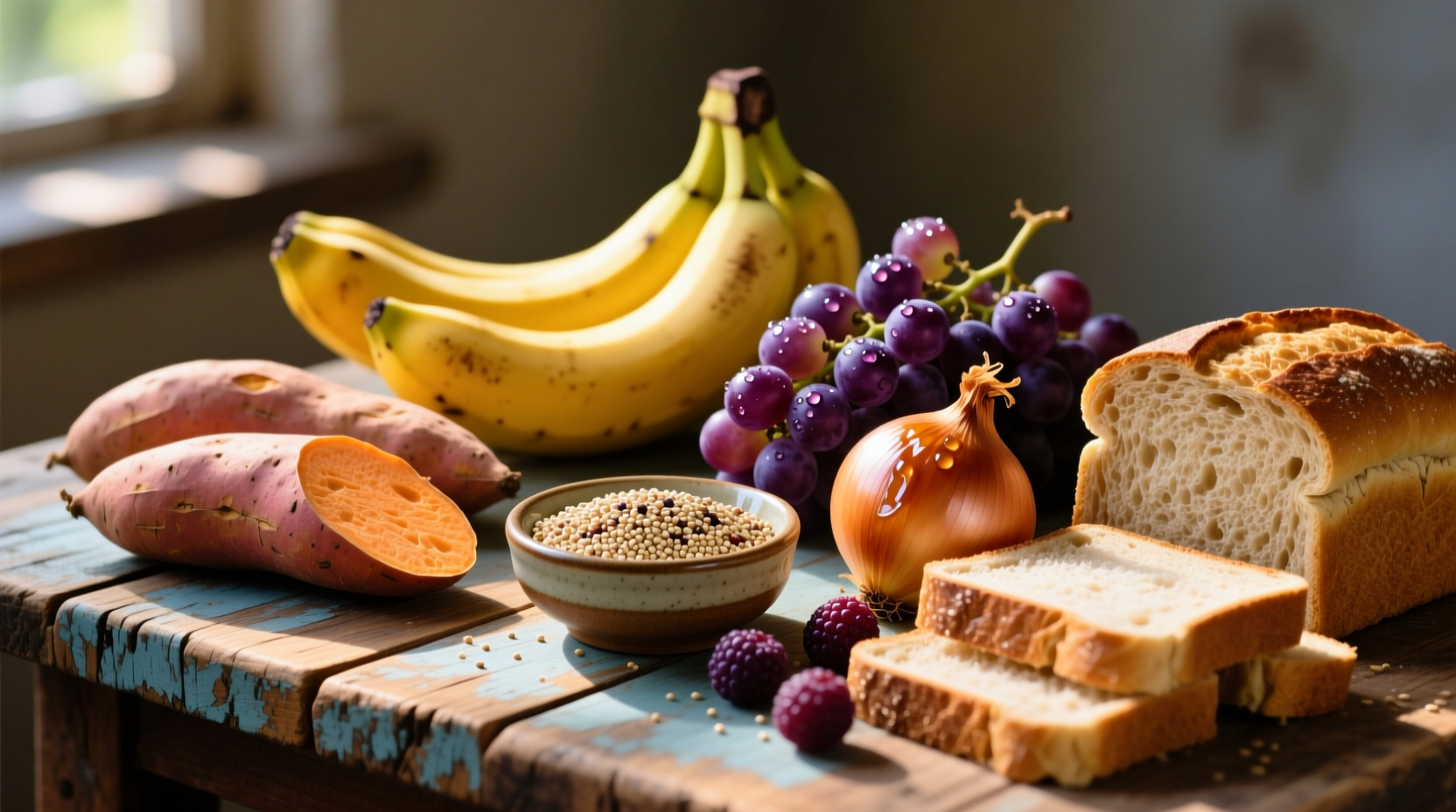
Vegetables: The Carb Spectrum
Vegetables contain varying amounts of carbohydrates, with non-starchy vegetables generally providing fewer carbs than starchy varieties. Understanding this spectrum helps those managing carbohydrate intake for health reasons.
| Vegetable Type | Carbohydrate Content (per cup raw) | Notable Nutrients |
|---|---|---|
| Non-Starchy (Leafy Greens) | 1-5g | Vitamin K, folate, iron |
| Non-Starchy (Cruciferous) | 5-8g | Vitamin C, fiber, glucosinolates |
| Starchy Vegetables | 15-30g | Potassium, vitamin A, resistant starch |
| Legumes | 20-40g | Protein, fiber, iron, folate |
Legumes: Carbohydrates with Protein Benefits
Beans, lentils, and peas offer a unique carbohydrate profile combined with significant protein content. The American Diabetes Association recommends legumes as excellent carbohydrate sources for people managing blood sugar due to their low glycemic index and high fiber content.
Common legume carbohydrate content:
- Black beans (41g carbs per cooked cup)
- Lentils (40g carbs per cooked cup)
- Chickpeas (45g carbs per cooked cup)
- Split peas (43g carbs per cooked cup)
Choosing the Right Carbohydrates for Your Needs
Not all carbohydrate sources serve the same purpose in your diet. Understanding context boundaries helps you select appropriate carb types for different situations:
When to Choose Complex Carbohydrates
- Daily meals: Whole grains, legumes, and vegetables provide sustained energy throughout the day
- Pre-workout nutrition: Oats, sweet potatoes, or whole grain bread 1-2 hours before exercise
- Digestive health: High-fiber sources like beans, berries, and whole grains support gut microbiome
When Simple Carbohydrates Serve a Purpose
- Post-workout recovery: Fruit or sports drinks within 30 minutes after intense exercise
- Low blood sugar episodes: Quickly absorbed carbs like fruit juice for immediate glucose
- Endurance events: Easily digestible carbs during prolonged activity exceeding 90 minutes
Evolution of Carbohydrate Understanding
Our understanding of carbohydrates has evolved significantly over the past century. In the early 1900s, carbohydrates weren't distinguished by quality, with all sugars and starches treated similarly. The 1970s brought recognition of fiber's importance, while the 1980s introduced the glycemic index concept developed by Dr. David Jenkins at the University of Toronto. Modern nutrition science now emphasizes carbohydrate quality over quantity, with the Mayo Clinic noting that "the type of carbohydrate in your diet is just as important as the amount."
Practical Tips for Incorporating Healthy Carbohydrates
Implementing quality carbohydrate sources into your daily routine doesn't require complicated planning. Try these evidence-based strategies:
- Swap refined for whole: Replace white rice with brown rice or quinoa in a 1:1 ratio
- Double your vegetables: Fill half your plate with non-starchy vegetables at each meal
- Combine smartly: Pair carbohydrates with protein and healthy fats to slow digestion
- Read labels carefully: Look for products with at least 3g fiber per serving and minimal added sugars
- Time your intake: Consume higher-carb meals around physical activity for optimal utilization
Remember that individual carbohydrate needs vary based on activity level, health status, and personal goals. The Harvard T.H. Chan School of Public Health emphasizes that "the quality of carbohydrates matters more than the quantity" when building a health-promoting diet.
Frequently Asked Questions
Which foods have the highest carbohydrate content naturally?
Foods naturally highest in carbohydrates include grains like oats and quinoa, starchy vegetables such as potatoes and corn, legumes including beans and lentils, and fruits like bananas and mangoes. Among these, cooked grains typically contain 40-50g of carbohydrates per cup, while legumes provide 20-40g per cooked cup.
What are the healthiest carbohydrate sources to include in daily meals?
The healthiest carbohydrate sources include whole grains (brown rice, quinoa, oats), non-starchy vegetables (broccoli, spinach, peppers), legumes (lentils, black beans, chickpeas), and lower-glycemic fruits (berries, apples, pears). These foods provide complex carbohydrates along with fiber, vitamins, minerals, and phytonutrients that support overall health and stable blood sugar levels.
How can I identify quality carbohydrate sources when grocery shopping?
Look for foods with at least 3 grams of fiber per serving and minimal added sugars. Choose whole food options like intact grains rather than refined products. Check ingredient lists for whole grain identification ("whole wheat," "brown rice," "oats" as first ingredients). Avoid products where sugar appears among the first three ingredients. The USDA MyPlate guidelines recommend making half your grains whole grains for optimal nutrition.
Do all carbohydrates affect blood sugar equally?
No, carbohydrates affect blood sugar differently based on their structure and accompanying nutrients. Complex carbohydrates with fiber (like whole grains and legumes) cause gradual blood sugar increases, while simple sugars and refined carbs (like white bread and candy) cause rapid spikes. The glycemic index measures this effect, with lower values indicating slower digestion. Pairing carbs with protein, fat, or fiber further moderates blood sugar response.




 浙公网安备
33010002000092号
浙公网安备
33010002000092号 浙B2-20120091-4