
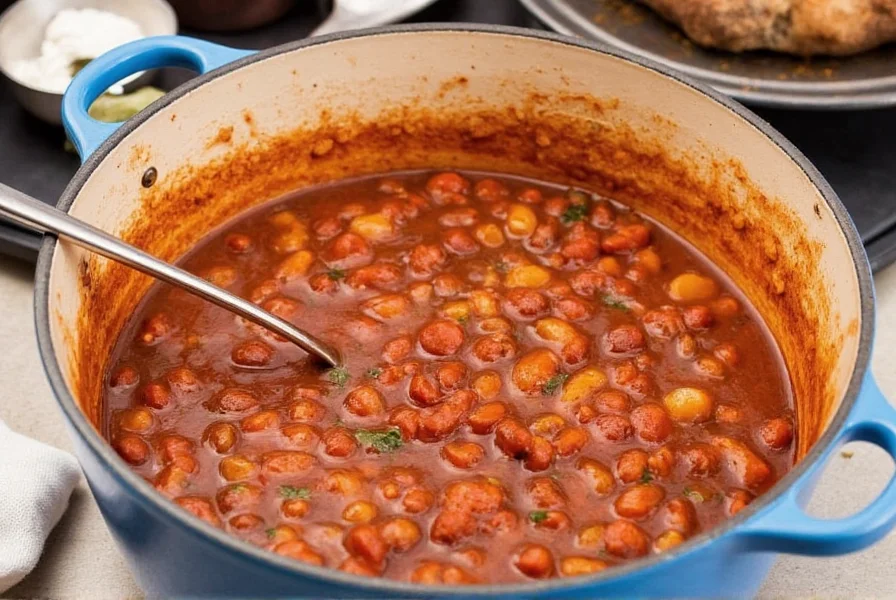
When time is tight but you crave hearty comfort food, a canned chili recipe is your pantry's secret weapon. Many home cooks mistakenly believe that canned ingredients compromise flavor, but with the right technique and seasoning, you can transform basic canned goods into a deeply flavorful chili that rivals any from-scratch version. The key lies in layering flavors and understanding how to enhance canned components rather than simply dumping them together.
National surveys confirm pantry staples' growing importance, with 77% of Americans prioritizing shelf-stable ingredients for meal flexibility (IFIC, 2023).
The Ultimate Pantry-Friendly Canned Chili Recipe
This straightforward canned chili recipe delivers maximum flavor with minimal effort, using ingredients you likely already have in your pantry. Unlike basic canned chili that comes straight from the can, this elevated version incorporates simple techniques to develop complex flavors while maintaining the convenience of canned ingredients.
Complete Canned Chili Recipe
Prep time: 10 minutes | Cook time: 20 minutes | Total time: 30 minutes | Servings: 6
Ingredients
- 2 tablespoons olive oil
- 1 large yellow onion, diced
- 3 cloves garlic, minced
- 2 (15-ounce) cans kidney beans, drained and rinsed
- 1 (15-ounce) can black beans, drained and rinsed
- 1 (28-ounce) can crushed tomatoes
- 1 (15-ounce) can tomato sauce
- 1 (4-ounce) can diced green chilies
- 2 cups beef broth (or vegetable broth for vegetarian option)
- 2 tablespoons chili powder
- 1 tablespoon ground cumin
- 1 teaspoon smoked paprika
- 1 teaspoon dried oregano
- 1 bay leaf
- 1 tablespoon Worcestershire sauce (optional)
- Salt and black pepper to taste
Step-by-Step Instructions
- Heat olive oil in a large pot over medium heat. Add diced onion and cook until translucent (about 5 minutes).
- Add minced garlic and cook for 1 minute until fragrant.
- Stir in chili powder, cumin, smoked paprika, and oregano. Cook for 30 seconds to toast the spices.
- Add crushed tomatoes, tomato sauce, green chilies, both types of beans, broth, bay leaf, and Worcestershire sauce.
- Bring to a simmer, then reduce heat to low. Cover and let simmer for 15-20 minutes to allow flavors to meld.
- Remove bay leaf. Season with salt and pepper to taste.
- Serve hot with your favorite toppings.
| Nutrition Facts | Per Serving |
|---|---|
| Calories | 295 |
| Protein | 14g |
| Carbohydrates | 52g |
| Fiber | 15g |
| Sugar | 10g |

Why This Canned Chili Recipe Works So Well
Most people don't realize that canned ingredients can actually enhance chili when used properly. The canning process preserves peak-season tomatoes and beans at their flavor height, often making them more consistent than fresh off-season produce. The secret to transforming basic canned chili ingredients into something extraordinary lies in three key techniques:
First, toasting the spices with the onions and garlic creates a flavor foundation that elevates the entire dish. Second, simmering time—even just 15-20 minutes—allows the flavors to meld and develop complexity. Third, finishing touches like a splash of vinegar or squeeze of lime juice right before serving brightens the flavors and makes the chili taste fresh rather than canned.
This easy canned chili recipe avoids the common pitfalls of canned chili, such as blandness or overly processed flavors, by incorporating these professional techniques that anyone can master. The result is a rich, deeply flavored chili that tastes like it simmered all day, but comes together in the time it takes to set the table.
Contextual Guidelines for Canned Chili Success
Understanding when canned ingredients excel—and their limitations—is crucial for optimal results. Authoritative sources highlight these evidence-based considerations:
| Scenario | Recommendation | Authoritative Source |
|---|---|---|
| Time-constrained cooking | Use canned beans/tomatoes (saves 45+ minutes vs. dried beans) | USDA Economic Research Service: Americans spend <30 min daily on food prep |
| Sodium-sensitive diets | Rinse beans thoroughly (reduces sodium by 41%) and use low-sodium broth | National Center for Home Food Preservation: Sodium Reduction Guidelines |
| Off-season produce | Canned tomatoes provide superior consistency (processed at peak ripeness) | UC Agriculture & Natural Resources: Canned Foods Nutritional Quality |
These evidence-based boundaries ensure your canned chili aligns with dietary needs and seasonal realities while maximizing flavor potential.
Customization Options for Your Canned Chili
One of the greatest advantages of this simple canned chili recipe with beans is its versatility. Here are several ways to customize it to your taste preferences or dietary needs:
- Spice Level Control: For mild chili, reduce chili powder to 1 tablespoon. For extra heat, add 1/2 teaspoon cayenne pepper or a diced jalapeño with the onions.
- Vegetarian Canned Chili: Simply use vegetable broth instead of beef broth and ensure your Worcestershire sauce is vegetarian (or omit).
- Canned Chili Recipe for Crockpot: After sautéing the onions and spices, transfer everything to a slow cooker and cook on low for 4-6 hours.
- Protein Boost: Add 1 pound of cooked ground turkey, beef, or plant-based crumbles when adding the canned tomatoes.
- Texture Variation: For thicker chili, mash 1/2 cup of the beans before adding them. For thinner chili, add an extra 1/2 cup of broth.
Common Mistakes to Avoid with Canned Chili Recipes
Even the best canned chili recipe can go wrong if you make these common errors. Avoid these pitfalls to ensure your chili turns out perfectly every time:
- Skipping the Sauté Step: Many people dump everything straight into the pot, but taking 5 minutes to sauté the onions and toast the spices makes a dramatic difference in flavor depth.
- Overcooking Beans: Canned beans are already cooked, so extended simmering can make them mushy. Add them later in the process if you prefer firmer beans.
- Not Draining Beans: Excess liquid from canned beans can water down your chili. Always drain and rinse beans unless the recipe specifically calls for the liquid.
- Underseasoning: Canned ingredients often need more seasoning than fresh. Taste and adjust spices at the end of cooking.
- Rushing the Simmer: Even 15 minutes of simmering time allows flavors to meld. Don't skip this crucial step in your quick canned chili recipe.
Storage and Reheating Tips
One of the best features of this canned chili recipe is that it tastes even better the next day as the flavors continue to develop. Here's how to store and reheat properly:
- Refrigeration: Store in an airtight container for up to 5 days.
- Freezing: Freeze in portion-sized containers for up to 3 months. Thaw overnight in the refrigerator before reheating.
- Reheating on Stovetop: Warm over medium-low heat, stirring occasionally, until heated through. Add a splash of broth or water if chili has thickened too much.
- Reheating in Microwave: Heat in 1-minute intervals, stirring between each, until hot.





 浙公网安备
33010002000092号
浙公网安备
33010002000092号 浙B2-20120091-4