
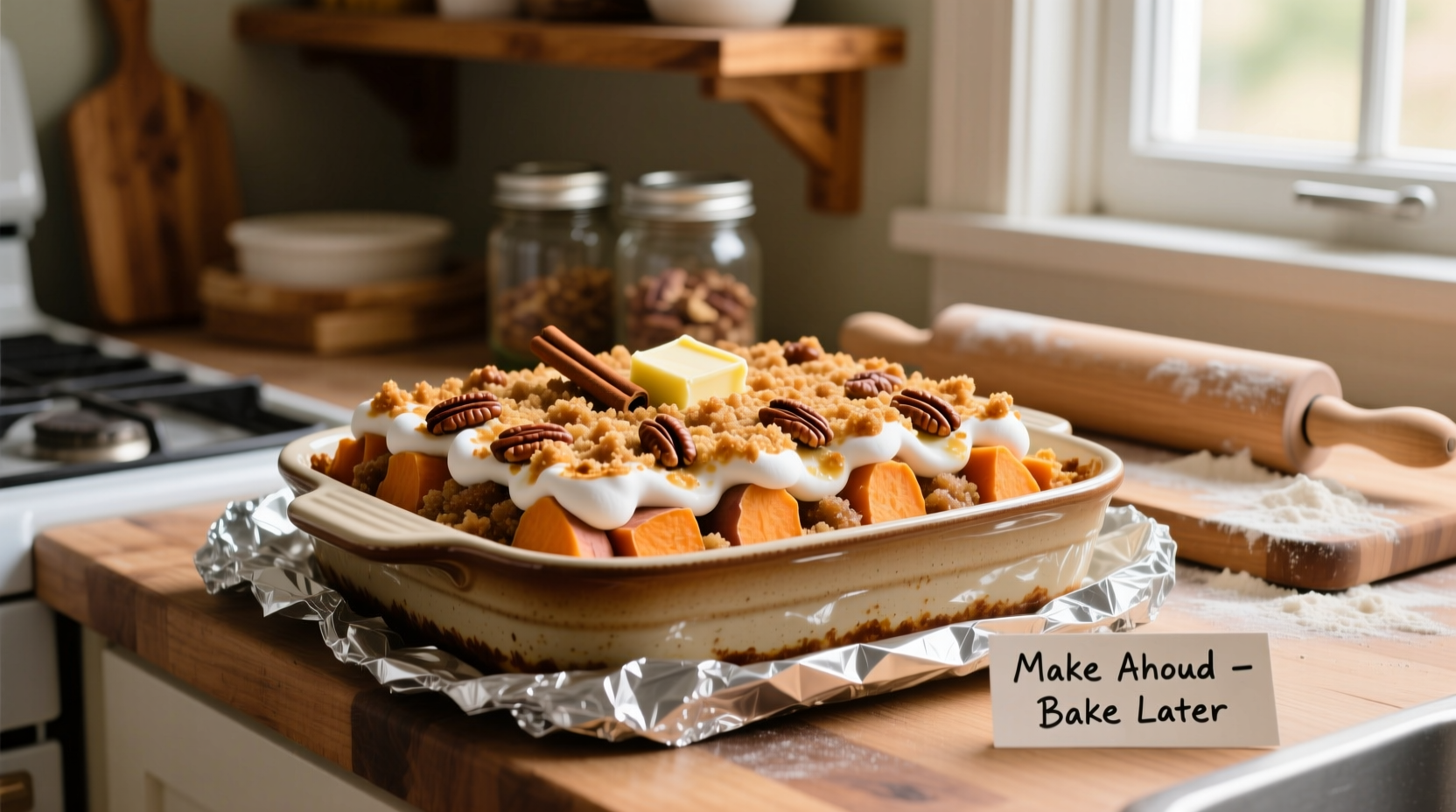
Planning holiday meals can transform from stressful to seamless with smart make-ahead strategies. As a culinary professional with years of holiday cooking experience, I've perfected the art of preparing sweet potato casserole in advance without sacrificing that signature creamy texture and golden-brown finish.
Make-Ahead Sweet Potato Casserole Timeline
Understanding the proper timeline ensures your casserole emerges from the oven looking and tasting freshly prepared. The sweet potato base actually benefits from resting, allowing flavors to meld beautifully.
Peel, boil, and mash sweet potatoes. Cool completely before proceeding. According to USDA food safety guidelines, cooked sweet potatoes remain safe for 3-5 days when properly stored in airtight containers at or below 40°F (4°C).
Mix mashed sweet potatoes with eggs, butter, spices, and liquid ingredients. Transfer to your baking dish, cover tightly with plastic wrap (pressed directly onto the surface to prevent discoloration), then wrap with aluminum foil.
Remove casserole from refrigerator 30 minutes before baking. Add your topping (pecans, brown sugar, marshmallows), then bake according to your recipe's temperature and time requirements.
Storage Methods Compared
| Storage Method | Duration | Quality Preservation | Best For |
|---|---|---|---|
| Refrigerated (assembled without topping) | 1-2 days | ★★★★☆ | Most reliable make-ahead option |
| Refrigerated (components separate) | 2-3 days | ★★★☆☆ | Maximum flexibility |
| Freezer (before baking) | 1 month | ★★★☆☆ | Long-term planning |
| Freezer (fully assembled) | 2 weeks | ★★☆☆☆ | Emergency backup |
Step-by-Step Make-Ahead Guide
Preparing Components Ahead of Time
When making sweet potato casserole ahead of time, separate preparation of components yields the best results. Cook and mash your sweet potatoes, then cool them completely before mixing with wet ingredients. The University of Minnesota Extension confirms that cooling cooked starches before refrigeration prevents moisture migration that leads to sogginess.
For optimal texture preservation when making sweet potato casserole the day before, store the filling mixture separately from the topping. This prevents the crunchy elements from becoming soggy. Place plastic wrap directly on the surface of the filling to create an airtight seal that prevents oxidation and skin formation.
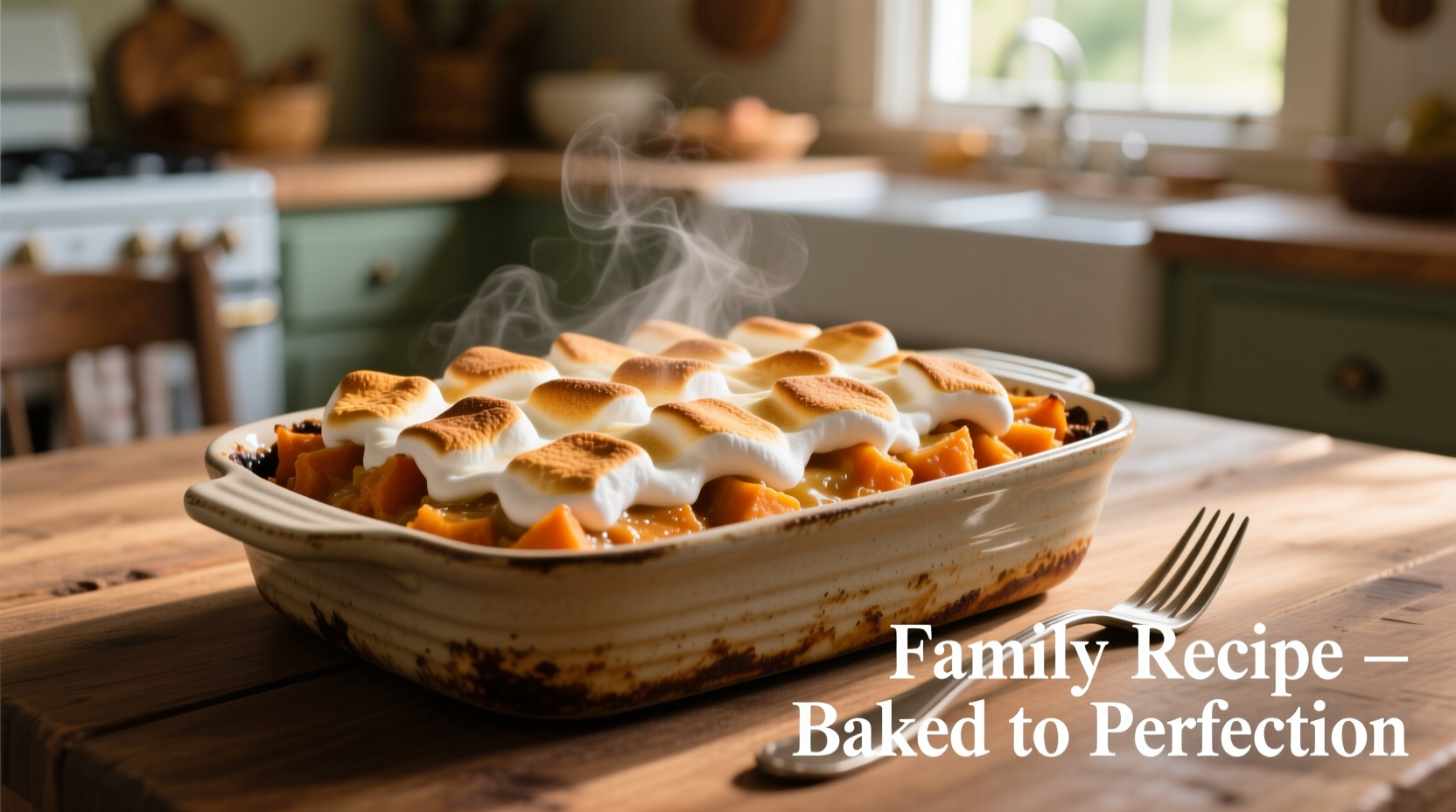
Assembly Strategies for Best Results
The critical factor in successful make-ahead sweet potato casserole is understanding which components hold up well to storage and which don't. The sweet potato base maintains excellent texture for 48 hours when properly stored, but the topping requires special attention.
For pecan or streusel toppings, store them in a separate airtight container at room temperature. Marshmallow toppings should always be added during the final 5-10 minutes of baking. When preparing sweet potato casserole ahead of time, remember that the topping provides the textural contrast that makes this dish special—keeping it crisp and fresh is essential.
Storage Techniques: Refrigeration vs Freezing
Refrigeration is generally preferable for make-ahead sweet potato casserole, as freezing can alter the texture of the sweet potato base. If freezing is necessary, the National Center for Home Food Preservation recommends freezing the casserole before adding any topping and using within two weeks for best quality.
When storing sweet potato casserole before baking, always use shallow containers (no deeper than 2 inches) to ensure even cooling and reheating. This prevents the "danger zone" temperature range (40-140°F) where bacteria multiply rapidly.
Reheating for Perfect Texture
Proper reheating technique makes the difference between a make-ahead success and disappointment. Remove your casserole from the refrigerator 30 minutes before baking to take the chill off. Preheat your oven to the temperature specified in your recipe (typically 350-375°F).
Cover the dish with foil for the first 20-25 minutes of baking, then remove the foil, add your topping, and finish baking until the center reaches 165°F as measured by a food thermometer. This temperature guideline from the FDA ensures food safety while maintaining optimal texture.
Troubleshooting Common Issues
Soggy Topping Solutions
If you've ever wondered how to keep sweet potato casserole topping crunchy when made ahead, the solution lies in timing. Always add crunchy toppings during the final 10-15 minutes of baking. For pecan toppings, toast the nuts separately and store them in an airtight container at room temperature—this preserves their crunch better than pre-mixing with sugars.
Preventing Discoloration
Sweet potatoes naturally contain enzymes that cause browning when exposed to air. To prevent discoloration when making sweet potato casserole ahead of time, press plastic wrap directly onto the surface of the filling before refrigerating. A light sprinkle of lemon juice (1 teaspoon per 2 cups of sweet potatoes) can also help maintain that vibrant orange color without affecting flavor.
Texture Maintenance Tips
The secret to maintaining creamy texture in make-ahead sweet potato casserole lies in proper cooling before refrigeration. Rushing this step causes condensation that makes the filling watery. Allow your mashed sweet potatoes to cool to room temperature (about 70°F) before mixing with other ingredients and refrigerating.
Expert Tips for Holiday Success
As someone who's prepared hundreds of holiday meals, I've discovered that the best way to store sweet potato casserole before baking involves a simple trick: under-bake the sweet potatoes slightly when making them ahead. They'll finish cooking perfectly during the final bake, resulting in an ideal creamy texture without becoming watery.
When preparing sweet potato casserole the day before Thanksgiving, consider making individual portions in ramekins. This approach allows for even reheating and creates an elegant presentation. Just remember to adjust baking times downward by 5-7 minutes for individual servings.
For those wondering how far in advance can you make sweet potato casserole, the sweet spot is 24-48 hours. Beyond this timeframe, moisture migration begins to affect texture, though the dish remains safe to eat. The flavor actually improves slightly as the spices meld, but texture quality peaks at the 36-hour mark.




 浙公网安备
33010002000092号
浙公网安备
33010002000092号 浙B2-20120091-4