
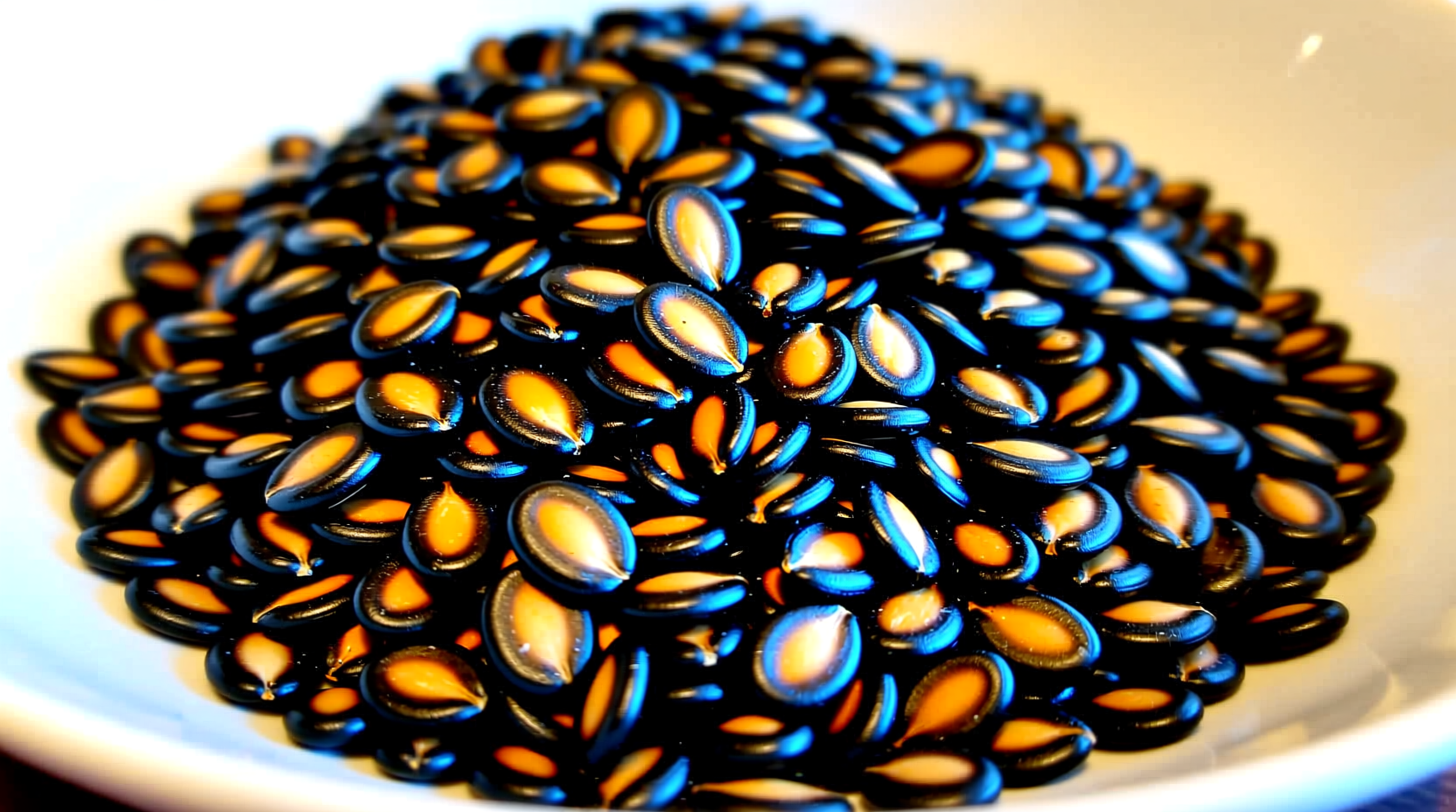
The Truth About Black Watermelon Seeds: What You Need to Know
Many of us have grown up spitting out watermelon seeds without a second thought, especially the dark, mature ones. But what if you've accidentally swallowed them? Or wondered whether they're actually safe to eat? This common kitchen dilemma has spawned numerous myths about watermelon seed toxicity that simply aren't true. Let's separate fact from fiction with science-backed information you can trust.
Understanding Watermelon Seed Development
Watermelon seeds change color as they mature. When you bite into a watermelon, you'll notice two types of seeds:
| Seed Type | Appearance | Maturity Level | Edibility |
|---|---|---|---|
| White/Immature Seeds | Pale, soft, underdeveloped | Early development stage | Edible but flavorless |
| Black/Mature Seeds | Dark, hard shell, fully formed | Complete development | Nutritious but tough when raw |
The black seeds represent fully mature seeds that contain the highest concentration of nutrients. Contrary to popular belief, they contain no toxins and won't grow a watermelon in your stomach—this myth has absolutely no scientific basis.
Nutritional Powerhouse in Disguise
Black watermelon seeds pack a surprising nutritional punch. According to USDA FoodData Central, a quarter cup of dried watermelon seeds contains:
- Approximately 180 calories
- 10 grams of protein
- 15 grams of healthy fats (mostly unsaturated)
- Significant amounts of magnesium, iron, zinc, and potassium
- Essential amino acids and B vitamins
These nutritional benefits have been recognized for centuries across various cultures. In West Africa, watermelon seeds (known as egusi) have been a traditional food source for generations, often ground into soups and stews. Similarly, in parts of China and Eastern Europe, roasted watermelon seeds are a popular snack.
Safety Considerations: What the Research Shows
Multiple studies published in the Journal of Food Composition and Analysis confirm that watermelon seeds contain no harmful compounds. The U.S. Food and Drug Administration (FDA) lists watermelon seeds as generally recognized as safe (GRAS) for consumption.
The only potential issue with eating raw black watermelon seeds is their tough outer coating, which can cause:
- Mild digestive discomfort for some people
- Difficulty chewing, especially for children
- Reduced nutrient absorption compared to prepared seeds
There's no evidence of toxicity, but proper preparation significantly improves both safety and nutritional value.
How to Prepare Black Watermelon Seeds for Optimal Benefits
Raw black watermelon seeds aren't dangerous, but preparing them properly unlocks their full potential. Here's a simple method that transforms these overlooked seeds into a delicious, nutritious snack:
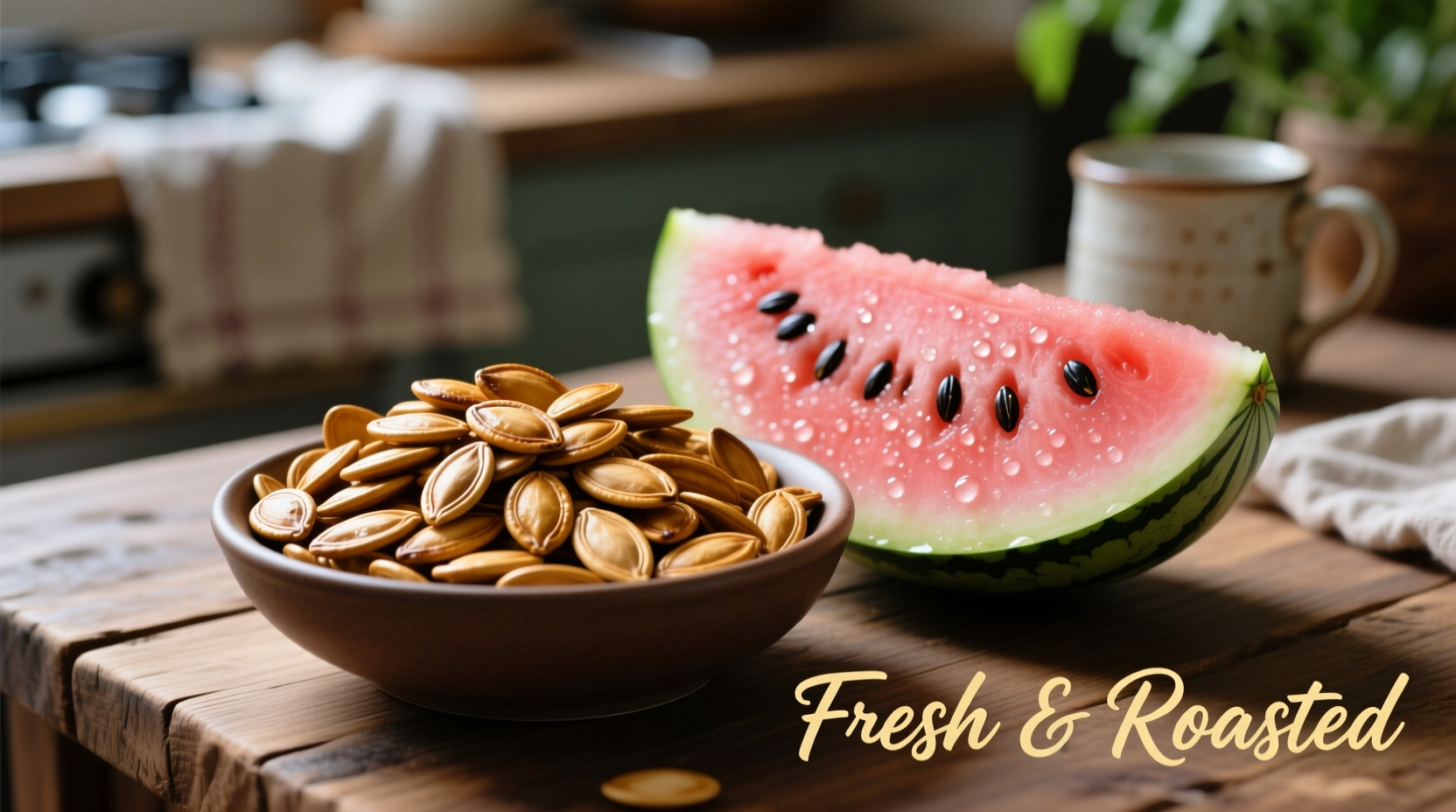
Roasting Watermelon Seeds: Step-by-Step
- Collect and clean: After enjoying your watermelon, collect the black seeds and rinse thoroughly to remove pulp
- Dry completely: Spread seeds on a paper towel and let air dry for 24-48 hours (or use a dehydrator)
- Season: Toss with olive oil and your choice of seasonings (try sea salt, garlic powder, or cumin)
- Roast: Bake at 325°F (160°C) for 15-20 minutes until golden and crisp
Alternative Preparation Methods
For those who prefer different textures or want maximum nutrient absorption:
- Sprouting: Soak seeds for 24 hours, then drain and keep moist for 2-3 days until small sprouts appear. This increases enzyme activity and nutrient availability.
- Grinding: Process dried seeds into a fine powder to add to smoothies, baked goods, or oatmeal.
- Boiling: Simmer seeds for 15-20 minutes to soften the shell before roasting.
Cultural Timeline of Watermelon Seed Consumption
Watermelon seeds have been valued as food across multiple civilizations throughout history:
- Ancient Egypt (2000 BCE): Watermelon seeds found in pharaohs' tombs, suggesting their importance as food
- West African Traditions (Centuries): Egusi seeds used as thickening agent and protein source in soups
- Chinese Snack Culture (Since Ming Dynasty): Roasted watermelon seeds became popular street food
- Eastern European Folklore (19th Century): Watermelon seed oil used in traditional cooking and skincare
- Modern Culinary Revival (21st Century): Chefs rediscovering watermelon seeds as sustainable, nutrient-dense ingredient
Practical Tips for Home Use
Ready to make the most of your watermelon seeds? Follow these practical recommendations:
- When to collect: Harvest seeds from fully ripe watermelons for maximum nutritional value
- Storage: Keep dried seeds in an airtight container for up to 6 months at room temperature
- For children: Always prepare seeds by roasting or grinding to prevent choking hazards
- Recipe ideas: Add roasted seeds to salads, trail mix, or blend into seed butter as alternative to nut butters
When to Exercise Caution
While black watermelon seeds are generally safe for most people, consider these context boundaries:
- Digestive sensitivity: Those with IBS or other digestive conditions may want to start with small portions of prepared seeds
- Allergies: Though rare, seed allergies do exist—introduce gradually if you have known seed allergies
- Medication interactions: The magnesium content could potentially interact with certain medications (consult your doctor if taking muscle relaxants or blood pressure medication)
- Children under 4: Avoid giving whole seeds due to choking risk; opt for ground or sprouted versions instead
Maximizing Your Watermelon Experience
Next time you enjoy a refreshing slice of watermelon, consider saving those black seeds rather than discarding them. With proper preparation, they transform from an afterthought into a nutrient-dense snack that reduces food waste and expands your culinary repertoire. Whether you're looking to boost your protein intake, add more magnesium to your diet, or simply try something new, these tiny seeds offer surprising benefits that deserve a place in your kitchen routine.




 浙公网安备
33010002000092号
浙公网安备
33010002000092号 浙B2-20120091-4