
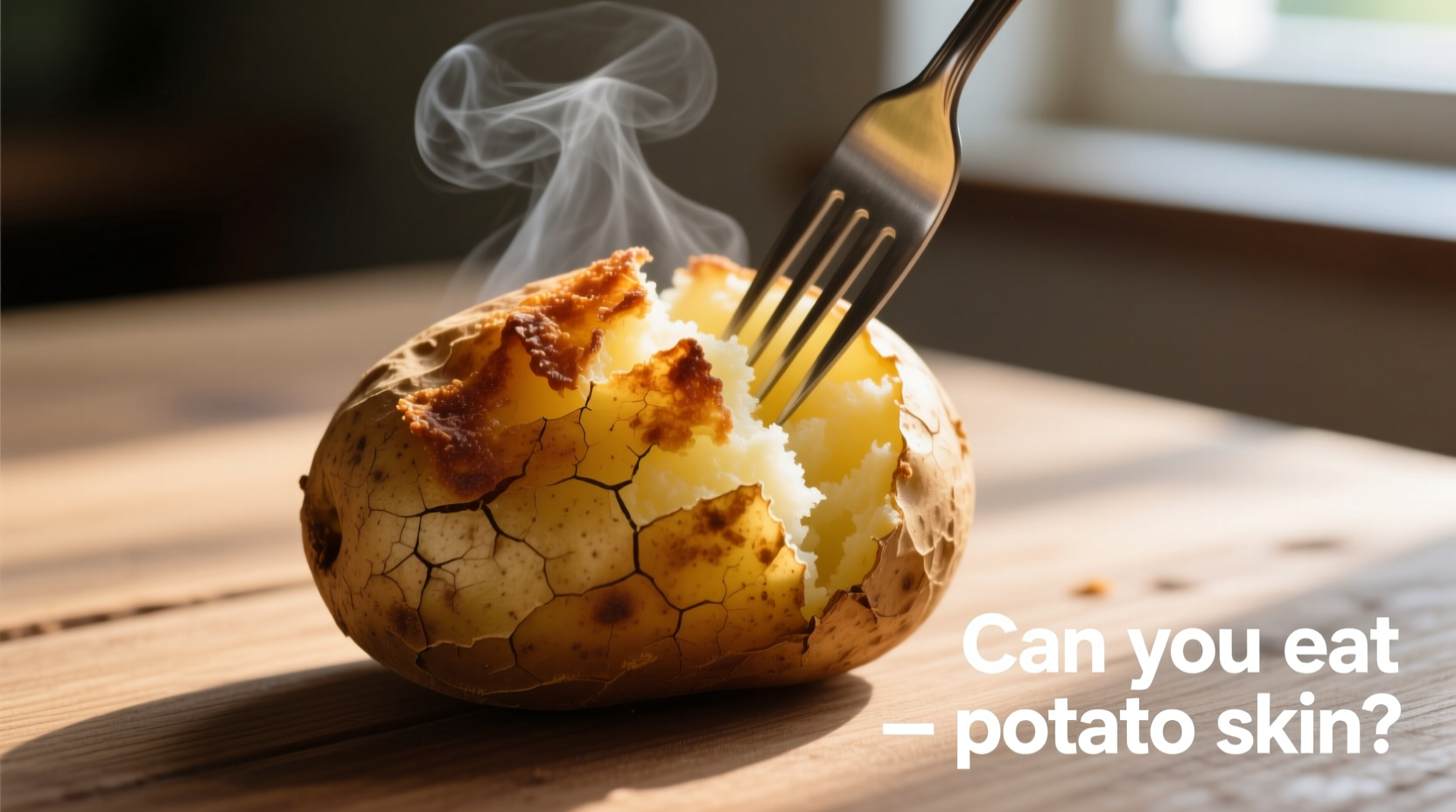
Yes, you can eat potato skin safely when properly prepared. Potato skins contain valuable fiber, vitamins, and minerals that boost nutritional value. However, you must thoroughly wash potatoes and remove any green spots or sprouts, which contain potentially harmful compounds. For most people, eating potato skin provides significant health benefits when incorporated into a balanced diet.
Why Potato Skins Deserve a Place on Your Plate
When you peel a potato, you're discarding some of its most nutritious components. According to USDA FoodData Central, potato skins contain up to 50% more fiber than the flesh alone and concentrate essential nutrients like potassium, iron, and vitamin C. The rough exterior isn't just protective packaging—it's a nutritional powerhouse waiting to be enjoyed.
Nutritional Benefits: More Than Just Fiber
Potato skins deliver impressive nutritional advantages that many home cooks miss by automatically peeling. The skin contains nearly half of a potato's total dietary fiber, which supports digestive health and helps maintain stable blood sugar levels. Research from the American Journal of Clinical Nutrition shows that consuming fiber-rich foods like potato skins can reduce the risk of heart disease by up to 30%.
| Nutrient | Per 100g Potato Flesh | Per 100g Potato Skin |
|---|---|---|
| Dietary Fiber | 1.3g | 2.8g |
| Potassium | 328mg | 498mg |
| Vitamin C | 11.4mg | 19.7mg |
| Iron | 0.31mg | 0.82mg |
The skin also contains valuable antioxidants called polyphenols, which help combat oxidative stress in the body. These compounds are particularly concentrated in colored potato varieties like purple and red potatoes. A study published in the Journal of Agricultural and Food Chemistry found that potato skins contain higher antioxidant activity than the flesh, making them worth keeping whenever possible.
Safety First: When Potato Skins Pose Risks
While potato skins are generally safe to eat, certain conditions require caution. The FDA warns that green spots on potato skins indicate the presence of solanine, a naturally occurring toxin that can cause nausea, headaches, and digestive issues when consumed in large quantities. This green color develops when potatoes are exposed to light.
According to agricultural experts at Cornell University's College of Agriculture and Life Sciences, "Solanine concentrations become concerning when potatoes develop extensive green coloring or sprouting. Small green spots can be safely removed by cutting away the affected area plus one-eighth inch around it." Their research shows that properly prepared potato skins pose minimal risk to healthy adults.
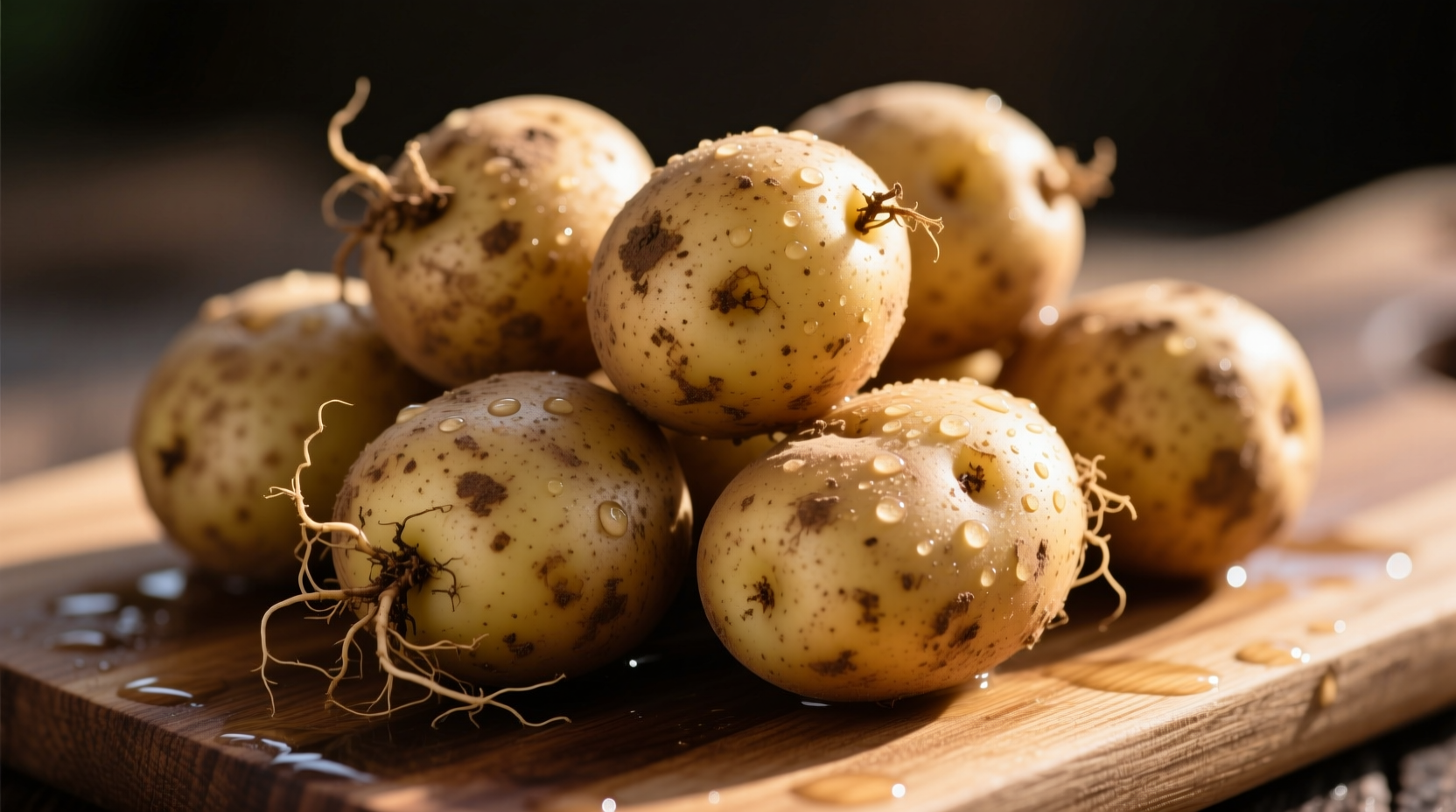
Always inspect potatoes before cooking. Discard any with extensive green coloring, significant sprouting, or soft, wrinkled skin. For potatoes with minor imperfections, simply cut away the affected areas before cooking with the skin on.
Maximizing Benefits: Best Practices for Eating Potato Skin
Proper preparation makes all the difference when enjoying potato skins. Start by thoroughly washing potatoes under running water using a clean vegetable brush. This removes dirt and reduces potential pesticide residues. The Environmental Working Group's 2024 Shopper's Guide to Pesticides in Produce notes that while potatoes rank moderately for pesticide residues, proper washing significantly reduces exposure.
Cooking methods matter too. Baking or roasting potatoes with skin intact preserves more nutrients than boiling, which can leach water-soluble vitamins into the cooking water. Try these preparation techniques:
- Baked potato skins: Pierce skin with a fork, bake at 400°F for 45-60 minutes
- Roasted wedges: Toss unpeeled potato wedges with olive oil and herbs
- Hash browns: Grate whole potatoes including skin for extra fiber
- Mashed potatoes: Steam or bake whole potatoes before mashing with skin
Common Myths Debunked
Myth: All potato skins contain harmful levels of pesticides.
Fact: While conventionally grown potatoes may have pesticide residues, the levels typically fall within FDA safety limits. Washing reduces residues significantly, and the nutritional benefits generally outweigh minimal pesticide exposure for most people.
Myth: Potato skins cause digestive problems for everyone.
Fact: While some people with sensitive digestive systems may experience discomfort from the additional fiber, most adults tolerate potato skins well. Gradually increasing fiber intake helps your system adjust.
Myth: Nutrients are only in the flesh, not the skin.
Fact: Research from the University of Maine's Cooperative Extension shows that many nutrients concentrate in the skin and just beneath it, making peeling counterproductive for maximizing nutritional value.
Special Considerations for Different Diets
For individuals following specific dietary patterns, potato skins offer unique advantages. Those managing diabetes benefit from the skin's fiber content, which helps moderate blood sugar response compared to peeled potatoes. The American Diabetes Association recommends including potato skins when preparing potatoes for better glycemic control.
People on weight management plans find that eating potato skins increases satiety. A study in the journal Appetite found that participants consuming whole potatoes with skin felt fuller longer than those eating peeled potatoes, potentially reducing overall calorie intake.
For those with digestive sensitivities, start with small portions of well-cooked potato skins and gradually increase as tolerated. Cooking breaks down some of the fiber, making it easier to digest while preserving nutritional benefits.
Practical Tips for Everyday Cooking
Incorporating potato skins into your meals doesn't require special techniques. Try these simple approaches:
- Leave skins on when making potato salad for added texture and nutrition
- Create crispy potato skin snacks by baking thin slices with minimal oil
- Add unpeeled potatoes to soups and stews for natural thickening
- Make twice-baked potatoes by scooping out flesh while leaving skins intact
When selecting potatoes, choose firm specimens with smooth, unblemished skin. Store them in a cool, dark place away from onions, which can accelerate sprouting. Proper storage extends freshness and reduces the risk of developing green spots or sprouts.
Conclusion: Embrace the Whole Potato
Eating potato skin safely enhances both the nutritional value and flavor of this versatile vegetable. By following proper preparation techniques and understanding when to exercise caution, you can enjoy the full benefits of this often-discarded component. The next time you're preparing potatoes, consider keeping the skin on—it's not just edible, but nutritionally advantageous when handled correctly.
Can you eat sweet potato skin?
Yes, sweet potato skins are completely edible and nutritious. They contain fiber, vitamins, and antioxidants. Simply wash thoroughly before cooking. Unlike regular potatoes, sweet potatoes don't develop harmful solanine compounds, making their skins consistently safe to eat.
How do you properly clean potato skins?
Scrub potatoes under running water using a clean vegetable brush. For extra cleaning, use a mixture of water and vinegar. Pay special attention to any crevices or eyes. Never use soap or detergent on produce intended for consumption.
Are organic potato skins safer to eat?
Organic potato skins typically have lower pesticide residues, but both organic and conventionally grown potato skins are safe when properly washed. The nutritional benefits of eating potato skins generally outweigh minimal pesticide exposure concerns for most people.
Can potato skins cause digestive issues?
For most people, potato skins don't cause digestive problems. However, those with sensitive digestive systems may experience mild discomfort from the additional fiber. Start with small portions and ensure potatoes are well-cooked to improve digestibility.
What should you do if potatoes develop green spots?
Cut away green spots completely, removing at least one-eighth inch of tissue around the affected area. If green discoloration is extensive, discard the entire potato. Green spots indicate solanine presence, which can cause nausea and digestive discomfort in larger quantities.




 浙公网安备
33010002000092号
浙公网安备
33010002000092号 浙B2-20120091-4