
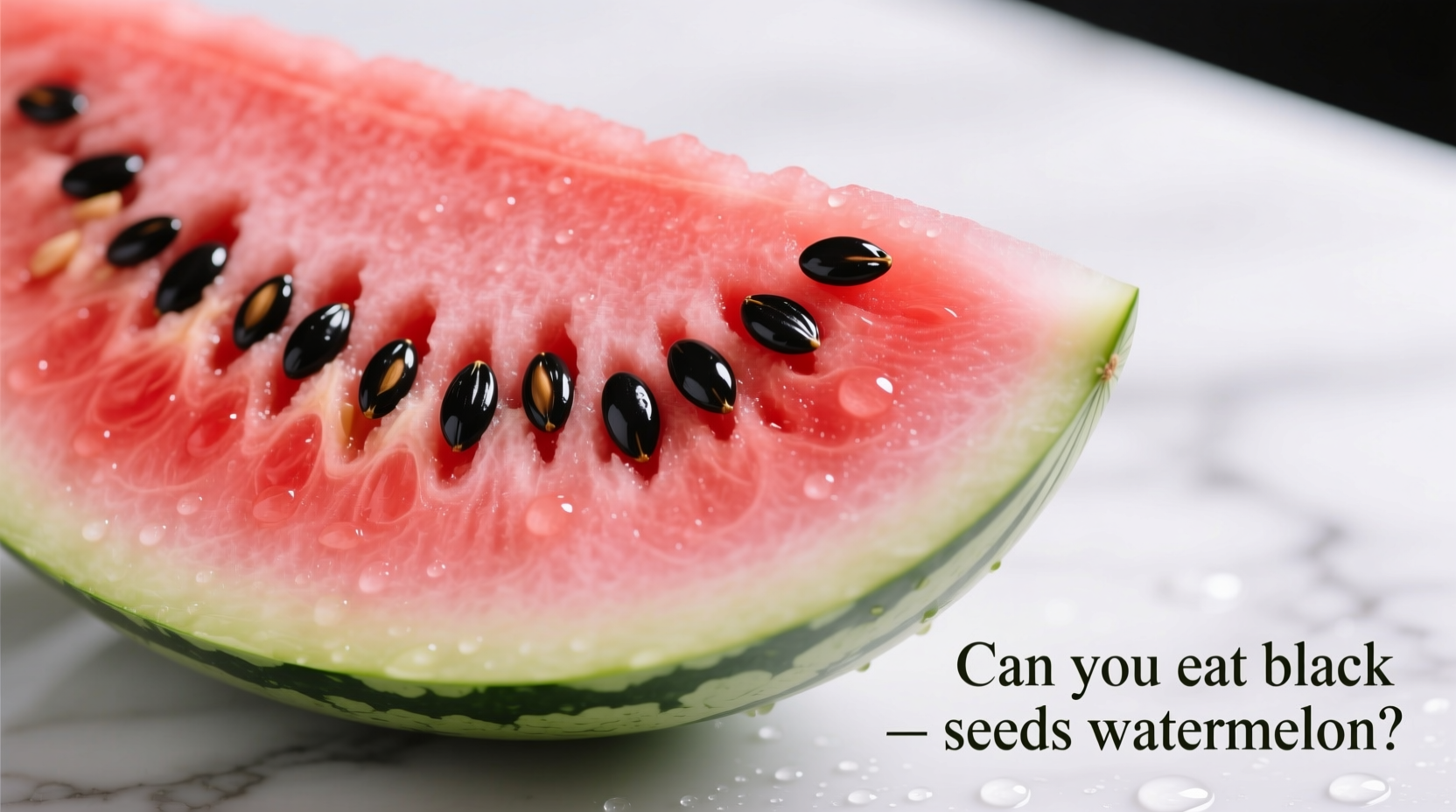
Yes, you can safely eat black seeds from watermelon. These mature seeds are completely edible, nutrient-dense, and pose no health risks when consumed in normal food quantities. Unlike some fruit seeds that contain harmful compounds, watermelon seeds are safe to eat raw or roasted and offer valuable protein, healthy fats, and essential minerals.
Discovering black seeds while enjoying a refreshing slice of watermelon often prompts the question: should you spit them out or swallow them? The straightforward answer is you can absolutely eat them—and you might be missing out on valuable nutrition by discarding them. Watermelon seeds aren't just harmless; they're packed with protein, magnesium, iron, and healthy fats that contribute to overall wellness.
Understanding Watermelon Seed Types
Watermelons produce two distinct seed types that serve different purposes:
| Seed Type | Appearance | Edibility | Common In |
|---|---|---|---|
| Mature Black Seeds | Hard, dark brown to black | Fully edible and nutritious | Traditional watermelon varieties |
| Immature White Seeds | Soft, pale white or cream | Edible but less nutritious | Seedless watermelon varieties |
The black seeds you find in conventional watermelons have fully developed and contain concentrated nutrients. These differ from the soft white "seedless" varieties that never mature to the hard, dark stage. Both types are safe to eat, but the black seeds offer significantly more nutritional value.
Nutritional Powerhouse in Tiny Packages
According to USDA FoodData Central, a quarter-cup (30g) serving of dried watermelon seeds provides:
- 158 calories
- 10g protein (comparable to many nuts)
- 14g healthy fats (mostly unsaturated)
- 10% of daily magnesium needs
- 17% of daily iron requirements
- Significant zinc and potassium
These nutritional facts position watermelon seeds as a valuable plant-based protein source, particularly beneficial for vegetarians and vegans. The seeds contain arginine, an amino acid that supports cardiovascular health by promoting healthy blood vessel function.
Safe Consumption Guidelines
While watermelon seeds are completely safe for consumption, proper preparation enhances both safety and enjoyment:
Raw consumption: You can safely eat black watermelon seeds raw as they contain no toxic compounds. However, the hard outer shell might be difficult to digest for some people, potentially causing minor digestive discomfort if consumed in large quantities.
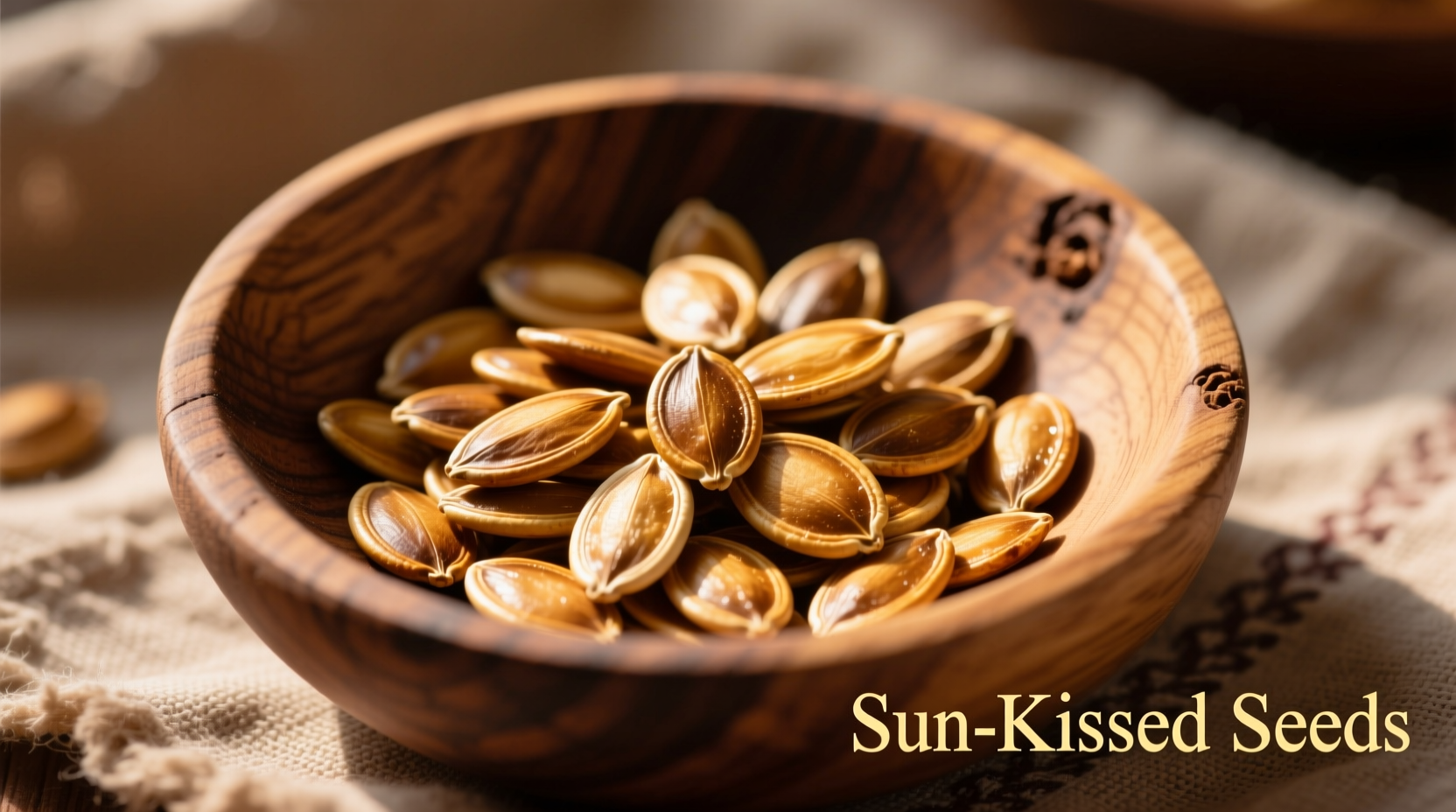
Roasting method: For optimal digestion and flavor, roasting is recommended. Simply spread seeds on a baking sheet, mist lightly with oil, sprinkle with salt or spices, and bake at 325°F (160°C) for 15-20 minutes until golden brown and crisp.
Food safety experts at the FDA confirm that watermelon seeds present no food safety concerns when properly cleaned and stored. Unlike apple or cherry seeds that contain cyanogenic compounds, watermelon seeds are completely safe to consume without special processing.
Creative Ways to Enjoy Watermelon Seeds
Transform what you might consider waste into delicious snacks with these preparation methods:
Classic roasted seeds: Toss cleaned seeds with olive oil, sea salt, and your choice of spices (try cumin and paprika for a savory version, or cinnamon and honey for sweet).
Seed butter: Blend roasted seeds into a creamy spread similar to peanut butter—perfect for toast or as a dip for fruits.
Salad topper: Add a crunchy element to green salads or grain bowls by sprinkling roasted seeds on top.
Baking ingredient: Incorporate ground seeds into breads, muffins, or energy bars for added protein and texture.
Special Considerations
While watermelon seeds are safe for most people, consider these factors:
Digestive sensitivity: Individuals with digestive disorders might experience mild discomfort from the fiber content when consuming large quantities of raw seeds. Roasting improves digestibility.
Allergy considerations: Though rare, some people may have seed allergies. If you experience itching, swelling, or digestive upset after consuming watermelon seeds, discontinue use and consult a healthcare provider.
Children's consumption: The American Academy of Pediatrics notes that while watermelon seeds pose no toxicity risk, the small size presents a minor choking hazard for young children. Supervise children when they're eating watermelon with seeds.
Research published in the Journal of Food Science and Technology confirms that watermelon seed consumption shows no adverse effects in normal dietary amounts and may contribute to improved cardiovascular markers due to their healthy fat profile.
From Garden to Snack Bowl: A Sustainable Approach
Instead of discarding watermelon seeds, follow this simple process to transform them into nutritious snacks:
- After enjoying your watermelon, collect the black seeds
- Rinse thoroughly under cold water to remove fruit residue
- Spread on a clean kitchen towel and air-dry for 24 hours
- Store in an airtight container in the refrigerator for up to 2 weeks before roasting
- Roast when ready to enjoy for maximum freshness and crunch
This sustainable practice reduces food waste while providing access to a nutrient-dense snack. Agricultural extension programs at land-grant universities like Cornell Cooperative Extension promote this approach as part of their food waste reduction initiatives.
Frequently Asked Questions
Do watermelon seeds need to be removed before eating?
No, watermelon seeds don't need to be removed. Black watermelon seeds are completely edible and nutritious. While some people prefer to remove them for texture reasons, they're safe to consume and provide valuable nutrients like protein and healthy fats.
Can eating watermelon seeds cause appendicitis or other digestive problems?
No, eating watermelon seeds cannot cause appendicitis. This is a common myth with no scientific basis. Watermelon seeds pass through the digestive system without issue for most people. Those with sensitive digestive systems might experience mild discomfort from large quantities of raw seeds, but roasting improves digestibility.
How many watermelon seeds should I eat in one sitting?
A reasonable serving size is about 1/4 cup (30g) of dried seeds, which provides approximately 158 calories. This amount offers significant nutritional benefits without excessive calorie intake. As with any food, moderation is key, especially if you're monitoring calorie intake.
Are watermelon seeds good for weight loss?
Watermelon seeds can support weight management due to their high protein and healthy fat content, which promotes satiety. The fiber content also helps you feel full longer. However, they're calorie-dense, so portion control is important when including them in a weight loss diet.
Can I grow watermelon from the black seeds I eat?
Yes, the mature black seeds from watermelon are viable for planting. If you dry them properly (air-dry for 24 hours), they can be stored and planted in spring. Many gardeners save seeds from heirloom watermelons to grow the same variety the following season.




 浙公网安备
33010002000092号
浙公网安备
33010002000092号 浙B2-20120091-4