
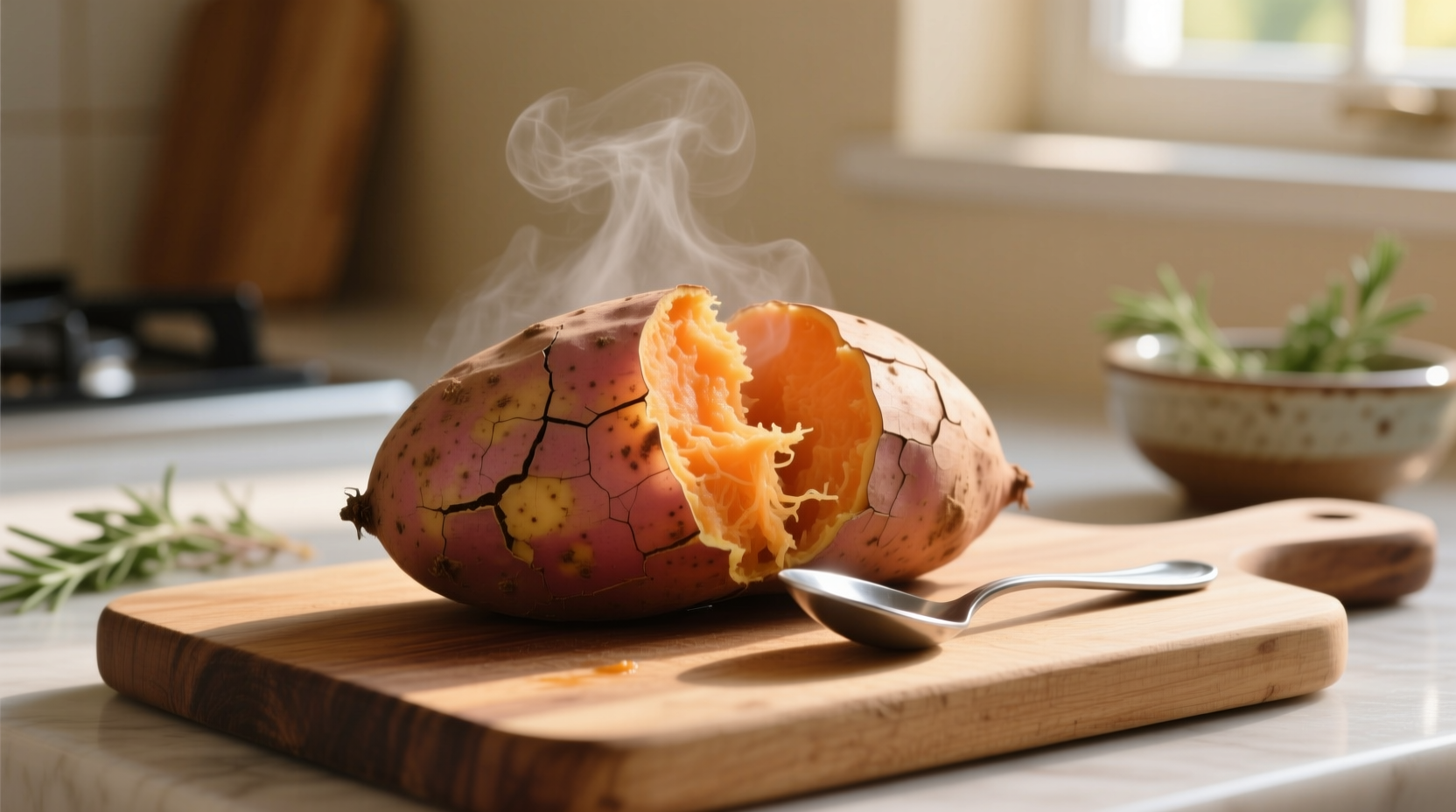
Yes, you can absolutely boil sweet potatoes. Boiling is one of the simplest and most effective methods for cooking sweet potatoes, typically taking 20-30 minutes depending on size and whether they're cut into pieces. This method preserves nutrients while creating a tender texture perfect for mashing, salads, or further cooking.
Boiling sweet potatoes might seem straightforward, but getting it right makes all the difference between perfectly tender results and waterlogged disappointment. As a chef who's taught thousands of home cooks professional techniques, I've seen how mastering this basic method transforms everyday meals. Whether you're preparing baby food, meal prepping for the week, or creating a holiday side dish, boiling sweet potatoes properly gives you versatile, nutrient-rich results every time.
Why Boiling Works Best for Sweet Potatoes
Unlike baking which can dry out sweet potatoes, boiling maintains moisture while softening the dense flesh. This method preserves more water-soluble vitamins like vitamin C compared to roasting. The USDA FoodData Central confirms boiled sweet potatoes retain 90% of their vitamin A content, crucial for immune function and vision health.
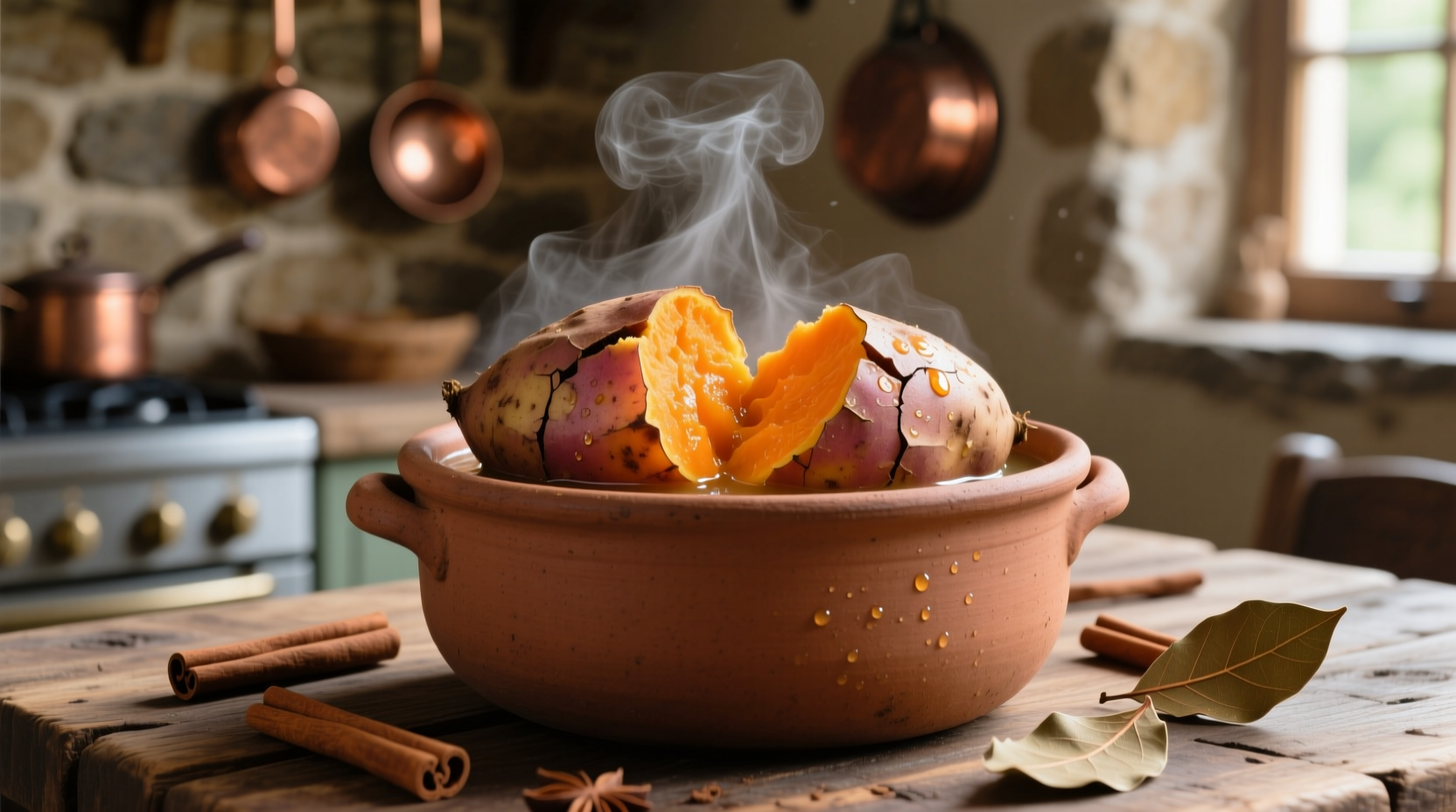
Your Step-by-Step Boiling Guide
Follow these professional kitchen-tested steps for foolproof results:
- Prep properly - Wash thoroughly under cold water. Leave skins on for maximum nutrient retention (peel after cooking if desired)
- Size matters - Cut uniform 1-inch cubes for even cooking (whole medium potatoes take 30-40 minutes)
- Cold start - Place in cold water, not boiling, to prevent uneven cooking
- Season wisely - Add 1 tsp salt per quart of water (enhances natural sweetness)
- Simmer gently - Bring to boil, then reduce to low simmer (vigorous boiling breaks potatoes)
- Test doneness - Insert fork at 20 minutes; should slide in easily with no resistance
| Cooking Method | Time Required | Nutrient Retention | Best For |
|---|---|---|---|
| Boiling | 20-30 minutes | High (vitamins C & B6) | Mashing, salads, baby food |
| Steaming | 15-25 minutes | Highest overall | Nutrient-focused diets |
| Baking | 45-60 minutes | Moderate (better for beta-carotene) | Caramelized flavor, whole servings |
| Roasting | 25-35 minutes | Good (enhances sweetness) | Crispy edges, concentrated flavor |
Avoid These Common Boiling Mistakes
Even experienced cooks make these errors that compromise results:
- Starting in boiling water - Causes uneven cooking (exterior turns mushy while center stays hard)
- Overcrowding the pot - Lowers water temperature, extending cooking time (use 4-quart pot per pound)
- Adding salt too early - Wait until water boils to prevent pitting (National Center for Home Food Preservation)
- Peeling before cooking - Removes protective skin barrier, causing nutrient loss into water
Telling When Sweet Potatoes Are Perfectly Cooked
Don't rely solely on timing - check for these visual and tactile cues:
- Fork slides in with zero resistance but doesn't cause chunks to fall apart
- Color deepens to vibrant orange (for orange varieties)
- Skin pulls away slightly from cut edges
- Internal temperature reaches 205°F (96°C) on instant-read thermometer
Overcooked sweet potatoes become waterlogged and lose structure - they'll fall apart when touched and have a pale, washed-out color. Undercooked potatoes feel firm when pierced and retain their raw starchiness.
Creative Uses for Perfectly Boiled Sweet Potatoes
Don't limit yourself to basic mashing. Try these professional chef techniques:
- Quick puree - Blend with 2 tbsp olive oil while warm for silky texture (no dairy needed)
- Cold salad base - Chill boiled cubes for potato salad alternative (holds shape better than regular potatoes)
- Baby food - Single-ingredient puree provides essential nutrients for infants
- Meal prep foundation - Store boiled chunks for quick grain bowls or breakfast hashes
Storage Tips for Maximum Freshness
Proper storage extends usability while maintaining quality:
- Refrigerate cooled potatoes in airtight container for up to 5 days (USDA Food Safety guidelines)
- Freeze in portioned bags for up to 12 months (blanch first for best texture)
- Never store in water - causes nutrient leaching and texture breakdown
- Reheat gently in microwave with damp paper towel to prevent drying
Troubleshooting Common Issues
Solve these frequent problems with professional solutions:
- Waterlogged texture - Boiled too long or started in hot water (next time: reduce time by 5 minutes)
- Bland flavor - Add citrus zest to water or finish with vinegar-based dressing
- Inconsistent cooking - Cut pieces to uniform size (use kitchen scale for precision)
- Skin sticking - Cool slightly before peeling (10-15 minutes makes removal easier)
Boiling vs Other Methods: When to Choose What
While boiling works well for many applications, consider these factors when selecting your cooking method:
- Time constraints - Boiling is faster than baking but slower than microwaving
- Nutrient priorities - Boiling preserves water-soluble vitamins better than roasting
- Final dish requirements - Use boiled potatoes for moist applications, roasted for concentrated flavor
- Equipment available - Boiling requires minimal equipment compared to oven methods




 浙公网安备
33010002000092号
浙公网安备
33010002000092号 浙B2-20120091-4