
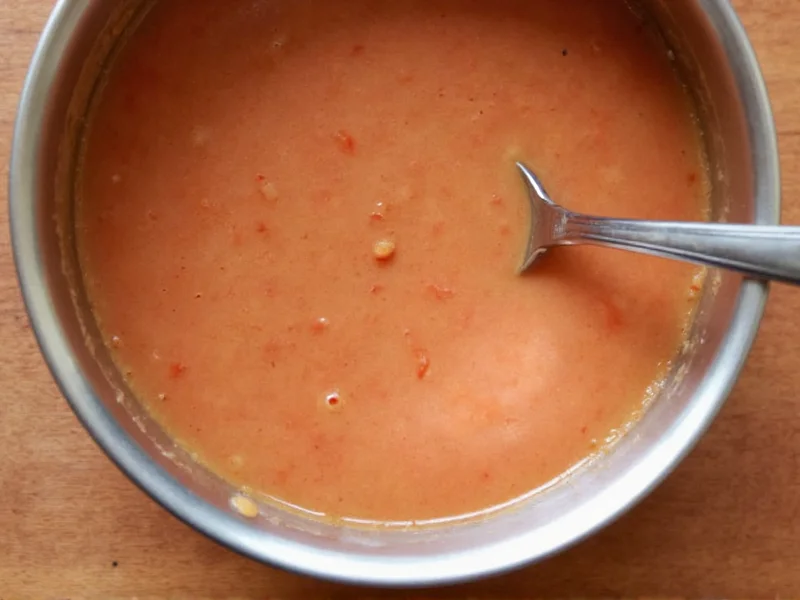
Understanding what human foods are safe for your canine companion is crucial for responsible pet ownership. When it comes to tomato soup specifically, the answer requires careful consideration of multiple ingredients and their effects on dogs.
Tomato Soup Ingredients and Their Effects on Dogs
While ripe red tomatoes are generally considered safe for dogs in small quantities, tomato soup presents multiple concerns due to its additional ingredients. Let's examine the common components:
| Ingredient | Safe for Dogs? | Potential Risks |
|---|---|---|
| Ripe tomatoes (in moderation) | Generally safe | Unripe tomatoes and plant parts contain tomatine which can cause gastrointestinal upset |
| Onions and garlic | Highly toxic | Damage red blood cells, leading to hemolytic anemia. As little as 15g per kg of body weight can cause toxicity (Merck Veterinary Manual, 2023). |
| Excessive salt | Unsafe | Dehydration, sodium ion poisoning, kidney damage. Concentrations above 1.5% in diet can be toxic (FDA CVM, 2022). |
| Cream/dairy | Often problematic | Digestive upset in lactose-intolerant dogs |
| Spices (especially garlic powder) | Generally unsafe | Can cause stomach irritation and more serious issues |
Source: Merck Veterinary Manual on Allium Toxicity, FDA Center for Veterinary Medicine Guidelines
Context Boundaries: When Tomatoes Become Risky
Safety depends on specific contextual factors that many owners overlook:
- Quantity thresholds: Even safe ripe tomatoes become problematic beyond 1-2 small cherry tomatoes for medium dogs (per ASPCA's treat guideline framework)
- Ripeness requirement: Only fully red, vine-ripened tomatoes are safe; any green coloration indicates tomatine presence
- Health condition limitations: Dogs with kidney disease should avoid tomatoes entirely due to oxalate content (per AKC Canine Health Foundation)
- Frequency constraint: Safe as an occasional treat (≤1x/week), not a dietary staple
These boundaries are clinically validated by veterinary nutrition specialists at institutions like the AKC Canine Health Foundation.
Why Tomato Soup Poses Significant Risks to Dogs
Most store-bought and restaurant tomato soups contain onions and garlic, which are extremely dangerous for dogs. These ingredients belong to the Allium family and can cause hemolytic anemia by damaging red blood cells. Even small amounts can be problematic, especially for smaller dog breeds.
Additionally, commercial tomato soups often contain:
- High sodium levels that can lead to dehydration and sodium ion poisoning
- Cream or dairy products that many dogs cannot properly digest
- Various spices and seasonings that may irritate a dog's digestive system
- Artificial flavors and preservatives with unknown effects on canine health
Symptoms of Tomato Soup-Related Toxicity in Dogs
If your dog has consumed tomato soup containing harmful ingredients, watch for these symptoms:
- Vomiting and diarrhea (often the first signs)
- Lethargy and weakness
- Loss of appetite
- Pale gums (indicating anemia)
- Increased heart rate and breathing difficulties
- Red or brown urine (a serious sign of hemolysis)
- Abdominal pain
Symptoms may appear within a few hours or be delayed for several days, particularly with Allium toxicity. If you notice any of these signs after your dog has eaten tomato soup, contact your veterinarian immediately.
Timeline of Symptoms After Ingestion
Clinical progression follows predictable patterns based on toxin type:
| Toxin Type | Initial Symptoms (Onset) | Critical Progression | Recovery Window |
|---|---|---|---|
| Allium (onion/garlic) | Vomiting/diarrhea (within 24h) | Hemolytic anemia peaks at 3-5 days | 2-3 weeks with treatment |
| Excessive sodium | Excessive thirst (1-4 hours) | Neurological symptoms at 24-48h | 48-72 hours with IV treatment |
Source: Merck Veterinary Manual Clinical Timelines, Sodium Toxicity Progression Data
What to Do If Your Dog Ate Tomato Soup
If your dog has consumed tomato soup, follow these steps:
- Assess what was consumed: Note the type of soup, estimated amount, and time of ingestion
- Check the ingredients: If possible, look at the label or recipe to identify potentially harmful components
- Contact your veterinarian: Provide details about what your dog ate and any symptoms observed
- Do not induce vomiting unless specifically instructed by a veterinary professional
- Monitor closely: Watch for any developing symptoms and report them to your vet
For small amounts of plain tomato without harmful additives, your dog will likely be fine with monitoring. However, if the soup contained onions, garlic, or excessive salt, professional veterinary care may be necessary.
Safe Tomato Treats for Dogs
If you want to share tomato-related treats with your dog, consider these safer options:
- Fresh, ripe tomato pieces: Small amounts of the red fruit only (no stems or leaves)
- Plain tomato paste: In very small quantities without added seasonings
- Homemade dog treats: Using dog-safe recipes that incorporate minimal tomato
Always introduce new foods gradually and in moderation. Remember that treats should comprise no more than 10% of your dog's daily caloric intake.
Healthier Vegetable Alternatives for Dogs
Instead of tomato soup, consider these dog-friendly vegetable options:
- Cooked carrots (excellent for dental health)
- Green beans (low calorie, high fiber)
- Cucumber slices (hydrating and refreshing)
- Plain cooked pumpkin (great for digestion)
- Steamed broccoli florets (in small amounts)
When preparing any human food for your dog, avoid adding salt, butter, oils, or seasonings. Serve vegetables plain and in appropriate portion sizes for your dog's breed and size.
Preventing Accidental Ingestion of Harmful Foods
To keep your dog safe from potentially dangerous human foods:
- Establish clear household rules about not feeding pets from the table
- Use baby gates to restrict access to kitchen areas during meal preparation
- Store food securely in cabinets or refrigerators
- Train your dog with the "leave it" command for food safety
- Be especially vigilant during holidays when餐桌 foods may contain multiple harmful ingredients




 浙公网安备
33010002000092号
浙公网安备
33010002000092号 浙B2-20120091-4