
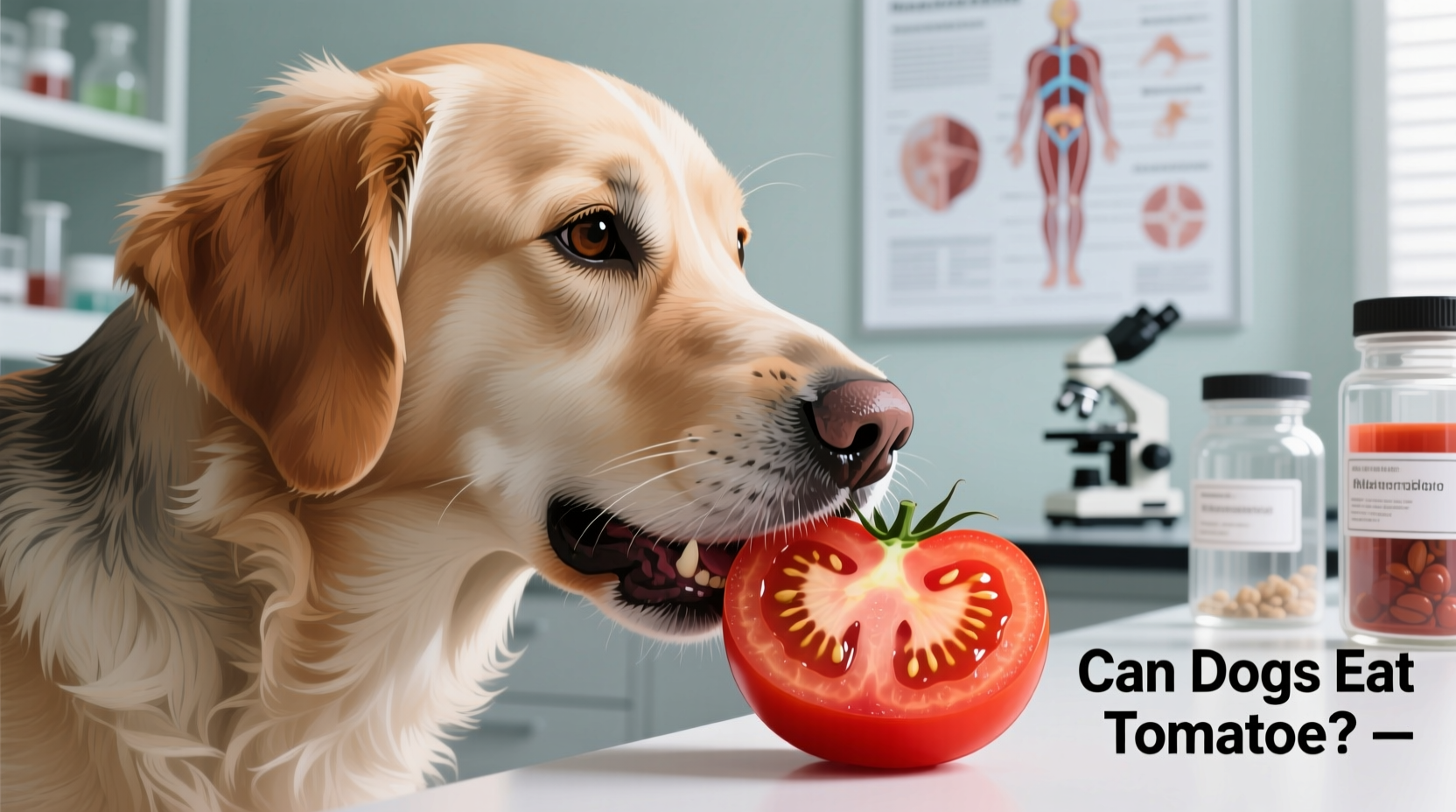
Yes, dogs can safely eat ripe red tomatoes in small amounts, but the green parts (stems, leaves, and unripe fruit) contain toxic compounds that can cause serious health issues. The ripe fruit itself offers some nutritional benefits when served in moderation as an occasional treat.
Understanding Tomato Safety for Your Canine Companion
As a dog owner, you've probably wondered whether those juicy red tomatoes in your garden or on your plate are safe for your furry friend. The answer isn't as simple as yes or no—it depends on which part of the tomato plant and how much your dog consumes. Let's break down the facts so you can make informed decisions about sharing tomatoes with your pup.
Tomato Components: What's Safe and What's Not
Not all parts of the tomato plant are created equal when it comes to canine safety. Understanding these differences is crucial for keeping your dog healthy.
| Tomato Component | Safe for Dogs? | Key Considerations |
|---|---|---|
| Ripe red tomatoes (flesh only) | Yes (in moderation) | Remove skin and seeds; limit to 1-2 small pieces for small dogs, 3-4 for larger breeds |
| Green tomatoes (unripe) | No | Contains higher levels of tomatine, which can cause gastrointestinal and neurological issues |
| Tomato stems and leaves | No | Highest concentration of toxic compounds; never feed to dogs |
| Cooked tomato products (sauce, paste) | Generally no | Often contain garlic, onions, or spices that are toxic to dogs |
The Science Behind Tomato Toxicity in Dogs
The nightshade family (Solanaceae), which includes tomatoes, contains naturally occurring compounds called glycoalkaloids. The primary concern for dogs is tomatine, which is most concentrated in the green parts of the plant.
According to research published in the Journal of Veterinary Pharmacology and Therapeutics, tomatine levels decrease significantly as tomatoes ripen. Ripe red tomatoes contain only trace amounts (approximately 5mg per 100g), while green tomatoes can contain up to 50mg per 100g—the threshold where toxicity becomes a concern for dogs.
The American Society for the Prevention of Cruelty to Animals (ASPCA) confirms that while ripe tomato flesh poses minimal risk, the green portions of the plant contain sufficient tomatine to cause:
- Gastrointestinal upset (vomiting, diarrhea)
- Loss of coordination
- Muscle weakness
- Abnormal heart rhythms in severe cases
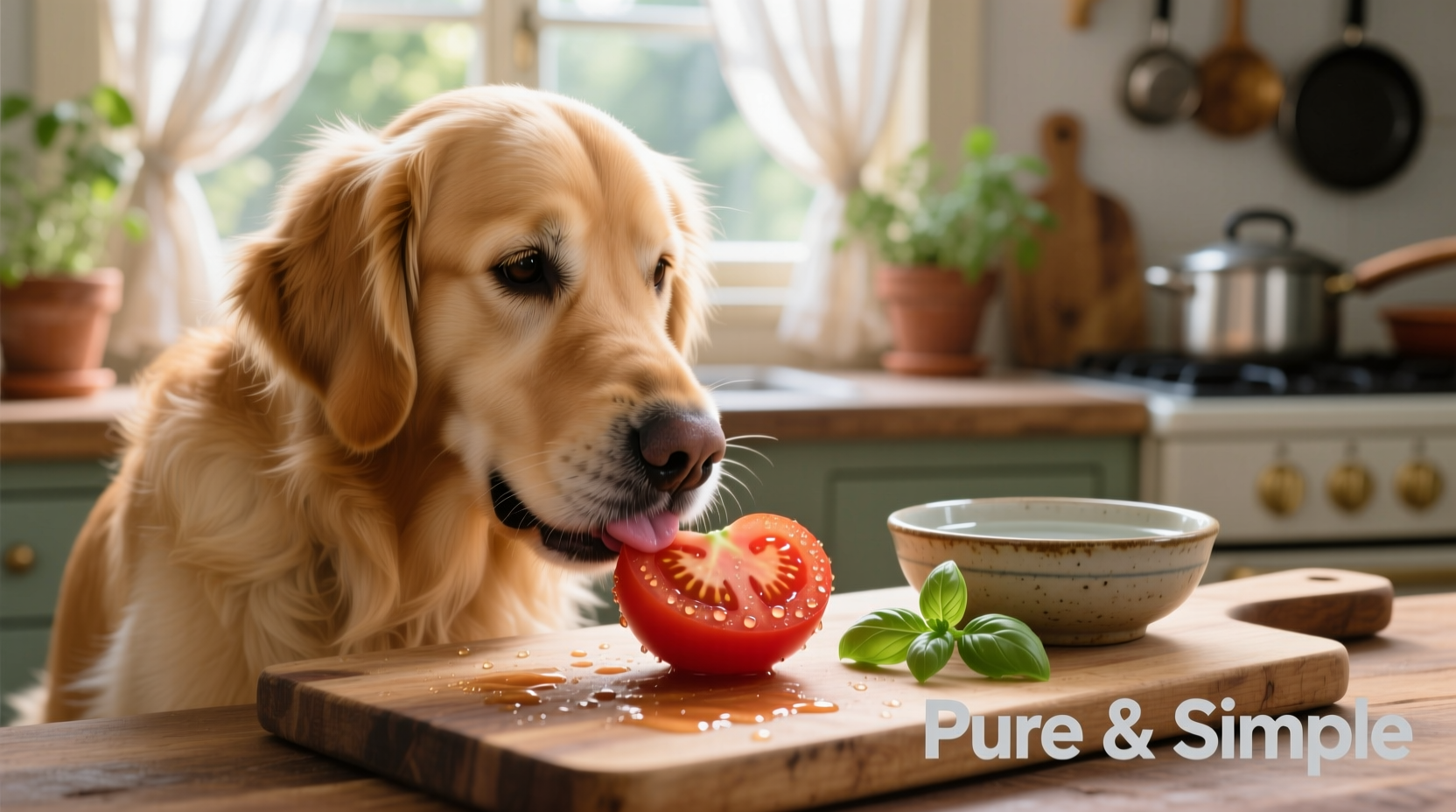
Recognizing Tomato Poisoning Symptoms
If your dog has consumed green tomato parts or an excessive amount of ripe tomatoes, watch for these symptoms:
- Mild exposure: Drooling, stomach upset, mild lethargy (typically resolves within 24 hours)
- Moderate exposure: Vomiting, diarrhea, loss of appetite, mild coordination issues
- Severe exposure: Muscle tremors, weakness, irregular heartbeat, dilated pupils, difficulty breathing
The Merck Veterinary Manual notes that serious symptoms typically only occur when dogs consume large quantities of green tomato plant material—equivalent to several stems and leaves for a medium-sized dog.
What to Do If Your Dog Eats Tomato Plants
Don't panic, but do act promptly:
- Assess what was consumed: Determine if it was ripe fruit or green plant parts
- Estimate quantity: How much did your dog eat relative to their size?
- Contact your veterinarian: Especially if green parts were consumed or symptoms appear
- Monitor closely: Watch for symptoms over the next 12-24 hours
Most cases of ripe tomato consumption don't require veterinary intervention, but green plant material ingestion should always be evaluated by a professional. The Pet Poison Helpline (800-213-6680) is available 24/7 for urgent consultations.
Serving Tomatoes Safely as Occasional Treats
If you want to share the nutritional benefits of tomatoes with your dog:
- Choose fully ripe, red tomatoes only
- Remove skin and seeds (which can be harder to digest)
- Start with small amounts (1-2 teaspoon-sized pieces)
- Wash thoroughly to remove pesticides
- Never exceed 1-3% of your dog's daily calorie intake
Ripe tomatoes offer some nutritional benefits including vitamin C, potassium, and lycopene (an antioxidant), but they should never replace balanced dog food. Remember that dogs are primarily carnivores with different nutritional needs than humans.
Special Considerations for Different Dog Types
Not all dogs process tomatoes the same way:
- Puppies: More sensitive to tomatine; avoid tomatoes entirely
- Senior dogs: May have digestive sensitivities; introduce very slowly
- Dogs with kidney issues: Higher potassium content may be problematic
- Brachycephalic breeds: Smaller portions needed due to size
Always consult your veterinarian before introducing new foods to dogs with pre-existing health conditions.
Tomato Alternatives for Dog Treats
If you're looking for safer fruit options for your dog, consider these alternatives:
- Blueberries (rich in antioxidants)
- Watermelon (seedless, in moderation)
- Apples (without seeds or core)
- Cucumbers (low calorie, hydrating)
These provide similar nutritional benefits without the potential risks associated with nightshade plants.




 浙公网安备
33010002000092号
浙公网安备
33010002000092号 浙B2-20120091-4