
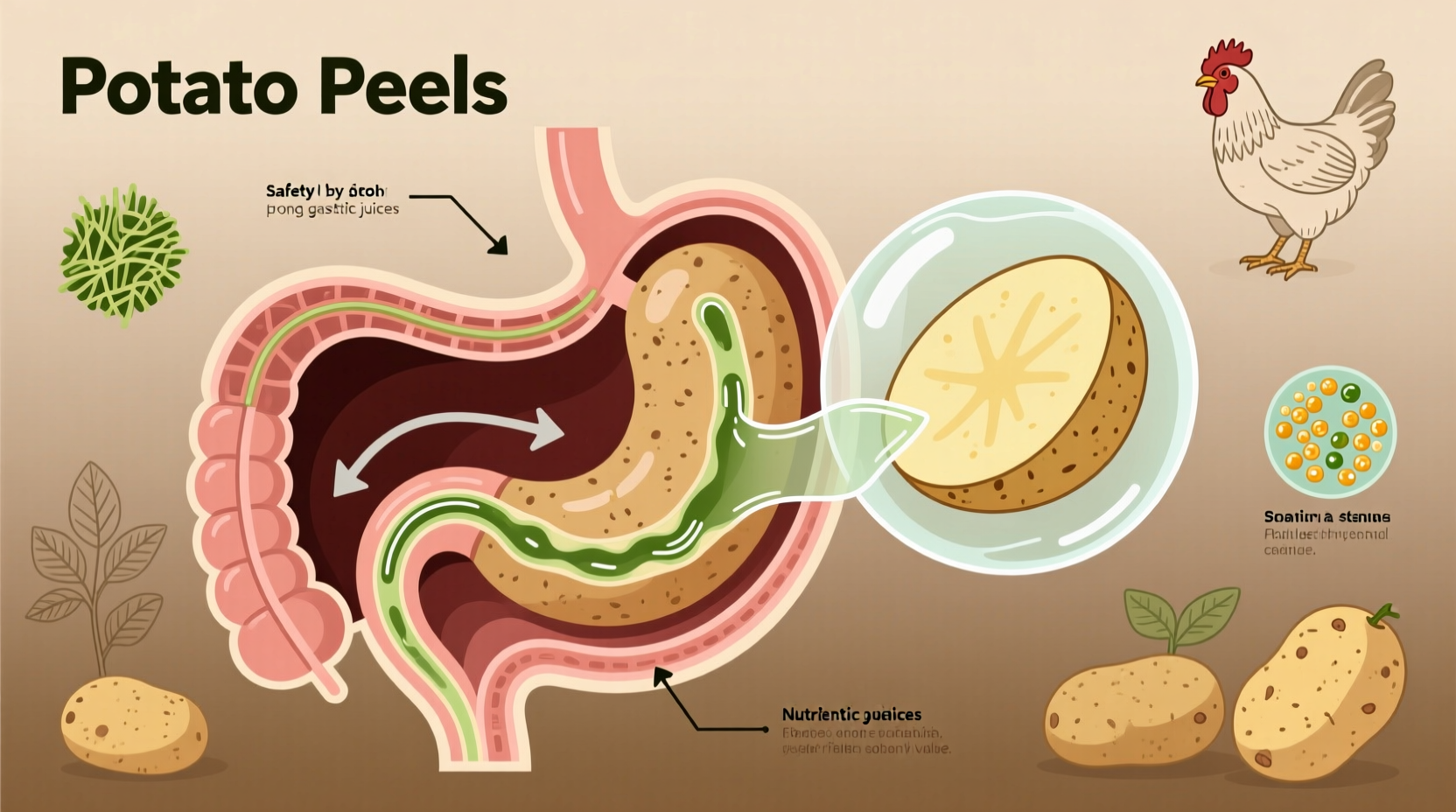
Many backyard chicken keepers wonder if they can feed potato peelings to their flock as a way to reduce kitchen waste. While potatoes themselves can be part of a balanced chicken diet when prepared correctly, the peelings present specific risks that require careful consideration. Understanding these risks is essential for maintaining your flock's health and preventing potentially fatal solanine poisoning.
Why Potato Peelings Pose a Risk to Chickens
Potato peelings contain solanine, a naturally occurring glycoalkaloid that acts as the plant's defense mechanism against pests and diseases. This compound is particularly concentrated in:
- Green-tinged areas of potato skins
- Sprouts and eyes of potatoes
- Peelings from potatoes exposed to light
Solanine remains stable even when cooked, meaning boiling or baking doesn't eliminate this toxin. According to research from the USDA Agricultural Research Service, solanine levels in green potato peelings can reach 1,000-2,000 mg/kg, well above the 200 mg/kg threshold considered potentially toxic to poultry.
| Potato Component | Solanine Concentration (mg/kg) | Safe for Chickens? |
|---|---|---|
| Green peelings | 1,000-2,000 | No - highly toxic |
| Normal peelings | 200-500 | No - potentially harmful |
| Cooked white potato flesh | 20-50 | Yes - in moderation |
| Raw potato flesh | 50-100 | No - not recommended |
Symptoms of Solanine Poisoning in Chickens
If your chickens accidentally consume potato peelings containing high solanine levels, watch for these symptoms which typically appear within 6-12 hours:
- Reduced appetite and decreased water consumption
- Lethargy and weakness
- Diarrhea, sometimes bloody
- Difficulty breathing
- Paralysis of legs and wings
- In severe cases, sudden death
The American Veterinary Medical Association notes that solanine affects the nervous system and gastrointestinal tract of birds, with chickens being particularly vulnerable due to their small size and high metabolism. Unlike mammals, birds cannot efficiently process and eliminate these toxins.
When Potato Peelings Might Be Safe (With Extreme Caution)
While generally not recommended, there are extremely limited circumstances where potato peelings might be safe for chickens:
- Fully cooked white potato peelings only - Boiling significantly reduces but doesn't eliminate solanine
- Minimal quantity - No more than 1-2 small peelings per dozen chickens, once weekly at most
- Never green or sprouted - Only use peelings from firm, white potatoes with no green discoloration
- Always mixed with other foods - Never offered as a primary food source
Even under these conditions, many poultry experts recommend avoiding potato peelings entirely. The Cooperative Extension System at Penn State University states that 'the potential risks of solanine toxicity outweigh any nutritional benefits potato peelings might provide to backyard poultry.'
Better Vegetable Alternatives for Your Flock
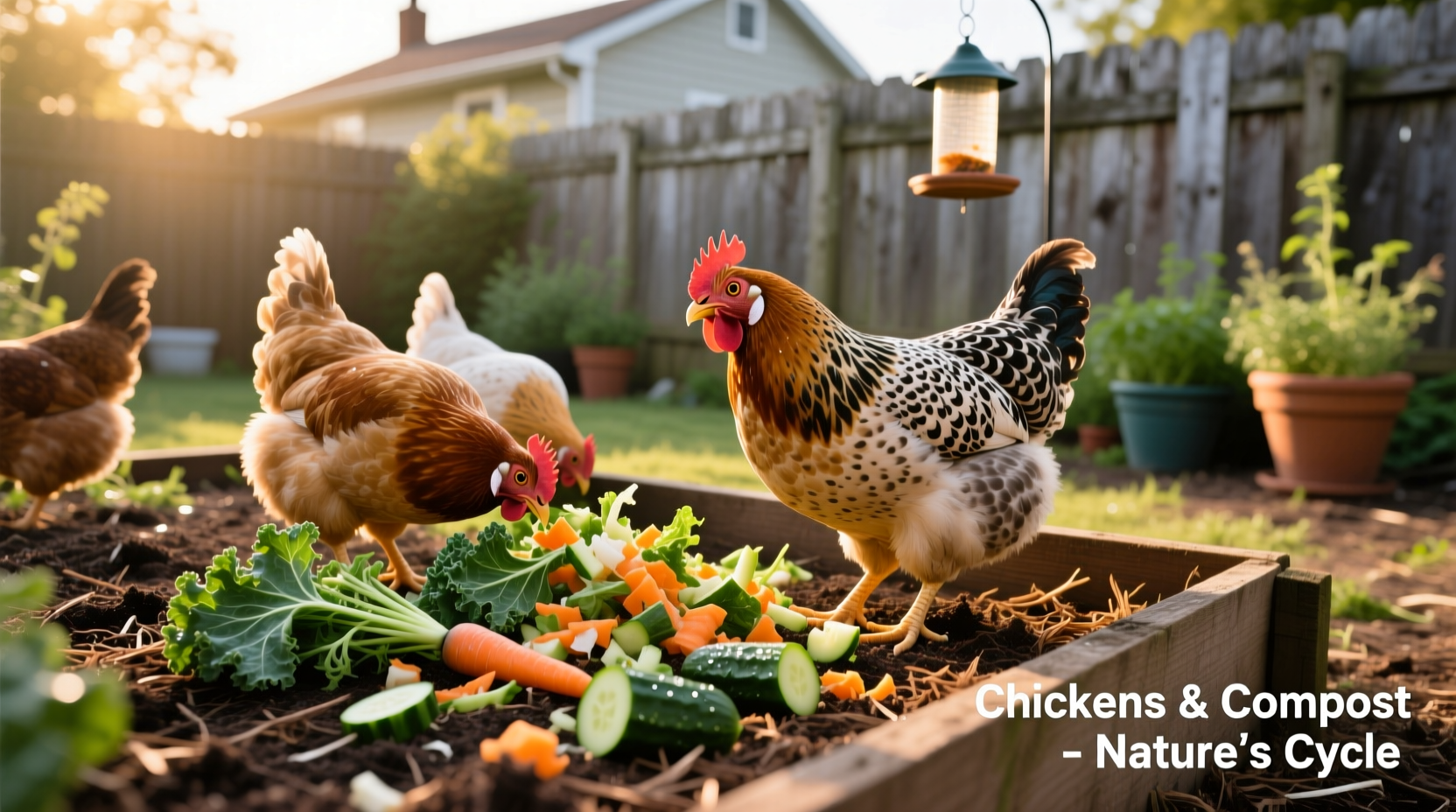
Instead of risking your chickens' health with potato peelings, consider these safer kitchen scraps that provide excellent nutrition:
- Cucumber slices - High water content, refreshing in summer
- Carrot tops and peels - Rich in vitamins A and K
- Zucchini and squash - Soft and easily digestible
- Leafy greens - Spinach, kale, and lettuce (in moderation)
- Pea pods - Chickens love pecking at these
Remember that treats should never exceed 10% of your chickens' total diet. The Merck Veterinary Manual emphasizes that a balanced commercial layer feed should constitute at least 90% of adult chickens' diet to ensure proper nutrition for egg production and overall health.
Practical Feeding Guidelines for Backyard Chicken Owners
Follow these evidence-based practices to keep your flock healthy while minimizing kitchen waste:
- Never feed green or sprouted potatoes - These contain dangerously high solanine levels
- Cook thoroughly if offering any potato - Boiling reduces but doesn't eliminate toxins
- Limit potato to rare treats - Maximum 1-2 tablespoons per chicken, once weekly
- Always provide grit - Essential for proper digestion of any vegetable matter
- Monitor for adverse reactions - Watch for 24 hours after introducing new foods
- Remove uneaten scraps - Prevents spoilage and pest attraction
When in doubt about any food item, the safest approach is to consult with an avian veterinarian or your local agricultural extension office. Remember that chickens have different nutritional needs and sensitivities than humans, so foods safe for us aren't necessarily safe for them.
Conclusion: Prioritizing Your Flock's Safety
While the question "can chickens eat potato peelings" has a technically nuanced answer, the practical recommendation is clear: avoid feeding potato peelings to chickens. The risks of solanine poisoning far outweigh any potential nutritional benefits. Instead, focus on providing a balanced commercial feed supplemented with safer vegetable alternatives that offer genuine nutritional value without the associated risks.
By understanding the specific dietary needs and limitations of your backyard flock, you can make informed decisions that promote their health, longevity, and productivity. When it comes to chicken nutrition, erring on the side of caution with potentially toxic foods like potato peelings is always the wisest approach.




 浙公网安备
33010002000092号
浙公网安备
33010002000092号 浙B2-20120091-4