
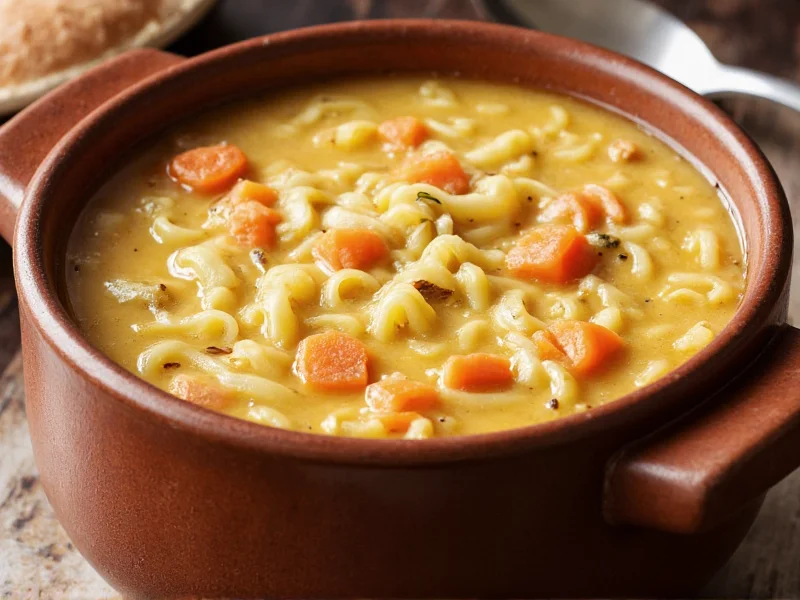
Campbell's Chicken Noodle Soup represents one of America's most recognizable comfort foods, with a legacy spanning nearly nine decades. Created during the Great Depression when affordable, shelf-stable meal options were essential, this condensed soup quickly became a household staple for its convenience, long shelf life, and comforting qualities. The product's enduring popularity stems from its simple preparation method—just add water to the condensed formula—and its association with care during illness, making it a cultural touchstone beyond mere sustenance.
Historical Development and Cultural Significance
Introduced in 1934, Campbell's Chicken Noodle Soup emerged during a period when canned foods were revolutionizing American home cooking. The condensed format, pioneered by Campbell's in 1909 with tomato soup, allowed for more product to be shipped in less space while reducing costs for consumers. During World War II, the soup gained additional prominence as chicken became scarce, and Campbell's provided a reliable source of protein. By the 1950s, it had cemented its place in American culture as the go-to remedy for colds and flu, a perception reinforced by widespread advertising campaigns.
The product's cultural impact extends beyond nutrition—it appears in literature, film, and television as a symbol of comfort and home care. During the 1960s and 1970s, Campbell's soup cans became iconic in pop art, most notably in Andy Warhol's famous silkscreen paintings, further embedding the brand in American consciousness.
Varieties and Product Evolution
While the original condensed formula remains available, Campbell's has expanded its Chicken Noodle Soup line to address evolving consumer preferences:
| Variety | Key Features | Introduction Year |
|---|---|---|
| Original Condensed | Classic recipe, requires water dilution | 1934 |
| Homestyle | Thicker broth, larger noodle pieces, no dilution needed | 1980s |
| Healthy Request | Lower sodium, reduced fat | 2006 |
| Organic | Certified organic ingredients | 2010s |
| Wellness | Additional vegetables, boosted protein | 2018 |
These variations demonstrate Campbell's response to health trends while maintaining the core product identity. The company has gradually reduced sodium content across formulations in response to public health recommendations, though the original version still contains significant sodium levels compared to homemade alternatives.
Nutritional Profile Analysis
Understanding campbell's condensed chicken noodle soup nutrition facts is essential for health-conscious consumers. A standard half-can serving (105g) of the original condensed version typically contains:
- Approximately 60-70 calories
- 3-4 grams of protein
- 10-12 grams of carbohydrates
- 1-2 grams of fat
- 400-480 milligrams of sodium (nearly 20% of daily recommended intake)
- Trace amounts of vitamins and minerals from vegetables
While convenient, campbell's chicken noodle soup vs homemade versions reveals significant nutritional differences. Homemade soup typically contains more actual chicken, fewer preservatives, and substantially less sodium. However, the canned version provides consistent texture and flavor with minimal preparation time—a trade-off many consumers accept for convenience.
Culinary Applications Beyond the Bowl
One of the most valuable aspects of understanding how to use campbell's chicken noodle soup in recipes is recognizing its versatility as an ingredient rather than just a standalone meal. Culinary professionals and home cooks have long utilized this pantry staple in creative ways:
- Sauce base: Thinned with additional broth or wine for casseroles and pot pies
- Gravy enhancer: Adds depth to pan sauces and gravies
- Marinade component: The broth and seasonings tenderize meats
- Grain cooker: Substitute for water when preparing rice, quinoa, or couscous
- Quick soup upgrades: Enhanced with fresh herbs, additional vegetables, or shredded chicken
These applications demonstrate why campbell's chicken noodle soup remains relevant in modern kitchens despite the rise of artisanal and homemade alternatives. The product's consistent flavor profile provides reliability in recipes where variable homemade broths might alter results.
Storage Guidelines and Shelf Life
Proper storage significantly impacts the quality and safety of campbell's chicken noodle soup. Unopened cans maintain best quality for 18-24 months when stored in a cool, dry place away from direct sunlight. Once opened, transfer unused portions to airtight containers and refrigerate, consuming within 3-4 days. Freezing is possible but may alter the noodle texture upon thawing.
Consumers should discard any cans showing signs of damage including bulging, severe dents (particularly on seams), or leakage. While canned goods rarely cause foodborne illness when properly stored, these physical indicators suggest potential compromise of the can's integrity.
Addressing Common Questions About Campbell's Chicken Noodle Soup
Many consumers wonder about campbell's low sodium chicken noodle soup benefits compared to the regular version. The reduced-sodium varieties typically contain 30-50% less sodium while maintaining similar flavor profiles through alternative seasoning blends. For those monitoring sodium intake for health reasons, these versions offer a more suitable option while preserving the familiar taste and convenience.
Another frequent consideration is whether campbell's chicken noodle soup is healthy enough to serve as a regular meal component. While convenient, it shouldn't replace balanced meals regularly due to its relatively low protein content and high sodium levels. However, when supplemented with additional vegetables, lean protein, and whole grains, it can function as a reasonable base for quick, nourishing meals.
Conclusion
Campbell's Chicken Noodle Soup remains a significant part of American food culture nearly ninety years after its introduction. While modern consumers increasingly seek homemade and artisanal alternatives, the product's convenience, consistent quality, and nostalgic appeal ensure its continued presence in pantries nationwide. Understanding both the limitations and creative applications of this iconic soup allows consumers to make informed choices about incorporating it into their diets—whether as a quick meal during illness, a base for more elaborate dishes, or simply a comforting taste of tradition. As dietary preferences evolve, Campbell's ongoing product innovations demonstrate the brand's ability to adapt while maintaining the essential qualities that made the original recipe a classic.




 浙公网安备
33010002000092号
浙公网安备
33010002000092号 浙B2-20120091-4