
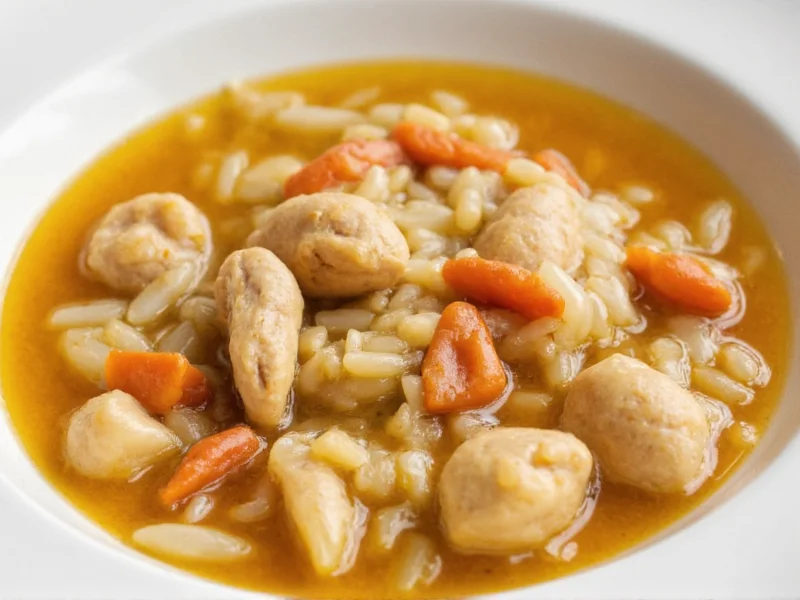
For home cooks seeking reliable weeknight dinner solutions, Campbell soup chicken rice recipes offer a practical approach to creating satisfying meals. These dishes leverage the consistent flavor profile of Campbell's condensed soups while allowing customization through additional ingredients and seasonings. Understanding how to properly incorporate the soup into your cooking process ensures optimal texture and flavor balance in your final dish.
The Science Behind Soup-Based Chicken and Rice Dishes
When using Campbell's condensed soups in chicken and rice recipes, the soup functions as both flavor enhancer and sauce base. The concentrated ingredients in condensed soups require proper dilution—typically with milk, broth, or water—to achieve the ideal consistency. For chicken and rice preparations, the standard ratio is one can of condensed soup (10.5 ounces) combined with one cup of liquid.
The starch in rice absorbs liquid during cooking, which is why many Campbell soup chicken rice recipes call for slightly more liquid than standard soup preparation. This prevents the final dish from becoming too dry while allowing the rice to fully cook and absorb flavors. The proteins in the soup help create a velvety texture that coats the chicken and rice evenly.
Three Proven Campbell Soup Chicken Rice Recipes
| Recipe Name | Prep Time | Cook Time | Key Campbell's Product |
|---|---|---|---|
| Classic Chicken Rice Casserole | 15 minutes | 45 minutes | Cream of Chicken |
| Creamy Skillet Chicken and Rice | 10 minutes | 25 minutes | Cream of Mushroom |
| Slow Cooker Chicken Rice Soup | 15 minutes | 4 hours | Chicken Noodle Soup |
1. Classic Chicken Rice Casserole
This timeless Campbell soup chicken rice casserole combines tender chicken, fluffy rice, and garden vegetables in a creamy sauce. Preheat your oven to 350°F and prepare a 9x13-inch baking dish with non-stick spray.
Ingredients:
- 2 cups cooked chicken, diced
- 2 cups cooked long-grain rice
- 1 can (10.5 oz) Campbell's Cream of Chicken soup
- 1 cup milk
- 1 cup frozen peas and carrots
- 1/2 cup French fried onions
- 1/4 teaspoon black pepper
Instructions:
- Mix soup, milk, pepper, and 1/3 of the French fried onions in large bowl
- Fold in chicken, rice, and vegetables until well combined
- Pour into prepared baking dish and top with remaining onions
- Cover and bake for 35 minutes, then uncover and bake 10 minutes more until golden
2. Creamy Skillet Chicken and Rice
This stovetop version delivers restaurant-quality results with pantry staples. The key to perfect texture is properly searing the chicken before adding the rice mixture.
Method: Season 1.5 pounds boneless chicken thighs with salt and pepper. Brown in olive oil over medium-high heat for 5-6 minutes per side. Remove chicken and set aside. In the same skillet, combine 1 cup uncooked long-grain rice, 1 can Campbell's Cream of Mushroom soup, 1 cup chicken broth, and 1/2 cup diced mushrooms. Return chicken to skillet, cover, and simmer for 20 minutes until rice is tender and liquid absorbed.
3. Slow Cooker Chicken Rice Soup
Transform Campbell's Chicken Noodle Soup into a heartier meal by adding extra chicken and rice. This slow cooker adaptation maintains the comforting essence while enhancing nutritional value.
Add 2 cups shredded cooked chicken, 1/2 cup uncooked white rice, 1 diced carrot, and 1 diced celery stalk to one can of Campbell's Chicken Noodle Soup in your slow cooker. Cook on low for 4 hours. The extended cooking time allows flavors to meld while the rice absorbs excess liquid, creating a thicker, more substantial soup.
Ingredient Substitutions for Dietary Needs
Many home cooks require adaptations for Campbell soup chicken rice recipes. For gluten-free versions, use Campbell's Gluten Free Cream of Chicken soup or create your own substitute using cornstarch-based sauce. Dairy-free alternatives work well by replacing milk with unsweetened almond or oat milk.
When modifying Campbell soup chicken and rice casserole for lower sodium content, choose Campbell's Low Sodium varieties and enhance flavor with fresh herbs like thyme and rosemary rather than additional salt. For higher protein content, increase the chicken ratio by 50% while maintaining the soup-to-liquid proportion.
Professional Cooking Tips for Perfect Results
Avoid common mistakes in Campbell soup chicken rice dishes by following these expert recommendations:
- Don't skip the liquid addition: Condensed soups require proper dilution—using them undiluted creates an overly thick, starchy texture
- Cook rice separately for casseroles: Pre-cooked rice prevents uneven texture in baked dishes
- Add vegetables strategically: Frozen vegetables should go in during the last 15 minutes of cooking to maintain texture
- Balance acidity: A splash of lemon juice or vinegar at the end brightens rich soup-based dishes
The ideal consistency for Campbell soup chicken rice recipes should be moist but not soupy. If your dish appears too wet after cooking, leave it uncovered for 5-10 minutes to allow excess moisture to evaporate. For drier results, add 2-3 tablespoons of broth or milk before serving.
Serving Suggestions and Meal Pairings
Complete your Campbell soup chicken rice meal with complementary sides that balance textures and flavors. A crisp green salad with vinaigrette cuts through the richness of creamy dishes, while roasted vegetables add depth and color to the plate.
For beverage pairings, consider light-bodied white wines like Pinot Grigio or non-alcoholic options such as sparkling water with lemon. When serving Campbell soup chicken rice casserole to guests, garnish with fresh parsley and offer crusty bread for dipping into any remaining sauce.
Troubleshooting Common Issues
Encountering problems with your Campbell soup chicken rice recipes? Address these frequent challenges:
- Grainy texture: Caused by overheating the soup mixture—always combine condensed soup with cold liquid before heating
- Bland flavor: Boost with aromatic vegetables (onion, garlic) sautéed before adding other ingredients
- Dry consistency: Add 1/4 cup additional liquid and let stand covered for 5 minutes to rehydrate
- Soggy topping: Add crunchy elements like fried onions or breadcrumbs during the last 5 minutes of baking




 浙公网安备
33010002000092号
浙公网安备
33010002000092号 浙B2-20120091-4