
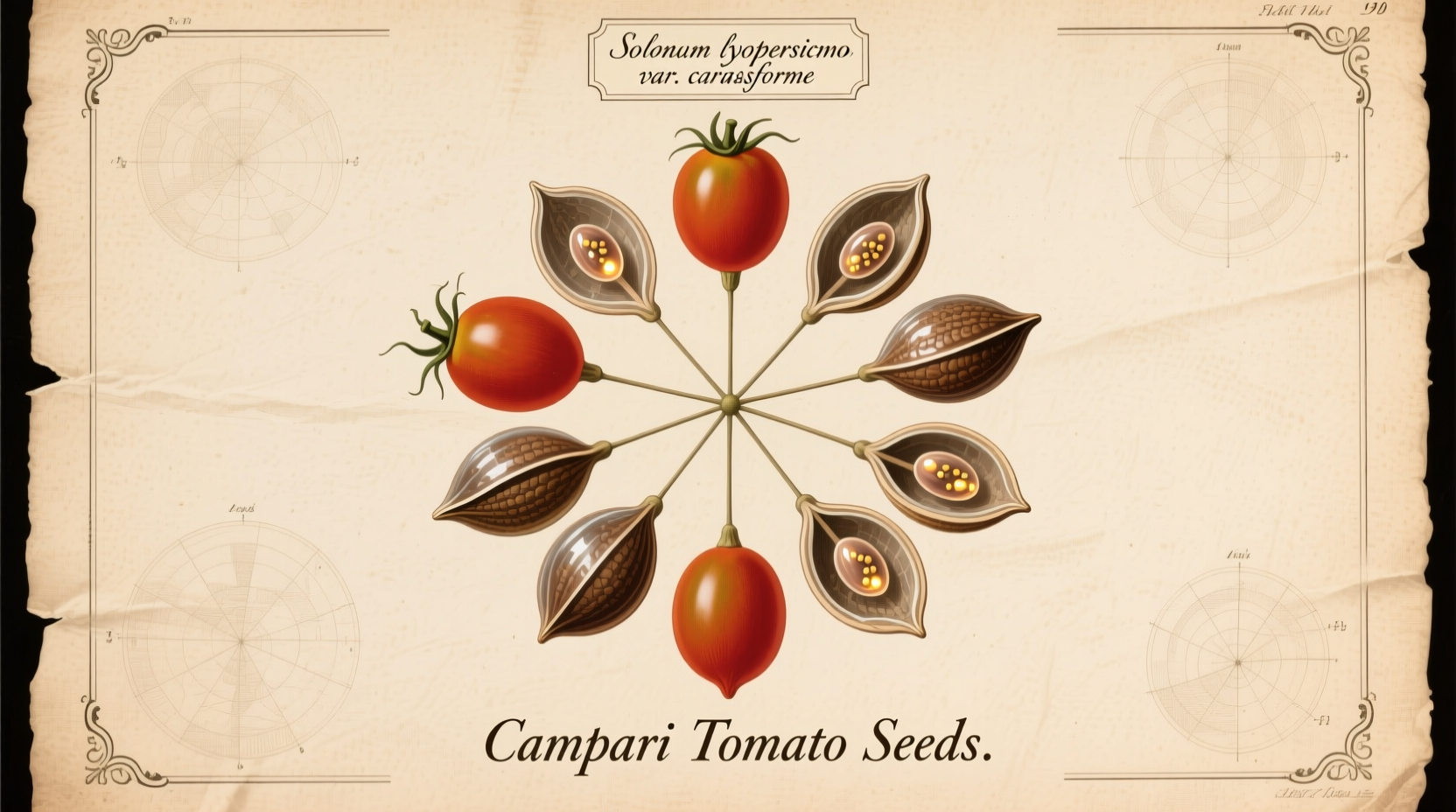
Discover why home gardeners and commercial growers consistently choose Campari tomato seeds for reliable, flavorful harvests. This comprehensive guide delivers actionable growing strategies backed by agricultural research to help you maximize your tomato yield while avoiding common pitfalls.
What Makes Campari Tomatoes Stand Out
Campari tomatoes represent a breakthrough in hybrid development, combining commercial durability with gourmet flavor. Unlike standard grocery store varieties, Campari tomatoes maintain vine-ripened sweetness even when shipped, making them equally valuable for backyard gardeners and market producers. Developed by Dutch agricultural company Enza Zaden, this variety emerged from selective breeding programs focused on improving taste while maintaining shipping durability.
| Variety | Sweetness (Brix) | Disease Resistance | Days to Harvest |
|---|---|---|---|
| Campari | 5.5-6.2 | Fusarium wilt, Verticillium | 70-75 |
| Beefsteak | 4.0-4.8 | Limited | 75-85 |
| Cherry | 7.0-8.5 | Moderate | 60-70 |
This comparison shows Campari's strategic advantage: higher sweetness than standard slicing tomatoes with better disease resistance than many heirlooms, though slightly less sweet than cherry varieties. The USDA Agricultural Research Service confirms that Brix levels above 5.0 create the ideal balance of sugar and acidity that consumers consistently rate as "exceptionally flavorful" in sensory evaluations.
Optimal Growing Conditions for Campari Tomato Seeds
Campari tomatoes thrive in full sun with at least 6-8 hours of direct sunlight daily. Unlike many tomato varieties that struggle in container environments, Campari's compact determinate growth habit makes it particularly suitable for patio gardening. The University of California Cooperative Extension recommends planting Campari seeds indoors 6-8 weeks before your last expected frost date, using soil temperature of at least 70°F (21°C) for optimal germination.
When transplanting seedlings outdoors, maintain 24-36 inches between plants to ensure proper air circulation. Campari performs best in well-draining soil amended with compost, with consistent moisture levels to prevent blossom end rot. Unlike heirloom varieties that require meticulous care, Campari's hybrid vigor provides greater tolerance to minor watering inconsistencies.
Step-by-Step Planting Guide
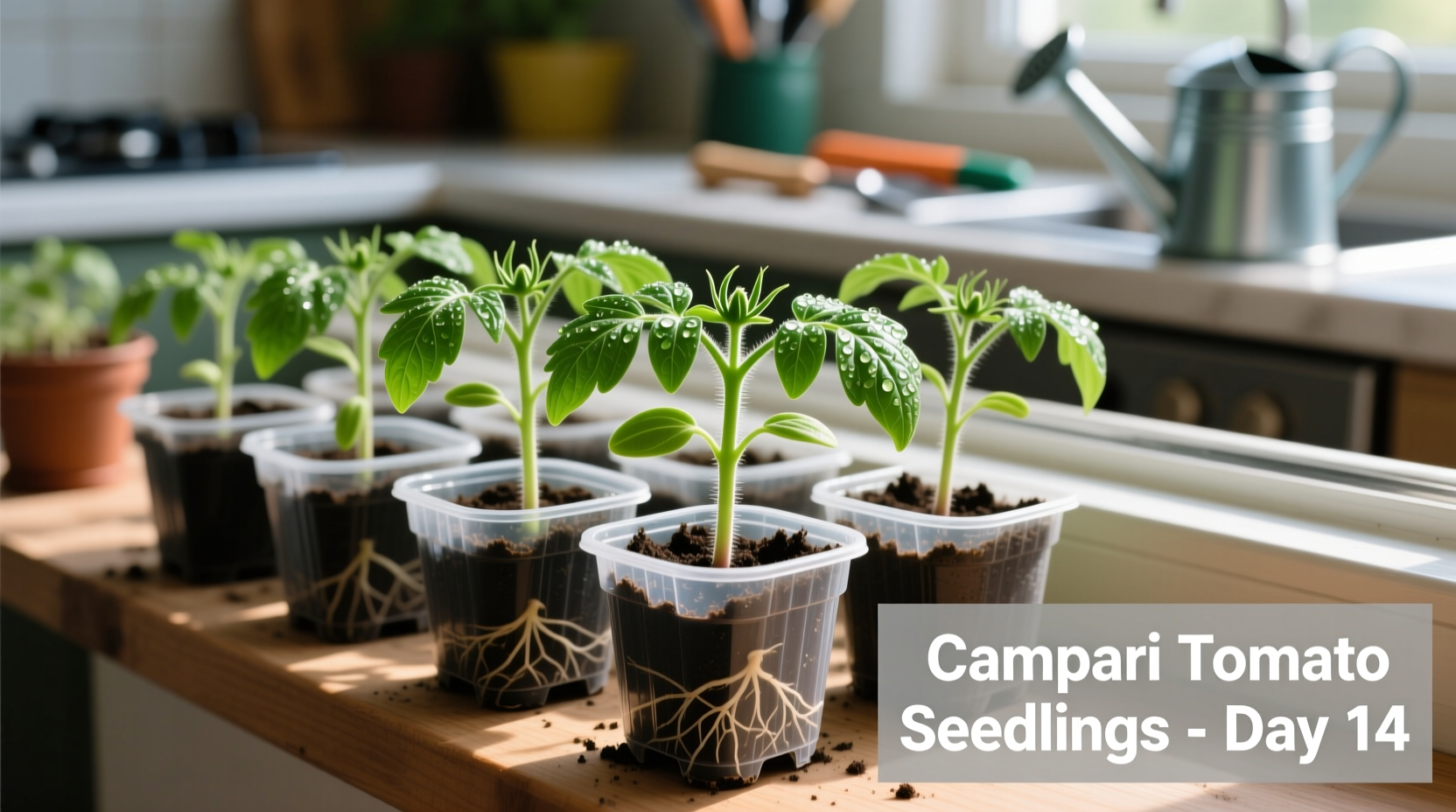
Starting seeds indoors: Plant Campari seeds ¼ inch deep in sterile seed starting mix. Maintain consistent moisture and temperatures between 70-80°F. Seeds typically germinate within 5-10 days. Once seedlings develop their second set of true leaves, begin a weekly feeding schedule with half-strength balanced fertilizer.
Hardening off: Gradually expose seedlings to outdoor conditions over 7-10 days before transplanting. Start with 2 hours of morning sun, increasing exposure daily while monitoring for wilting.
Transplanting: Set plants deep, burying the stem up to the first set of leaves to encourage additional root development. Apply 2-3 inches of organic mulch to maintain soil moisture and temperature.
Seasonal Care Requirements
Campari tomatoes require consistent care throughout the growing season. The Cornell University Gardeners' Resource emphasizes that regular, deep watering (1-2 inches per week) is more effective than frequent shallow watering. Water at the base of plants early in the morning to minimize disease risk.
Fertilize every 3-4 weeks with a balanced organic fertilizer or one formulated specifically for tomatoes. Avoid excessive nitrogen which promotes leafy growth at the expense of fruit production. Campari's natural disease resistance reduces but doesn't eliminate the need for preventative measures against common tomato ailments.
Unlike indeterminate varieties that require extensive pruning, Campari's determinate growth habit needs minimal pruning—simply remove any leaves touching the soil to prevent disease transmission. Install sturdy cages or stakes at planting time to support the heavy fruit loads these plants produce.
Harvesting and Storage Techniques
Campari tomatoes reach peak flavor when harvested at full color but still slightly firm. Unlike many commercial varieties picked green, Campari develops its characteristic sweetness when allowed to ripen on the vine. The optimal harvest window begins approximately 70-75 days after transplanting.
For best flavor retention, store harvested tomatoes at room temperature away from direct sunlight. Refrigeration diminishes flavor compounds and alters texture. If you experience an abundant harvest, consider preserving methods like quick-freezing whole tomatoes for sauces or making sun-dried tomatoes to capture Campari's exceptional flavor profile.
Troubleshooting Common Issues
Blossom end rot: This calcium deficiency appears as dark, sunken spots on the blossom end of fruit. Prevent by maintaining consistent soil moisture and applying calcium-rich amendments like crushed eggshells.
Cracking: Sudden rainfall after dry periods causes fruit splitting. Mulching helps maintain even soil moisture to prevent this issue.
Poor fruit set: High temperatures above 90°F can cause blossom drop. Provide afternoon shade during heat waves and ensure adequate pollination through gentle plant shaking or attracting pollinators.
According to agricultural data from the USDA's National Institute of Food and Agriculture, Campari demonstrates superior performance in USDA hardiness zones 5-10, with optimal production in regions with 120+ frost-free days. Gardeners in cooler climates achieve best results using black plastic mulch to warm soil and protect plants from early season temperature fluctuations.
Why Campari Outperforms Other Varieties
Campari's development timeline reveals why it has become a commercial and home gardening favorite. Introduced in the early 2000s, this variety addressed key limitations of previous commercial tomatoes:
- 2000-2003: Initial breeding focused on combining high brix levels with shipping durability
- 2004-2006: Field trials demonstrated superior disease resistance compared to standard varieties
- 2007: Commercial introduction to European markets
- 2010: US market availability expanded as consumer demand for better supermarket tomatoes grew
- Present: Campari represents the standard for premium grocery store tomatoes while remaining accessible to home gardeners
This evolutionary path explains Campari's unique position: it delivers the flavor consumers want with the practical growing characteristics gardeners need. Unlike heirloom varieties that often sacrifice disease resistance for taste, Campari achieves an exceptional balance that makes it particularly valuable for gardeners in regions with challenging growing conditions.
Frequently Asked Questions
How long do Campari tomato seeds take to germinate?
Campari tomato seeds typically germinate within 5-10 days when soil temperatures remain between 70-80°F (21-27°C). Maintain consistent moisture during this period for optimal results.
Are Campari tomatoes determinate or indeterminate?
Campari tomatoes are determinate (bush-type) varieties that grow to a specific height and produce most of their fruit within a concentrated period, making them ideal for container gardening and predictable harvests.
What's the best way to prevent diseases in Campari tomatoes?
Prevent diseases by watering at soil level early in the day, maintaining proper spacing for air circulation, rotating crops annually, and applying organic fungicides preventatively during humid periods. Campari's natural resistance to Fusarium wilt and Verticillium provides additional protection.
Can Campari tomatoes be grown in containers?
Yes, Campari tomatoes excel in containers due to their compact determinate growth habit. Use a 5-gallon container minimum with quality potting mix, and ensure consistent watering as container plants dry out faster than garden beds.
How many tomatoes does one Campari plant produce?
A healthy Campari tomato plant typically produces 15-25 fruits per season, with each fruit weighing approximately 3-4 ounces. Proper care including adequate sunlight, consistent watering, and appropriate fertilization maximizes yield potential.




 浙公网安备
33010002000092号
浙公网安备
33010002000092号 浙B2-20120091-4