
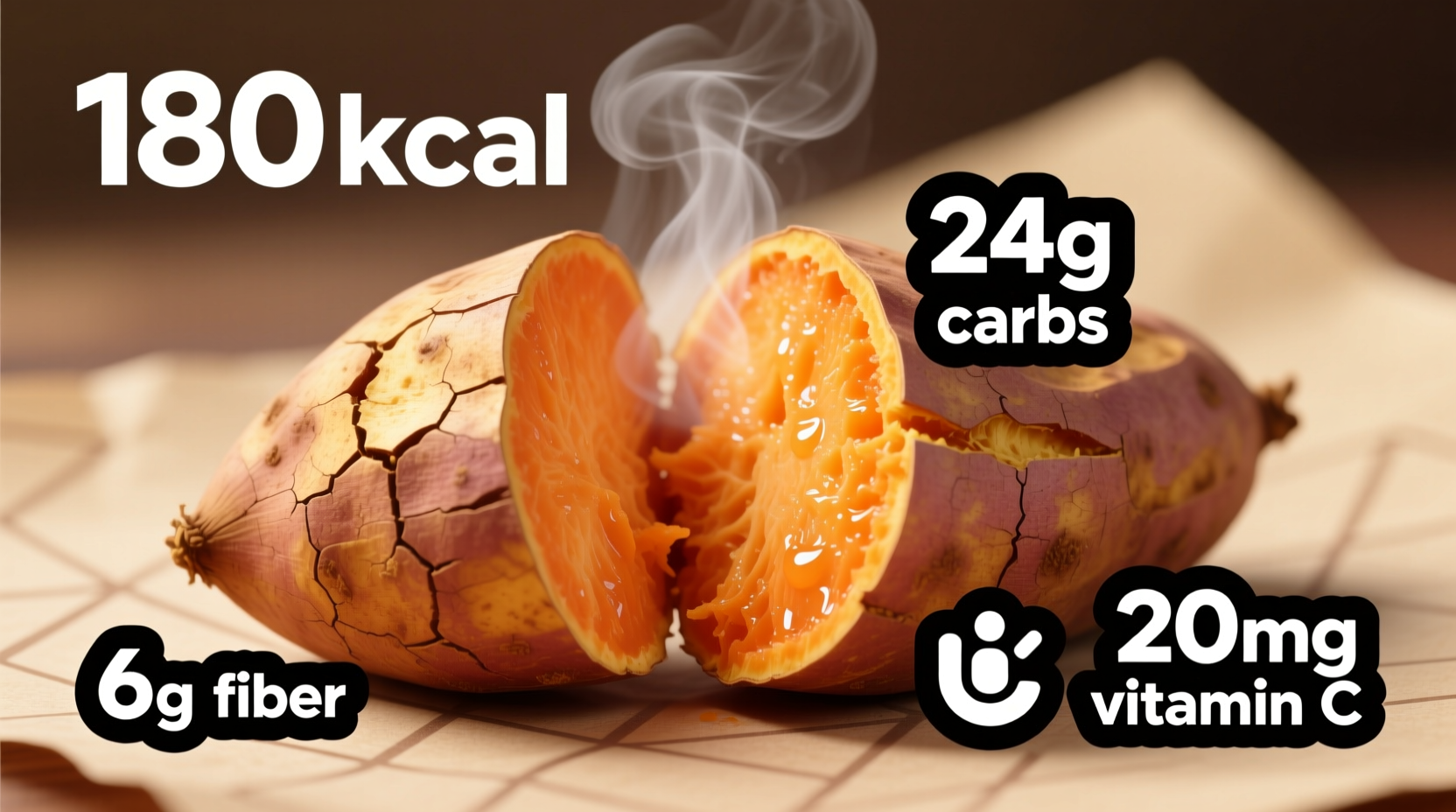
A medium-sized sweet potato (130g) contains approximately 103 calories when baked with skin. Raw sweet potatoes have slightly fewer calories at 86 per 100g, while boiled versions contain about 90 calories per 100g serving.
Why Sweet Potatoes Deserve a Spot in Your Balanced Diet
Understanding the nutritional profile of sweet potatoes helps you make informed dietary choices. Unlike simple calorie counters might suggest, these vibrant root vegetables offer exceptional nutritional density that extends far beyond their modest calorie count. Let's explore exactly what makes sweet potatoes a smart addition to your meal planning.
Sweet Potato Calorie Breakdown by Serving Size
Calorie content varies based on preparation method and serving size. Here's the precise nutritional data from the USDA FoodData Central database:
| Preparation Method | 100g Serving | Medium Potato (130g) | Large Potato (180g) |
|---|---|---|---|
| Raw | 86 calories | 112 calories | 155 calories |
| Boiled (with skin) | 90 calories | 117 calories | 162 calories |
| Baked (with skin) | 90 calories | 117 calories | 162 calories |
| Microwaved | 90 calories | 117 calories | 162 calories |
| Fried (as fries) | 320 calories | 416 calories | 576 calories |
Source: USDA FoodData Central, Release 16 (2023), https://fdc.nal.usda.gov/
How Cooking Methods Impact Calorie Density
The way you prepare sweet potatoes significantly affects their nutritional profile. When sweet potatoes bake or roast, water content decreases through evaporation, concentrating natural sugars and slightly increasing calories per gram. However, the total calorie count for the entire potato remains relatively stable.
Frying dramatically increases calorie content due to oil absorption. A baked sweet potato contains about 117 calories, while the same size prepared as fries jumps to over 400 calories. Steaming preserves more water-soluble nutrients like vitamin C compared to boiling, where some nutrients leach into the cooking water.

Sweet Potato vs. Regular Potato: Nutritional Comparison
While both are root vegetables, sweet potatoes and white potatoes differ significantly in their nutritional composition:
- Vitamin A: One medium sweet potato provides over 400% of your daily vitamin A needs, while white potatoes contain virtually none
- Glycemic Index: Sweet potatoes generally have a lower glycemic index (44-94 depending on cooking method) compared to white potatoes (58-111)
- Fiber Content: Sweet potatoes contain slightly more fiber (3.8g per medium potato) than white potatoes (3.0g)
- Vitamin C: White potatoes contain more vitamin C per serving than sweet potatoes
Beyond Calories: The Complete Nutritional Profile
A medium baked sweet potato delivers impressive nutritional benefits beyond its 103 calories:
- 438% of daily vitamin A (as beta-carotene)
- 37% of daily vitamin C
- 29% of daily manganese
- 16% of daily potassium
- 5g of dietary fiber (20% of daily needs)
- 2g of protein
- Negligible fat content (0.1g)
These nutrients work synergistically to support immune function, vision health, and digestive wellness. The vibrant orange color indicates high beta-carotene content, which converts to vitamin A in your body and acts as a powerful antioxidant.
Practical Tips for Incorporating Sweet Potatoes
Maximize the nutritional benefits while managing calorie intake with these evidence-based strategies:
- Keep the skin on: The skin contains additional fiber and nutrients. Just scrub thoroughly before cooking
- Choose baking or steaming: These methods preserve more nutrients than boiling
- Pair with healthy fats: Adding a small amount of olive oil or avocado enhances absorption of fat-soluble vitamins
- Monitor portion sizes: Stick to one medium sweet potato (about the size of your fist) for most meals
- Avoid sugary toppings: Skip marshmallows and brown sugar to keep your preparation healthy
When Sweet Potatoes Fit Your Dietary Goals
Sweet potatoes work well within various eating patterns when portion-controlled:
- Weight management: Their high fiber content promotes satiety, helping you feel full longer
- Diabetes management: The complex carbohydrates and fiber create a slower blood sugar rise than refined carbs
- Athletic performance: Provides sustained energy release before workouts and glycogen replenishment after
- General wellness: Rich in antioxidants that combat oxidative stress and inflammation
Registered dietitians often recommend sweet potatoes as a nutrient-dense carbohydrate source for balanced meal planning. The American Heart Association recognizes sweet potatoes as part of a heart-healthy diet due to their potassium content and absence of sodium and cholesterol.




 浙公网安备
33010002000092号
浙公网安备
33010002000092号 浙B2-20120091-4