
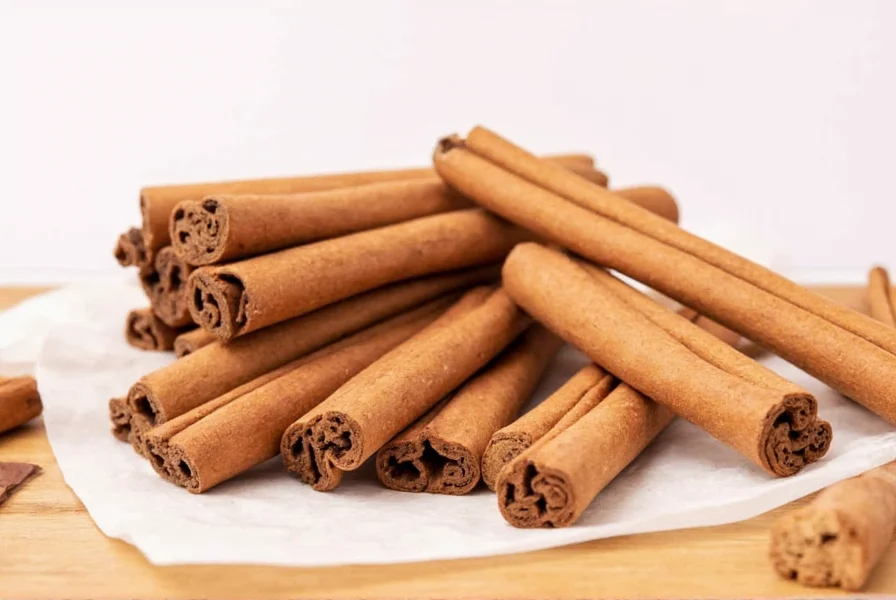
One teaspoon (approximately 2.6 grams) of ground cinnamon contains about 6 calories. This small amount of calories makes cinnamon an excellent spice choice for those monitoring their calorie intake while adding flavor to foods and beverages.
When exploring the calories in cinnamon, it's important to understand how this popular spice fits into a balanced diet. Cinnamon isn't just low in calories—it also offers several nutritional benefits that make it valuable beyond its minimal energy content. Let's examine the complete nutritional profile and practical applications of this versatile spice.
Nutritional Profile of Cinnamon per Teaspoon
Understanding the exact calorie count of cinnamon requires looking at standard serving sizes. According to the USDA FoodData Central database, a single teaspoon (2.6g) of ground cinnamon provides:
| Nutrient | Amount per Teaspoon (2.6g) |
|---|---|
| Calories | 6 |
| Total Fat | 0.03g |
| Carbohydrates | 2.1g |
| Dietary Fiber | 1.6g |
| Sugar | 0.1g |
| Protein | 0.1g |
| Manganese | 0.6mg (26% of Daily Value) |
Calorie Comparison: Ground Cinnamon vs. Cinnamon Sticks
Many people wonder if there's a difference in cinnamon stick calories versus ground cinnamon. The calorie content remains virtually identical when comparing equivalent weights. However, since cinnamon sticks are typically used differently (often for infusing flavor rather than consuming directly), the actual amount consumed differs:
- One cinnamon stick (approximately 3 inches long) contains about 8-10 calories
- Ground cinnamon is more concentrated in typical usage (1 teaspoon)
- The calories per gram of cinnamon remains consistent across forms at approximately 2.3 calories per gram
Health Benefits Beyond Calorie Count
While the low calorie cinnamon nutrition facts make it appealing for weight management, cinnamon offers additional health properties worth noting:
Cinnamon contains significant amounts of antioxidants, particularly polyphenols, which help combat oxidative stress. It also provides manganese, which supports bone health and metabolism. Research suggests cinnamon may help regulate blood sugar levels, making it potentially beneficial for those managing diabetes—though it should never replace medical treatment.
Practical Uses in Healthy Eating
Understanding how many calories in a teaspoon of cinnamon helps incorporate it strategically into meals:
- Add to morning oatmeal instead of sugar (adds flavor with minimal calories)
- Mix with Greek yogurt for a protein-rich, low-calorie dessert
- Use in savory dishes like roasted vegetables to reduce need for higher-calorie seasonings
- Enhance coffee or tea without adding sugar or cream
When considering cinnamon calories for weight loss, remember that while cinnamon itself is low-calorie, its real value comes from helping reduce consumption of higher-calorie sweeteners. A single teaspoon contains just 6 calories but can replace tablespoons of sugar (which contain about 49 calories per tablespoon).
Common Misconceptions About Cinnamon and Calories
Several myths persist about cinnamon nutritional value and calorie content:
- Myth: Cinnamon significantly boosts metabolism for weight loss
Fact: While some studies show minor metabolic effects, cinnamon alone won't cause weight loss - Myth: All cinnamon varieties have identical nutritional profiles
Fact: Cassia (common grocery store cinnamon) and Ceylon ("true" cinnamon) have slight nutritional differences - Myth: Cinnamon contains zero calories
Fact: All foods contain some calories; cinnamon is very low but not calorie-free
Comparing Cinnamon to Other Common Spices
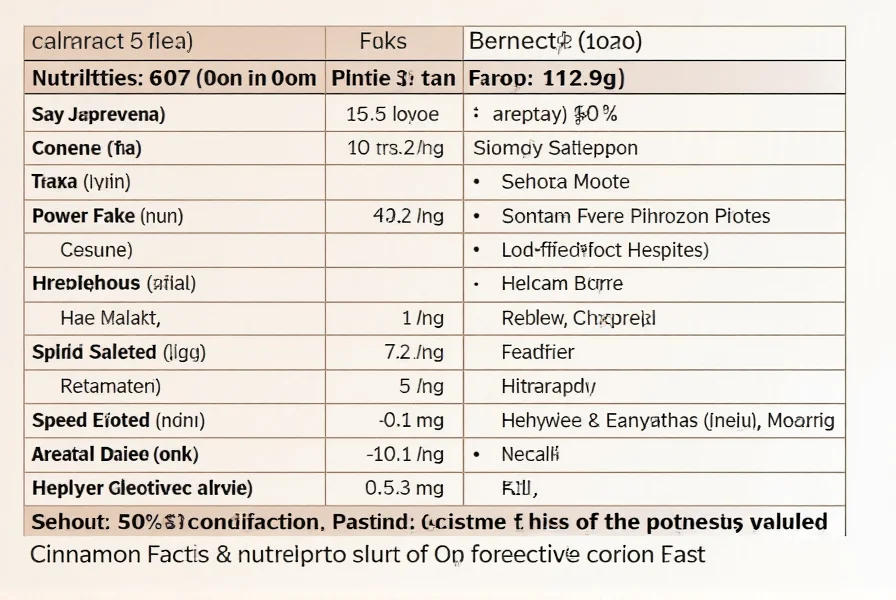
When evaluating calories in spices chart information, cinnamon compares favorably:
| Spice (per teaspoon) | Calories | Key Nutrients |
|---|---|---|
| Cinnamon | 6 | Manganese, fiber, antioxidants |
| Nutmeg | 12 | Manganese, copper, magnesium |
| Ginger | 4 | Manganese, magnesium, potassium |
| Cloves | 6 | Manganese, vitamin K, fiber |
| Turmeric | 9 | Manganese, iron, fiber |
All these spices offer minimal calories with significant flavor impact, making them excellent choices for calorie-conscious cooking. Among them, cinnamon calorie count remains competitive while providing distinctive flavor and potential health benefits.
Recommended Daily Intake
While considering cinnamon calories per serving, it's also important to note recommended consumption levels. The European Food Safety Authority suggests limiting Cassia cinnamon to no more than 1 teaspoon (2.6g) daily due to coumarin content. Ceylon cinnamon contains much less coumarin and can be consumed in slightly larger amounts.
For most people, incorporating 1-2 teaspoons of cinnamon daily provides flavor and potential benefits without exceeding safe limits. This amount contributes only 6-12 calories to your daily intake while potentially enhancing the nutritional value of your meals.
FAQs About Cinnamon Calories
How many calories are in a teaspoon of cinnamon?
One teaspoon (approximately 2.6 grams) of ground cinnamon contains about 6 calories. This small calorie count makes cinnamon an excellent choice for adding flavor without significantly impacting daily calorie intake.
Does cinnamon help with weight loss?
While cinnamon itself is very low in calories (6 calories per teaspoon), it doesn't directly cause weight loss. Its value comes from enhancing flavor in foods, potentially reducing the need for higher-calorie sweeteners like sugar. Some research suggests cinnamon may help regulate blood sugar, which could indirectly support weight management efforts.
Is there a difference in calories between cinnamon sticks and ground cinnamon?
The calorie content per gram is virtually identical between cinnamon sticks and ground cinnamon. However, typical usage differs - one cinnamon stick (about 3 inches) contains approximately 8-10 calories, while a teaspoon of ground cinnamon contains about 6 calories. The calories per gram of cinnamon remains consistent at approximately 2.3 calories per gram regardless of form.
Can I eat cinnamon on a calorie-restricted diet?
Yes, cinnamon is an excellent addition to calorie-restricted diets. With only 6 calories per teaspoon, it adds significant flavor without substantially increasing calorie intake. Its potential blood sugar regulating properties may also help with appetite control. Just be mindful of what you pair it with - cinnamon added to high-calorie foods won't magically make them low-calorie.
How does cinnamon compare to sugar in terms of calories?
Cinnamon is significantly lower in calories than sugar. One teaspoon of cinnamon contains about 6 calories, while one teaspoon of sugar contains approximately 16 calories. More importantly, a single teaspoon of cinnamon can often replace tablespoons of sugar in recipes, potentially saving hundreds of calories while still providing sweetness perception through its natural flavor compounds.




 浙公网安备
33010002000092号
浙公网安备
33010002000092号 浙B2-20120091-4