
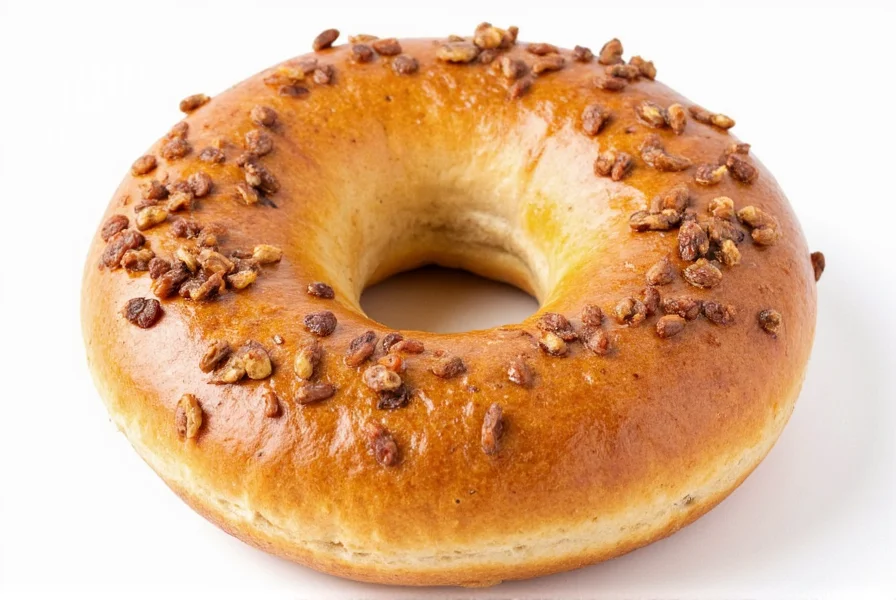
Understanding the exact calorie content of your favorite bakery items is essential for maintaining balanced nutrition. Cinnamon raisin bagels offer a sweet twist on the classic bagel but come with slightly higher calories than plain varieties due to added sugars from both the cinnamon swirl and dried fruit.
Nutritional Breakdown of a Standard Cinnamon Raisin Bagel
While calories provide a basic metric, examining the complete nutritional profile gives a more comprehensive understanding of what you're consuming. The following table shows typical nutritional values for a 4-ounce (113g) cinnamon raisin bagel:
| Nutrient | Amount | % Daily Value* |
|---|---|---|
| Calories | 330 | 17% |
| Total Fat | 1.5g | 2% |
| Saturated Fat | 0g | 0% |
| Trans Fat | 0g | 0% |
| Cholesterol | 0mg | 0% |
| Sodium | 500mg | 22% |
| Total Carbohydrates | 68g | 25% |
| Dietary Fiber | 3g | 11% |
| Sugars | 14g | - |
| Protein | 11g | 22% |
*Percent Daily Values are based on a 2,000 calorie diet. Your daily values may be higher or lower depending on your calorie needs.
Factors That Affect Calorie Count in Cinnamon Raisin Bagels
Several variables influence the final calorie count of your cinnamon raisin bagel:
- Size matters significantly - A small bagel (85g) might contain 260 calories, while an extra-large bagel (140g) can reach 450 calories
- Brand differences - Commercial bakery products vary in配方, with some using more sugar or larger portions
- Raisin concentration - Higher raisin content increases natural sugars and calories
- Cinnamon swirl composition - Some recipes use sugar-heavy cinnamon mixtures that boost calorie count
- Preparation method - Toasting doesn't change calories but affects perceived density
Comparing Cinnamon Raisin Bagels to Other Varieties
Understanding how cinnamon raisin bagels compare to other popular varieties helps make informed dietary choices:
| Bagel Type | Calories (4oz/113g) | Key Differences |
|---|---|---|
| Cinnamon Raisin | 330 | Higher sugar content from raisins and cinnamon swirl |
| Plain | 280 | Lower sugar, more basic carbohydrate profile |
| Whole Wheat | 270 | Higher fiber, slightly lower calories, more nutrients |
| Sesame | 310 | Added fat from seeds increases calories slightly |
| Everything | 320 | Seed mixture adds minimal calories but more fat |
| Blueberry | 340 | Similar to cinnamon raisin with comparable sugar content |
Health Considerations for Cinnamon Raisin Bagel Consumers
While cinnamon raisin bagels can fit into a balanced diet, certain health considerations deserve attention:
The 14 grams of sugar in a standard cinnamon raisin bagel represents about 28% of the American Heart Association's recommended daily limit for women (50g) and 20% for men (75g). Much of this sugar comes from added sweeteners in the cinnamon swirl rather than just the natural sugars in raisins.
For individuals monitoring blood sugar levels, the high carbohydrate content (68g) can cause significant glucose spikes. Pairing your bagel with protein sources like eggs or Greek yogurt helps moderate this effect.
Nutritionists often recommend choosing smaller portions or splitting a bagel to reduce calorie and carbohydrate intake while still enjoying the flavor. Many bakeries now offer "mini" or "thin" versions that contain approximately 160-180 calories per half-bagel.
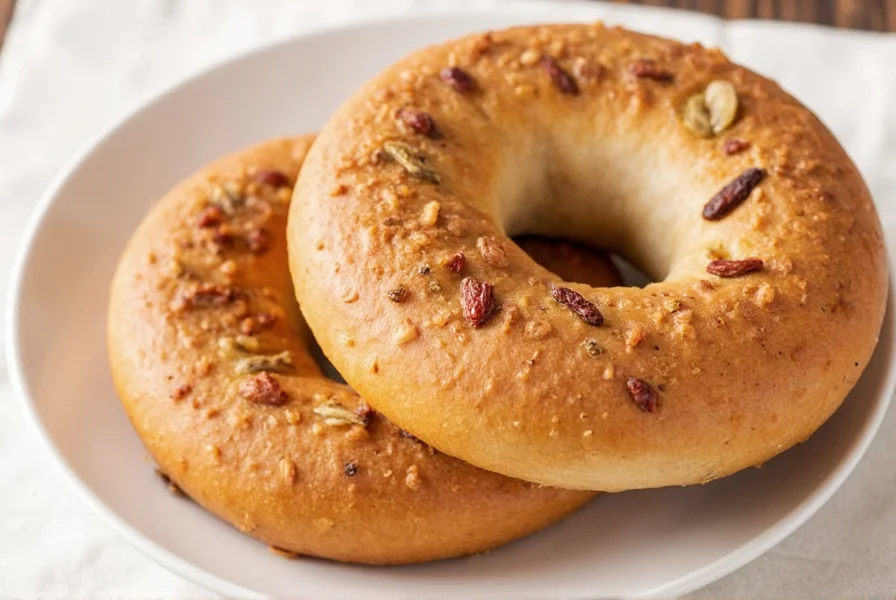
Practical Tips for Enjoying Cinnamon Raisin Bagels Mindfully
Follow these evidence-based strategies to incorporate cinnamon raisin bagels into a healthy eating pattern:
- Measure portions carefully - Use a food scale to verify you're eating a standard 4-ounce portion rather than oversized bakery servings
- Choose quality toppings - Skip high-calorie cream cheese (about 50 calories per tablespoon) in favor of avocado, nut butter, or light spreads
- Balance your meal - Pair half a bagel with protein and vegetables for a more nutritionally complete breakfast
- Check ingredient lists - Opt for brands with whole grains as the first ingredient and minimal added sugars
- Consider homemade options - Making your own allows control over sugar content and portion size
Calorie Information for Popular Commercial Brands
If you're purchasing from major bakery chains, here's how their cinnamon raisin bagels compare:
- Bruegger's - 330 calories for a regular bagel (116g)
- Panera Bread - 330 calories for an authentic regular bagel (113g)
- Starbucks - 320 calories for a classic cinnamon raisin bagel (105g)
- Dunkin' - 360 calories for a cinnamon raisin bagel (130g)
- Einstein Bros. - 340 calories for a cinnamon raisin bagel (120g)
Notice the variation between brands, primarily due to differences in size and sugar content. When tracking calories in a cinnamon raisin bagel from popular brands, always check the specific nutritional information as bakery portions frequently exceed standard serving sizes.
Creating Healthier Alternatives at Home
For those interested in reducing calories while maintaining flavor, homemade cinnamon raisin bagels offer customization opportunities:
Substitute half the all-purpose flour with whole wheat flour to increase fiber content. Reduce added sugar by 25% in the recipe while maintaining raisins for natural sweetness. Some bakers use cinnamon extract instead of sugar-heavy cinnamon mixtures to preserve flavor with fewer calories.
Homemade versions typically contain about 290-310 calories when prepared with these modifications, offering a 10-15% reduction compared to standard commercial varieties while providing more control over ingredients.
Frequently Asked Questions
How many calories are in a small cinnamon raisin bagel?
A small cinnamon raisin bagel (approximately 3 inches in diameter or 85g) typically contains 240-270 calories. This smaller portion provides a more moderate calorie option while still delivering the distinctive cinnamon and raisin flavor.
Are cinnamon raisin bagels higher in calories than plain bagels?
Yes, cinnamon raisin bagels generally contain 40-60 more calories than plain bagels of the same size. A standard plain bagel has about 270-290 calories, while a cinnamon raisin version typically ranges from 320-350 calories due to added sugars from both the cinnamon swirl and dried fruit.
Does toasting a cinnamon raisin bagel reduce its calorie content?
No, toasting does not change the calorie content of a cinnamon raisin bagel. While toasting removes moisture and makes the bagel feel lighter and crispier, the actual caloric value remains unchanged. The calorie count for a toasted cinnamon raisin bagel remains approximately 330 calories for a standard 4-ounce portion.
How does the sugar content in cinnamon raisin bagels affect the total calories?
The sugar content significantly impacts the calorie count in cinnamon raisin bagels. With approximately 14g of sugar per bagel (compared to 6g in plain varieties), the additional 8g of sugar contributes about 32 extra calories. Much of this sugar comes from added sweeteners in the cinnamon swirl rather than just the natural sugars in raisins.
What's the calorie difference between store-bought and homemade cinnamon raisin bagels?
Homemade cinnamon raisin bagels typically contain 290-310 calories compared to 320-350 calories in commercial varieties. This 10-15% reduction comes from controlling sugar content, using whole grains, and avoiding preservatives. When calculating calories in a homemade cinnamon raisin bagel, precise measurement of ingredients ensures accurate nutritional tracking.




 浙公网安备
33010002000092号
浙公网安备
33010002000092号 浙B2-20120091-4