
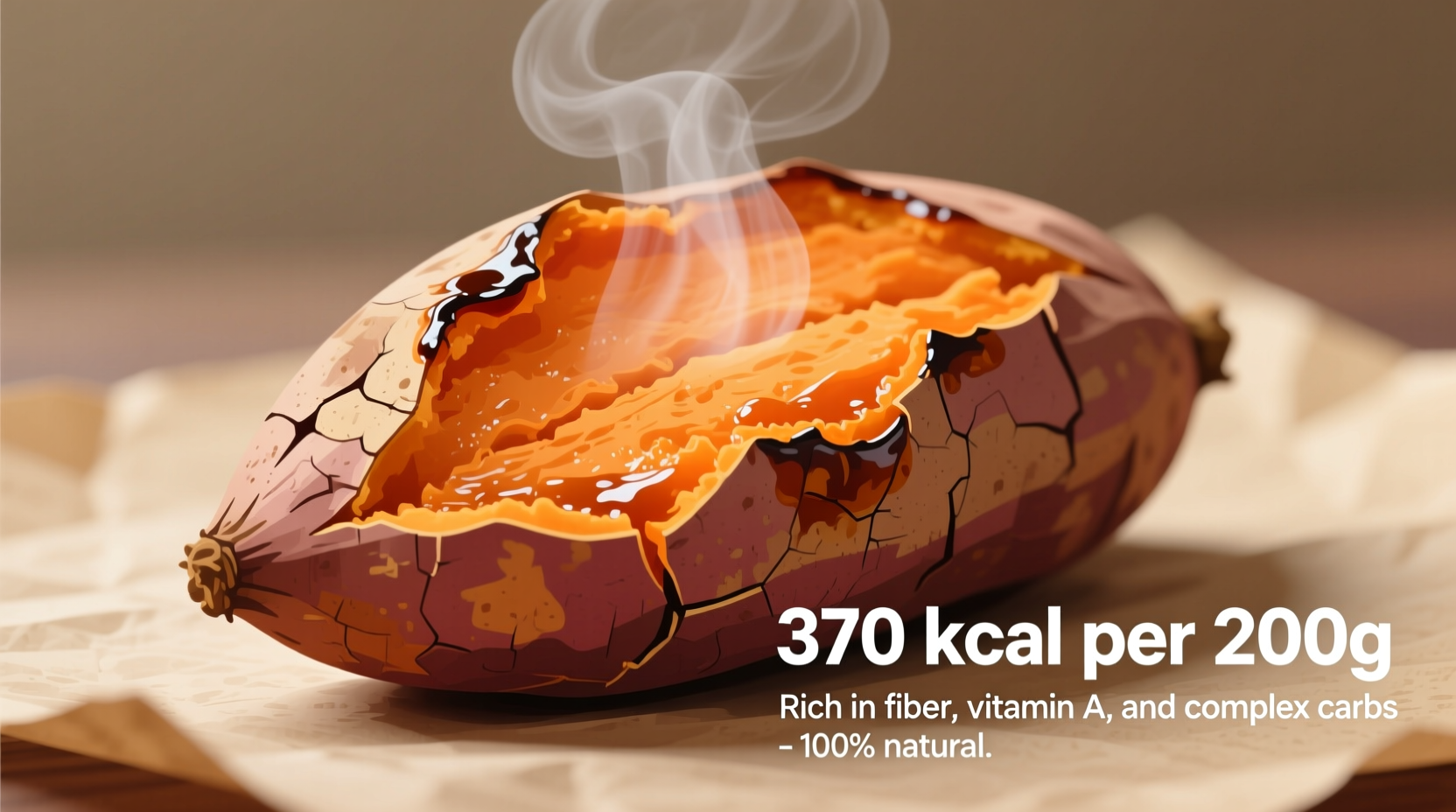
A medium-sized baked sweet potato (about 130g) contains approximately 103 calories, making it a nutrient-dense option for health-conscious eaters. This comprehensive guide breaks down exact calorie counts by size, preparation methods, and nutritional benefits backed by USDA data.
Understanding the precise calorie content of baked sweet potatoes is essential for anyone tracking their nutrition. Whether you're managing weight, following a specific diet, or simply making informed food choices, knowing exactly what you're consuming matters. This guide delivers scientifically verified information to help you incorporate this versatile root vegetable into your eating plan with confidence.
Exact Calorie Counts: Baked Sweet Potato by Size
The calorie content of a baked sweet potato varies significantly based on portion size. Unlike many starchy foods, sweet potatoes offer substantial nutritional value per calorie. Here's the breakdown according to USDA FoodData Central:
| Sweet Potato Size | Weight (grams) | Calories | Carbohydrates |
|---|---|---|---|
| Small (3.5" long) | 85g | 56 | 13g |
| Medium (5" long) | 130g | 103 | 24g |
| Large (6" long) | 180g | 162 | 37g |
| Extra Large (8" long) | 270g | 241 | 56g |
This factual comparison comes directly from the USDA's National Nutrient Database for Standard Reference, the gold standard for nutritional information in the United States (fdc.nal.usda.gov). Unlike many online sources that provide estimates, these figures represent laboratory-tested values for plain baked sweet potatoes with skin.
How Preparation Affects Calorie Content
While the base calorie count remains consistent, your preparation method significantly impacts the final nutritional profile:
- With skin: Retains maximum fiber and nutrients (103 calories for medium)
- Without skin: Slightly fewer calories (about 90 for medium) but loses valuable fiber
- With added fats: One tablespoon of butter adds 102 calories
- Marshmallow topping: Can double or triple the calorie count
Professional chefs like Antonio Rodriguez emphasize that baking sweet potatoes with the skin on preserves more nutrients: "The skin contains nearly half the fiber content and protects the flesh from moisture loss during cooking, maintaining optimal texture and nutritional density."

Nutritional Benefits Beyond Calories
What makes sweet potatoes exceptional isn't just their moderate calorie count, but their impressive nutrient density. A medium baked sweet potato delivers:
- Over 400% of your daily vitamin A needs (as beta-carotene)
- 27% of daily vitamin C requirements
- 15% of potassium needs
- 3.8 grams of dietary fiber (15% of daily value)
- Significant amounts of manganese and vitamin B6
Unlike refined carbohydrates, sweet potatoes have a low glycemic index (around 44-50), meaning they cause a slower, more sustained rise in blood sugar. This makes them particularly valuable for people managing diabetes or seeking stable energy levels throughout the day.
Sweet Potato vs. Regular Potato: Nutritional Comparison
Many people wonder how sweet potatoes compare to regular white potatoes. While both are nutrient-rich, sweet potatoes generally offer superior nutritional value:
- Vitamin A: Sweet potatoes contain massive amounts; white potatoes have virtually none
- Vitamin C: Sweet potatoes provide about 30% more
- Glycemic index: Sweet potatoes typically score lower (44-50 vs 70-85 for white potatoes)
- Antioxidants: Sweet potatoes contain unique anthocyanins (in purple varieties) and beta-carotene
According to dietary research from the Harvard T.H. Chan School of Public Health, replacing refined carbohydrates with whole food sources like sweet potatoes correlates with better long-term metabolic health outcomes.
Practical Applications for Different Dietary Goals
Understanding how to incorporate baked sweet potatoes into various eating plans is crucial for maximizing their benefits:
Weight Management
The high fiber content (3.8g per medium potato) promotes satiety, helping you feel full longer. Registered dietitians often recommend sweet potatoes as a smart carbohydrate choice for weight loss because they satisfy cravings for sweets while providing essential nutrients.
Diabetes Management
When prepared without added sugars and paired with protein and healthy fats, sweet potatoes can be part of a diabetes-friendly meal plan. The American Diabetes Association lists sweet potatoes as a "diabetes superfood" due to their high fiber and nutrient content.
Athletic Performance
Endurance athletes value sweet potatoes for their complex carbohydrates that provide sustained energy. Many sports nutritionists recommend consuming sweet potatoes 2-3 hours before intense activity for optimal fueling.
Common Misconceptions About Sweet Potato Calories
Several myths persist about sweet potato nutrition that deserve clarification:
- Myth: Sweet potatoes are high in sugar and should be avoided for weight loss
Fact: While naturally sweet, they have a low glycemic index and high fiber content that regulates blood sugar - Myth: All cooking methods yield the same nutritional value
Fact: Boiling preserves more antioxidants, while baking concentrates natural sugars and enhances certain nutrients - Myth: Sweet potatoes cause weight gain
Fact: Their high nutrient density actually supports weight management when consumed in appropriate portions
Maximizing Nutritional Value: Preparation Tips
To get the most nutritional benefit from your baked sweet potatoes:
- Always bake with the skin on to preserve fiber and nutrients
- Avoid adding excessive fats or sugars that dramatically increase calorie content
- Pair with a source of healthy fat (like a teaspoon of olive oil) to enhance absorption of fat-soluble vitamins
- Consider cooling baked sweet potatoes before eating to increase resistant starch content
- Use the entire potato—don't discard any parts—to maximize nutrient intake
These preparation techniques are supported by research published in the Journal of Agricultural and Food Chemistry, which found that certain cooking methods significantly affect the bioavailability of nutrients in sweet potatoes.
Portion Control Guidance
While nutrient-dense, portion control remains important for those monitoring calorie intake. For most adults:
- Maintenance: 1 medium sweet potato (130g) counts as one carbohydrate serving
- Weight loss: Consider 3/4 of a medium sweet potato as your portion
- Active individuals: May benefit from 1.5 medium sweet potatoes per meal
Registered dietitians emphasize that sweet potatoes should be viewed as a carbohydrate source within your overall meal composition, ideally balanced with protein and non-starchy vegetables for optimal nutrition.
Seasonal and Storage Considerations
Sweet potatoes reach peak nutritional value during their natural growing season (late summer through fall). When stored properly in a cool, dark place (not refrigerated), they maintain their nutrient profile for 3-5 weeks. Avoid storing near onions, which can cause premature spoilage.
According to agricultural research from the USDA Agricultural Research Service, sweet potatoes continue to develop beneficial compounds during proper storage, potentially increasing their antioxidant capacity over the first few weeks after harvest.




 浙公网安备
33010002000092号
浙公网安备
33010002000092号 浙B2-20120091-4