
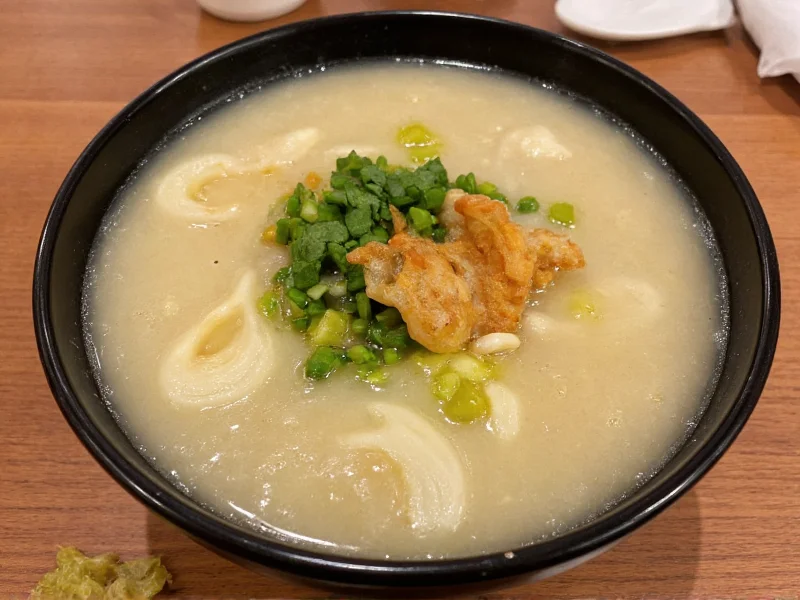
Understanding the calorie content of miso soup is essential for those tracking their nutritional intake or incorporating this Japanese staple into a balanced diet. This comprehensive guide provides accurate information about miso soup calories, nutritional components, and how preparation methods affect the final count.
Factors That Determine Miso Soup Calorie Count
The calorie content in miso soup isn't fixed—it varies based on several key factors. Knowing these variables helps you estimate calories more accurately whether you're preparing it at home or ordering at a restaurant.
Miso Paste Quantity and Type
The primary determinant of calories in miso soup is the amount and type of miso paste used. Different miso varieties have varying calorie densities:
| Miso Type | Calories per Tablespoon | Typical Serving in Soup | Calories per Serving |
|---|---|---|---|
| White (Shiro) Miso | 30-35 | 1-2 tbsp | 30-70 |
| Yellow Miso | 35-40 | 1-2 tbsp | 35-80 |
| Red (Aka) Miso | 40-45 | 1-2 tbsp | 40-90 |
| Barley Miso | 45-50 | 1-2 tbsp | 45-100 |
Most traditional recipes use 1-2 tablespoons of miso paste per cup of dashi broth. Using less paste creates a lighter, lower-calorie version while maintaining authentic flavor.
Additional Ingredients and Their Caloric Impact
While basic miso soup contains only dashi and miso paste, many variations include additional components that affect the total calorie count:
- Tofu: One ounce (28g) of silken tofu adds approximately 20-25 calories
- Seaweed (wakame): A small amount (5g) contributes about 2-3 calories
- Green onions: Negligible calories (about 1-2 calories per tablespoon)
- Mushrooms: 5-10 calories per ounce depending on type
- Vegetables: Root vegetables like daikon add minimal calories (5-10 per ounce)
When exploring calories in miso soup with tofu, a standard serving with 2 ounces of tofu typically ranges from 55-80 calories. The addition of multiple ingredients can push restaurant-style miso soup toward the higher end of the calorie spectrum.
Nutritional Profile Beyond Calories
Miso soup offers more than just low-calorie content—it delivers valuable nutrients that contribute to overall health. Understanding the complete nutritional picture helps evaluate its role in a balanced diet.
| Nutrient | Amount per Cup | Health Benefits |
|---|---|---|
| Protein | 2-4g | Supports muscle maintenance and satiety |
| Sodium | 600-900mg | Natural electrolyte (monitor if on low-sodium diet) |
| Probiotics | Varies | Supports gut health and digestion |
| Vitamin K | 15-25mcg | Essential for blood clotting and bone health |
| Manganese | 0.2-0.3mg | Supports metabolism and antioxidant function |
The fermentation process in miso creates beneficial bacteria that support digestive health. This makes miso soup valuable beyond its miso soup nutrition facts for calories alone. The probiotic content varies based on preparation temperature—adding miso paste after removing broth from heat preserves more live cultures.
Comparing Miso Soup to Other Popular Soups
When evaluating how many calories in miso soup compared to alternatives, it generally ranks among the lowest-calorie soup options:
| Soup Type | Calories per Cup | Protein Content | Notable Characteristics |
|---|---|---|---|
| Basic Miso Soup | 35-60 | 2-4g | Low calorie, probiotic-rich, moderate sodium |
| Vegetable Soup | 70-100 | 2-3g | Higher fiber, variable sodium |
| Chicken Noodle | 90-150 | 6-10g | Higher protein, often high sodium |
| Cream of Mushroom | 150-250 | 3-5g | High in fat, low in probiotics |
| Tomato Basil | 100-180 | 2-4g | Often contains added sugar and oil |
This comparison shows why miso soup is frequently recommended as a low calorie miso soup recipe option for those monitoring their caloric intake. Its combination of modest calories with probiotic benefits makes it nutritionally distinctive among soup varieties.
Homemade vs. Restaurant Miso Soup: Calorie Differences
There's often a significant difference between homemade miso soup calories and restaurant versions. Understanding these variations helps make informed choices:
- Homemade basic version: 35-50 calories per cup (dashi + 1 tbsp miso paste)
- Homemade with tofu: 55-75 calories per cup
- Chain restaurant basic: 60-85 calories per cup (often more miso paste)
- Chain restaurant deluxe: 80-120 calories per cup (extra ingredients)
- Japanese restaurant: 50-90 calories per cup (varies by establishment)
Restaurant versions frequently contain more miso paste than traditional home preparations, increasing both flavor intensity and calorie count. Some establishments also add sugar or additional oils that contribute to higher restaurant miso soup calorie count.
Incorporating Miso Soup into Dietary Plans
Miso soup's modest calorie profile makes it adaptable to various dietary approaches. Here's how it fits into common eating patterns:
Weight Management Strategies
For those exploring miso soup for weight loss, this broth-based soup offers several advantages:
- Low energy density provides volume with minimal calories
- Protein content promotes satiety and reduces subsequent food intake
- Warm temperature may increase feelings of fullness
- Simple preparation encourages home cooking over processed alternatives
Studies suggest that consuming broth-based soups before meals can reduce total calorie intake by 20% during that meal. When prepared as a low calorie miso soup recipe with minimal paste and added vegetables, it serves as an excellent starter for weight-conscious eaters.
Special Dietary Considerations
Miso soup accommodates various dietary needs with minor modifications:
- Low-sodium diets: Use reduced-sodium miso or decrease quantity (note: affects flavor)
- Vegan diets: Ensure dashi is kelp-based rather than bonito-based
- Gluten-free diets: Select miso made from rice or chickpeas rather than barley
- Keto diets: Limit to basic version without added sweet vegetables
For those specifically researching miso soup for weight loss, the key is maintaining the traditional preparation method rather than adding high-calorie ingredients that transform it into a heartier meal.
Creating Your Own Calorie-Controlled Miso Soup
Preparing miso soup at home gives you complete control over the calorie content. Follow these guidelines for an authentic yet calorie-conscious version:
- Start with high-quality dashi broth (kelp-based for vegan option)
- Use 1 tablespoon of miso paste per cup of broth for lower calorie count
- Add 1-2 ounces of silken tofu per serving for protein without excessive calories
- Incorporate minimal seaweed (1 teaspoon dried wakame rehydrates to adequate amount)
- Finish with a small amount of green onions for flavor without significant calories
- Never boil miso paste—remove broth from heat before stirring in paste to preserve probiotics
This approach yields approximately 45-55 calories per cup while maintaining authentic flavor and nutritional benefits. For those tracking macros precisely, weighing ingredients provides the most accurate miso soup nutrition facts for your specific preparation.
Common Misconceptions About Miso Soup Calories
Several myths persist about miso soup's calorie content that deserve clarification:
- Misconception: All miso soup is extremely low calorie
Reality: While basic versions are low calorie, additions can significantly increase the count - Misconception: Miso soup contains no protein
Reality: Traditional miso soup provides 2-4g of protein per cup from the fermented soybeans - Misconception: The sodium content makes it unhealthy regardless of calories
Reality: Sodium serves as a natural preservative in fermentation; moderate consumption fits within healthy dietary patterns for most people - Misconception: Instant miso soup packets have the same calories as homemade
Reality: Many instant versions contain added sugars, oils, and preservatives that increase calorie count by 20-50%
Understanding these distinctions helps create realistic expectations about calories for miso soup in various contexts.




 浙公网安备
33010002000092号
浙公网安备
33010002000092号 浙B2-20120091-4